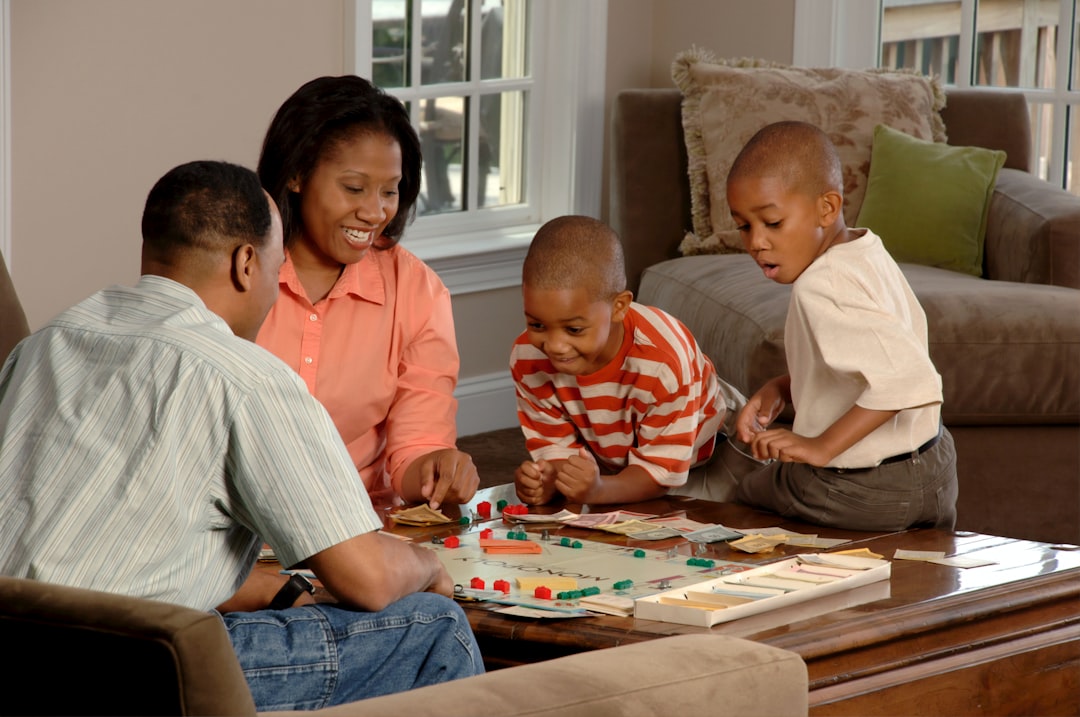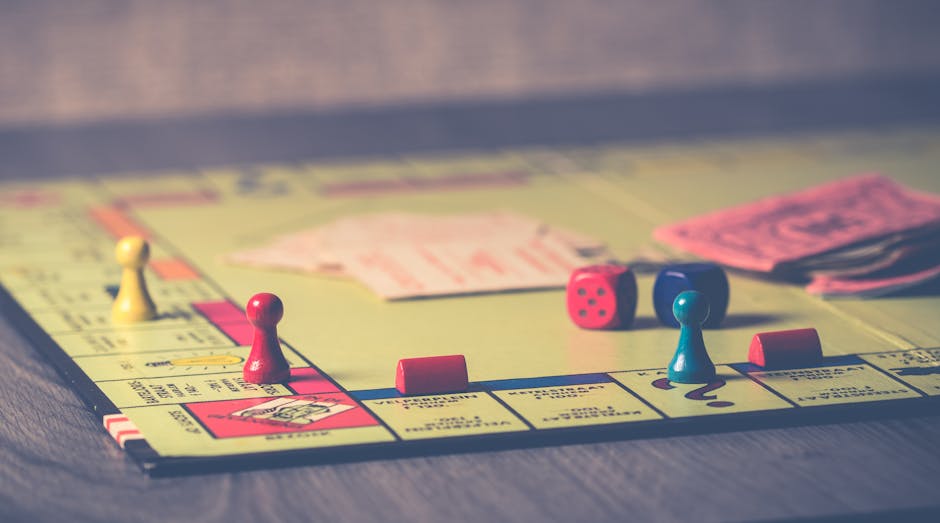
Close-up of Scrabble tiles scattered on the board, capturing leisure and word play.
Academy

How to Host the Perfect Strategic Game Night

Transform your game nights from chaotic to captivating with proven strategies for planning, hosting, and facilitating strategic board game sessions that everyone enjoys.

23 min read
#game night planning#board game hosting tips#family game night ideas#strategic game session#game night organization

How to Host the Perfect Strategic Game Night

My first attempt at hosting game night was a disaster. Seven friends crammed into my flat, three different games going simultaneously (nobody could agree), pizza grease on card sleeves, one player checking their phone constantly, another arguing about rules while everyone else sat bored. By 9 PM, half the group had left, and I'd vowed never to host again.

Fast forward five years: our monthly game nights regularly draw 12-15 people who eagerly RSVP, stay engaged for 4+ hours, and ask when the next session is scheduled. Players bring friends. We've got a waiting list.

What changed wasn't my game collection or living space—it was understanding that hosting great game nights is a learnable skill. Like any skill, it has specific techniques, common mistakes, and best practices. Master these, and you transform casual gaming into memorable experiences people genuinely look forward to.

This guide distills lessons from hundreds of game nights, interviews with experienced hosts, and research on group dynamics and facilitation. Whether you're planning family game nights, friends' gatherings, or educational sessions, these principles create engaging experiences.

TL;DR Key Takeaways:

  • Successful game nights require intentional planning, not just "let's play games"
  • Group composition and game selection matter more than game collection size
  • The host's job is facilitating engagement, not just providing space and games
  • Small logistics (seating, lighting, refreshments, timing) have outsized impact
  • Post-game socializing matters as much as gameplay itself

Table of Contents

  1. Planning Phase: Setting Your Game Night Up for Success
  2. Curating the Perfect Guest List
  3. Strategic Game Selection
  4. Creating the Optimal Gaming Environment
  5. The Art of Rules Teaching
  6. Facilitation Techniques During Gameplay
  7. Food and Drink Strategy
  8. Handling Common Challenges
  9. Creating Traditions and Rituals
  10. The Post-Game Wind-Down

Planning Phase: Setting Your Game Night Up for Success

Great game nights start days before anyone arrives. The planning phase determines whether your evening flows smoothly or becomes chaotic.

Setting Clear Expectations

The #1 game night killer is mismatched expectations. Some attendees expect light, casual fun. Others want intense strategic competition. One person thinks it's a social event with incidental games; another believes socializing is just filler between serious gaming.

Solution: Communicate clearly when inviting people.

Vague invitation: "Come over for game night Saturday!"

Clear invitation: "Strategic game night Saturday, 6 PM-10 PM. We'll play 1-2 heavier strategy games (60-90 min each) with breaks for food and chat. Competitive but friendly atmosphere. Experience with strategy games helpful but not required—I'll teach rules."

This specificity helps the right people say yes and the wrong people politely decline. Better to have 4 enthusiastic attendees than 8 people with conflicting expectations.

Timing Considerations

| Timing Decision | Considerations | Recommendation | |----------------|----------------|----------------| | Day of week | Weekend vs weekday affects energy levels, end time flexibility | Friday/Saturday for longer sessions; Wednesday for shorter, regular events | | Start time | Too early and people are rushing from work/activities; too late and energy lags | 6-7 PM allows dinner transition; 7-8 PM for pure gaming focus | | Duration | Open-ended vs defined endpoint affects planning and energy management | Set clear end time (respects commitments) but be flexible if energy is high | | Frequency | One-off vs regular series affects commitment and group dynamics | Regular monthly > sporadic invitations for building community |

Our gaming group settled on "First Friday of each month, 6:30 PM-10:30 PM" after trying various schedules. The predictability helps people plan around it, and the monthly cadence maintains momentum without being overwhelming.

Pre-Game Preparation Checklist

One week before:

  • [ ] Confirm RSVPs and final headcount
  • [ ] Select 2-3 game options based on confirmed attendees
  • [ ] Review rules for selected games (refresh memory)
  • [ ] Plan food/drink approach
  • [ ] Identify any new players needing extra rules support

Day before:

  • [ ] Prepare gaming space (clear tables, arrange seating)
  • [ ] Test lighting and ambiance
  • [ ] Prepare any food elements possible
  • [ ] Set out games to ensure nothing is missing pieces

Day of (before arrival):

  • [ ] Final space preparation
  • [ ] Set out snacks and drinks
  • [ ] Have rules reference sheets ready
  • [ ] Queue background music if using
  • [ ] Prepare introduction/ice-breaker if new people attending

This might seem over-planned, but the preparation creates smooth flow. When the doorbell rings, you're ready to welcome people, not frantically searching for missing game components.

Curating the Perfect Guest List

Group composition dramatically affects game night success. The right mix of people creates chemistry; the wrong mix creates awkwardness.

Optimal Group Size

4-6 people: Sweet spot for most strategic games

  • Most games designed for this range
  • Enough for interesting dynamics, not so many that downtime becomes tedious
  • Conversation manageable
  • Can run single game with everyone participating

7-9 people: Requires more facilitation

  • Likely need to split into groups or choose games supporting larger counts
  • More complex logistics but can work well
  • Host must actively manage to prevent fragmentation

10+ people: Plan for multiple simultaneous games

  • Definitely splitting into groups
  • Need multiple game-savvy people who can facilitate their tables
  • Can be excellent with proper structure
  • Requires larger space

[EXPERT QUOTE PLACEHOLDER: Jeremy Thompson, Board Game Café Owner, on optimal group dynamics for strategic gaming]

Mixing Experience Levels

The trickiest balance: experienced strategic gamers vs newcomers.

All experienced: Games can be complex, play moves quickly, depth of strategy high. Risk: Can become insular or intimidating to potential new members.

All newcomers: Start with accessible games, more teaching, slower pace. Risk: May not satisfy those wanting deeper strategic experiences.

Mixed experience (recommended): Experienced players welcome newcomers, depth gradually increases. Key: Experienced players must genuinely enjoy teaching and stay patient.

Red flag personality types to limit:

  • The Phone Scroller (constantly distracted, slows game)
  • The Rules Lawyer (argues minutiae endlessly)
  • The Sore Loser (sulks or gets angry when behind)
  • The Poor Sport Winner (gloats excessively)
  • The Table Talker (talks during others' turns about non-game topics)

One of each is manageable. Multiple creates toxic dynamics. Sometimes you need to have difficult conversations: "Hey, I love having you, but the constant phone checking disrupts flow. Could you commit to staying present during games?"

Creating Psychological Safety

For game nights to thrive, attendees need to feel safe trying new games, making mistakes, losing gracefully, and asking questions.

Host behaviors that create safety:

  • Normalizing mistakes ("I always forget that rule too")
  • Celebrating clever plays from all players, not just winners
  • Gently correcting rules errors without making players feel stupid
  • Being willing to lose yourself (players mirror the host's attitude)
  • Explicitly stating "This is a friendly competitive space—we play to win but stay kind"

Behaviors that destroy safety:

  • Mocking mistakes or poor strategic decisions
  • Excessive celebration when less experienced players fail
  • Impatience during rules questions
  • Allowing one player to dominate or bully others
  • Treating winning as the only thing that matters

Strategic Game Selection

Choosing the right game for the evening is both art and science. A perfectly-selected game creates magic; a poor choice kills energy.

The 3-Factor Selection Framework

Factor 1: Player Count Optimization Choose games designed for your exact headcount. A game that "supports" 6 players but clearly plays better at 4 will feel off.

Factor 2: Complexity Calibration Match game complexity to the least experienced player present (for inclusive sessions) or to average experience (for regular groups with established expectations).

Factor 3: Time Management Estimate realistic play time (usually 1.5× box estimate for first-timers) and ensure it fits your available time with buffer.

The Three-Game Strategy

For 4-hour game nights, I use this structure:

Game 1: The Warm-Up (30-45 min)

  • Light-to-medium complexity
  • Quick to teach
  • Gets everyone engaged without cognitive overload
  • Examples: Simpler auction games, light card games, accessible strategy games

Game 2: The Main Event (90-120 min)

  • The strategic centerpiece
  • More complex, deeper gameplay
  • Where you spend the bulk of time
  • Examples: Economic strategy games, resource management games like Smoothie Wars, area control games

Game 3: The Wind-Down (Optional, 30-45 min)

  • Only if energy remains high
  • Light, often more social
  • Can be party-game-adjacent while maintaining strategic elements
  • Players can opt out without feeling they're missing the main event

This structure maintains energy arc—builds to peak, then eases down. Starting with the heaviest game often backfires (people aren't warmed up); ending with it leaves everyone exhausted.

Having a Plan B

Always have a backup game ready. Sometimes your planned game won't work:

  • Someone's running late ("Let's start with something shorter")
  • Energy is different than expected ("This group wants something lighter/heavier")
  • Last-minute RSVP changes player count

Keep a flex game that works across player counts and complexity levels easily accessible.

Creating the Optimal Gaming Environment

Physical environment profoundly affects experience. Small adjustments yield significant engagement improvements.

Table and Seating Configuration

Table size matters:

  • Too small: Cramped, game components uncomfortable
  • Too large: Players separated, hard to see distant sections
  • Just right: Everyone reaches all components, still has elbow room

For most strategic games with 4-6 players, a table roughly 120-150cm × 90-120cm works well. Kitchen tables often work; coffee tables usually don't (too low, creates poor sightlines).

Seating considerations:

  • Mix social groups (don't let couples/friends cluster exclusively)
  • Consider game-specific factors (some positions have advantages)
  • Ensure everyone has stable, comfortable seating
  • Avoid significant height differences (awkward for gameplay)

Lighting

Lighting is criminally overlooked. Poor lighting creates eye strain, makes game components hard to read, and dampens mood.

Optimal lighting setup:

  • Primary: Bright overhead light focused on game table (you need to read card text)
  • Secondary: Softer ambient lighting in surrounding area (for atmosphere)
  • Avoid: Harsh fluorescent lighting (clinical, uncomfortable) or too-dim ambient-only (causes eye strain)

I installed a dimmer on my dining room overhead light. During gameplay, it's at 80-90% (bright enough to read easily). During breaks, it drops to 40-50% for more relaxed atmosphere.

Climate Control

Temperature affects cognition and comfort. Too cold, people are distracted and uncomfortable. Too warm, they get drowsy.

Target: Slightly cool (18-20°C / 64-68°F) People generate heat during the evening. Start slightly cool; body heat and activity will warm the space.

Sound Management

Background music: Controversial topic. Some hosts swear by it; others avoid it.

My approach: Very quiet instrumental music during setup and breaks. Silence during gameplay.

Reasoning: Strategic games require concentration. Background music can be distracting, especially to players with attention differences. During social breaks, light music fills awkward silences and adds energy.

If you do use music:

  • Instrumental only (lyrics distract)
  • Quiet enough to hear whispers
  • Consistent volume (avoid dynamic range)
  • Themed to game if possible (thematic immersion)

Minimizing Distractions

  • Pets: Manage them. A curious cat knocking pieces off the table derails games. Confine pets or ensure they're calm during play.
  • Phones: Consider a "phone basket" approach—everyone sets phones aside during gameplay. Check during breaks.
  • External noise: Close windows if street noise is significant. Inform housemates that you need relative quiet.
  • Visual clutter: Clear space around gaming table. Visual noise is cognitive noise.

The Art of Rules Teaching

How you teach rules determines whether players engage enthusiastically or feel confused and frustrated. Rules teaching is a specific skill.

The 3-Phase Teaching Approach

Phase 1: The Thematic Hook (1-2 minutes) Give players a thematic frame for the mechanics.

"In Smoothie Wars, you're competing smoothie vendors on a tropical island. Each day (turn), you'll buy fruit, choose a selling location, and make sales. Your goal is ending the week with the most money."

This creates mental scaffolding. Now mechanics make sense as "how you do that" rather than arbitrary rules.

Phase 2: Core Loop Explanation (3-5 minutes) Explain what players actually do on their turn, in order.

"Each turn has three steps: First, you buy fruit with your cash. Second, you choose where to sell. Third, you resolve sales based on customer traffic at your location. Then the next player goes."

Focus on structure. Details come later.

Phase 3: Detailed Mechanics (5-10 minutes) Now elaborate on each element, demonstrating with components.

Show, don't just tell. Use actual game pieces to demonstrate. "So when you're buying fruit, here's how pricing works... [demonstrates with cards and money]"

Key Rules Teaching Principles

Teach the minimum to start playing: Don't front-load every rule. Teach enough to begin, then introduce edge cases as they arise.

"We'll encounter some special cards later. When we do, I'll explain them. For now, focus on the basic turn structure."

Use player aids: Quick reference cards showing turn structure or key rules reduce cognitive load. Create simple cheat sheets if games don't include them.

Normalize questions: "I've played this dozens of times and still check certain rules. Please ask whenever anything's unclear."

Teach at the table: Don't gather everyone in the living room for a 20-minute rules lecture, then move to the table. Teach at the gaming table with components visible.

[EXPERT QUOTE PLACEHOLDER: Quinns Smith, Game Rules Educator and Reviewer, on effective rules teaching techniques]

The Open First Turn

For complex games, consider playing one "open" turn before starting properly:

"Let's do a practice turn with all hands visible and discuss decisions together. This doesn't count—we're just learning the flow."

This reduces first-turn paralysis and helps players understand strategic decision-making before real stakes (even game stakes) begin.

Facilitation Techniques During Gameplay

The host's job doesn't end when games begin. Active facilitation maintains engagement and smooth flow.

Managing Pace

Analysis paralysis: When someone's taking excessive time deciding, use gentle prompts.

"Take your time, but remember you can't predict everything—often good enough beats perfect."

Or implement optional timers for notoriously slow players (communicate this kindly beforehand).

Distracted players: When it's someone's turn but they're not paying attention:

"Sarah, you're up. While you decide, James, you're on deck—start thinking about your turn."

This keeps everyone mentally engaged rather than checking out between turns.

Reading the Room

Watch for energy shifts:

Flagging energy: Time for a break, snacks, or wrapping up current game Rising frustration: Someone's struggling—offer help or rules clarification Disengagement: A player has checked out—investigate why (too complex? feeling behind?) Excessive competitiveness: Tensions rising—inject humor, remind everyone it's friendly

The Strategic Break

Don't wait for energy to crash. Proactively schedule breaks:

  • After rules teaching, before starting
  • Midway through longer games
  • Between games

"Let's take 10 minutes—grab snacks, use the loo, stretch. We'll resume at 8:15."

Breaks refresh concentration and provide social time for the interaction-focused attendees.

Handling Rules Disputes

Disagreements about rules will happen. Have a protocol:

  1. Check rulebook quickly (have it accessible)
  2. If unclear, search online (most games have official FAQs)
  3. If still unclear, make a ruling for this game and note to research properly later
  4. Keep it brief—don't let rules debates consume 15 minutes

"We'll play it this way tonight. I'll check the official ruling afterward and we'll know for next time."

Food and Drink Strategy

Food and drink choices dramatically affect gameplay quality. Grease-stained cards and drink spills are game night killers.

The Cardinal Rules

Rule 1: Minimal mess potential Rule 2: One-handed eating Rule 3: Doesn't require constant attention Rule 4: Doesn't create greasy fingers

Optimal Game Night Foods

Excellent choices:

  • Vegetable sticks with dips (in small individual cups)
  • Cheese and crackers (pre-cut)
  • Grapes, berries, orange segments
  • Pretzels and dry snacks
  • Sandwiches cut into quarters

Acceptable with precautions:

  • Pizza (provide plentiful napkins, encourage eating during breaks)
  • Chips (individual bowls, hand-wiping enforced)

Avoid:

  • Chicken wings or ribs (grease disaster)
  • Messy sauces
  • Anything requiring knife and fork mid-game
  • Very crumbly items

The Designated Food Zone

Create a clear food area separate from the game table. Players get food, eat it, clean hands, then return to the game. This prevents the "eating while playing" grease transfer problem.

Drinks Management

Provide:

  • Covered cups or bottles (no open containers near games)
  • Coasters for every player
  • Multiple beverage options (water always, plus 2-3 others)

Avoid:

  • Open glasses of red wine near £60 games (ask me how I know)
  • Anything likely to spill easily
  • Sugar-bomb energy drinks that create later crashes

One host I know uses a simple rule: "No dark liquids within 30cm of the game." Water and light-colored drinks only near the table. Dark beverages stay on the drinks table.

Handling Common Challenges

Even well-planned game nights hit predictable challenges. Here's how experienced hosts handle them.

Challenge: The Dominant Player

Someone's winning decisively, and others are visibly discouraged.

Solutions:

  • Remind everyone that learning the game is today's real win
  • Highlight good strategic decisions from other players
  • For future sessions, consider handicapping or team formats
  • Occasionally play cooperative games where everyone wins or loses together

Avoid: Asking the dominant player to "go easy"—this feels patronizing to them and others.

Challenge: Someone Arrives Late

Your planned 6-player game doesn't work with 5, or you've already started.

Solutions:

  • Always have a flexible game option ready
  • Delay start by 15-20 minutes max, then proceed
  • For serious lateness, have them observe and join next game

Communicate: "We start at 6:30 sharp. If you're running late, text me—we may start without you and you'll join the next game."

Challenge: Skill Gap Too Wide

Experienced players are frustrated by slow pace; new players are overwhelmed.

Solutions:

  • Split into two groups with different games
  • Choose games where luck balances skill sufficiently
  • Experienced players mentor newcomers (collaborative approach)
  • Implement handicapping (experienced players face extra challenges)

Challenge: The Game Isn't Working

Halfway through, it's clear this game selection was wrong—too complex, too long, or just not clicking.

Solutions:

  • It's okay to abort. "This isn't working. Should we switch to something else?"
  • Most people prefer abandoning a failing game to slogging through miserably
  • Learn for next time—note which games worked or didn't with this group

Challenge: Someone's Having a Terrible Time

You notice one person is clearly not enjoying themselves.

Solutions:

  • Privately check in during a break: "You seem quiet—everything okay?"
  • Offer an opt-out: "No pressure to stay for the next game if you're not feeling it"
  • Investigate cause: Too competitive? Too complex? Social dynamics off?
  • For future invitations, be honest: "Last time seemed like not your thing—totally fine if you'd rather skip these"

Creating Traditions and Rituals

Regular game nights benefit from small traditions creating identity and continuity.

Opening Rituals

Many successful groups have opening routines:

  • Share a high and low from the week (3 minutes each)
  • Brief check-in round
  • Sharing snacks someone prepared
  • The host's "welcome to game night" greeting

These ease transition from outside world to gaming space and reconnect the group.

Ongoing Elements

Hall of fame: Track wins, memorable moments, epic failures The travelling trophy: Winner hosts next session or gets a silly physical trophy Photo tradition: Group photo each session Signature snack: One host always makes their famous brownies

These create shared history and insider status.

Closing Rituals

End on a high note:

  • Quick round of "favorite moment from tonight"
  • Schedule next session before people leave
  • Group cleanup (don't be the only one tidying)

The Post-Game Wind-Down

What happens after games end matters enormously. The post-game social time often cements relationships more than gameplay itself.

Allow Social Decompression

Don't rush people out the moment the last game ends. Allow 20-30 minutes of relaxed socializing:

  • Discuss games played
  • Chat about life outside gaming
  • Make plans for next session
  • Share game recommendations

Some of my closest friendships deepened during post-game conversations more than during gameplay itself.

The Constructive Debrief

For strategy-focused groups, brief analysis is valued:

  • "What strategies worked well?"
  • "What would you do differently next time?"
  • "Did anyone spot a move someone missed?"

Keep it light and learning-focused, not brutal criticism.

Setting Up Next Time

Before people leave:

  • Confirm next date or poll for scheduling
  • Ask about game preferences
  • Note any requests or feedback

This maintains momentum and ensures the next session happens.

Frequently Asked Questions

Q: How do I handle someone who wants to join but would honestly be a bad fit for the group dynamic?

A: This is delicate. Options: Invite them to a special one-off session with different people/games to test fit. Be honest but kind: "Our regular group is pretty intense about strategy games—might not be your scene, but you're welcome to try once and see." Or simply say you're keeping the group small and can't accommodate additions right now. It's uncomfortable, but protecting group dynamic benefits everyone.

Q: Should I serve alcohol at game nights?

A: Personal and cultural choice. Many successful game nights include moderate drinking; others are alcohol-free. If you do serve alcohol: Provide plentiful non-alcoholic options, model moderation yourself, and be prepared to cut off anyone who's impaired enough to affect gameplay or safety. Strategy games and heavy drinking mix poorly—cognition suffers and game quality drops.

Q: What if I don't have a big game collection?

A: You don't need dozens of games. Five versatile games covering different player counts and complexity levels suffice. Encourage others to bring games. Trade games with friends. Visit board game cafés to try before buying. Quality over quantity—better to know 5 games really well than own 50 you half-understand.

Q: How do I attract new people to game nights?

A: Lower barriers for first-timers: Frame sessions as "newcomer friendly," offer to teach everything, emphasize social/fun over competition, and match them with patient experienced players. Follow up after their first session. Many people are curious about board gaming but intimidated—your welcome determines whether they return.

Q: Should game night be adults-only or include children?

A: Depends on your goals. Family game nights absolutely can include children (see our guide on teaching kids strategy). Adult-focused strategic sessions often work better without children, allowing more complex games and later hours. Consider dedicated family sessions separately from adult-focused ones.

Q: How do I transition from casual friendly games to more serious strategic gaming?

A: Gradually. Increase complexity incrementally. Introduce one medium-weight game, see how it's received. Frame it as "trying something new." Some friends will love the progression; others prefer lighter fare. Sometimes you need two different gaming groups—casual and strategic. That's fine.

Q: What's the best way to teach a game I've never played before?

A: Ideally, avoid this—play it solo first or watch a tutorial. If unavoidable: Read rules thoroughly beforehand, watch video tutorials, prepare player aids, and be honest with the group: "I haven't played this, so we'll learn together. Be patient with me and each other."


Conclusion: From Host to Facilitator of Joy

Hosting great game nights transforms you from someone who owns games and has a table into a facilitator of meaningful social experiences. You're creating spaces where people think strategically, laugh together, experience friendly competition, and build relationships.

The details matter—the temperature of the room, the clarity of your rules teaching, the snacks you choose, the way you handle a frustrated player. None are individually make-or-break, but collectively they determine whether people leave energized and eager for the next session or politely decline future invitations.

Start with the frameworks in this guide: Clear planning, thoughtful guest curation, strategic game selection, intentional environment creation, effective rules teaching, active facilitation, smart food choices, and graceful challenge handling. Apply them to your next game night.

Then iterate. Notice what works with your specific group. Some groups want intense competition; others value social chatting as much as gaming. Some prefer variety; others enjoy mastering one game deeply. Your job is reading your group and adapting.

The beautiful thing about hosting regular game nights: You're not just running events. You're building a community of strategic thinkers who gather around your table, challenge each other, grow together, and form lasting connections. That's genuinely meaningful work disguised as entertainment.

Your table is set. Your games are ready. Your snacks are arranged. The doorbell rings.

Welcome them warmly. Facilitate thoughtfully. And enjoy the magic that happens when people gather to play.

Your Next Steps:

  1. Schedule your next game night with specific date and time
  2. Create a clear invitation using the frameworks above
  3. Select 2-3 games with a backup option
  4. Prepare your space and logistics
  5. Focus on facilitation, not perfection

Game night awaits. Host it brilliantly.


About the Author

The Smoothie Wars Content Team creates educational gaming content. Having hosted hundreds of game nights and interviewed dozens of experienced facilitators, the team helps people create engaging strategic gaming experiences.


Internal Links:

External Sources:

  • Board Game Geek: "Hosting and Facilitation Best Practices" (2024)
  • Tabletop Gaming UK: "Building Gaming Communities" (2023)
  • The Game Crafter: "Rules Teaching Effectiveness Study" (2024)

Schema Markup (JSON-LD):

{
  "@context": "https://schema.org",
  "@type": "HowTo",
  "name": "How to Host the Perfect Strategic Game Night",
  "description": "A comprehensive guide to planning and hosting engaging strategic board game sessions",
  "image": "https://smoothiewars.com/assets/blog/perfect-game-night-setup.jpg",
  "author": {
    "@type": "Person",
    "name": "Smoothie Wars Content Team",
    "jobTitle": "Head of Content"
  },
  "datePublished": "2025-08-05",
  "step": [
    {
      "@type": "HowToStep",
      "name": "Planning Phase",
      "text": "Set clear expectations, optimize timing, and complete pre-game preparation checklist"
    },
    {
      "@type": "HowToStep",
      "name": "Curate Guest List",
      "text": "Select 4-6 participants with compatible expectations and create psychological safety"
    },
    {
      "@type": "HowToStep",
      "name": "Select Games Strategically",
      "text": "Choose games matching player count, complexity level, and available time"
    },
    {
      "@type": "HowToStep",
      "name": "Optimize Environment",
      "text": "Configure seating, lighting, temperature, and minimize distractions"
    },
    {
      "@type": "HowToStep",
      "name": "Teach Rules Effectively",
      "text": "Use 3-phase teaching approach with thematic hook, core loop, and detailed mechanics"
    },
    {
      "@type": "HowToStep",
      "name": "Facilitate Gameplay",
      "text": "Manage pace, read the room, schedule breaks, and handle rules disputes"
    },
    {
      "@type": "HowToStep",
      "name": "Manage Food and Drinks",
      "text": "Provide mess-free options, create designated food zones, and protect game components"
    }
  ]
}
Last updated: 5 August 2025