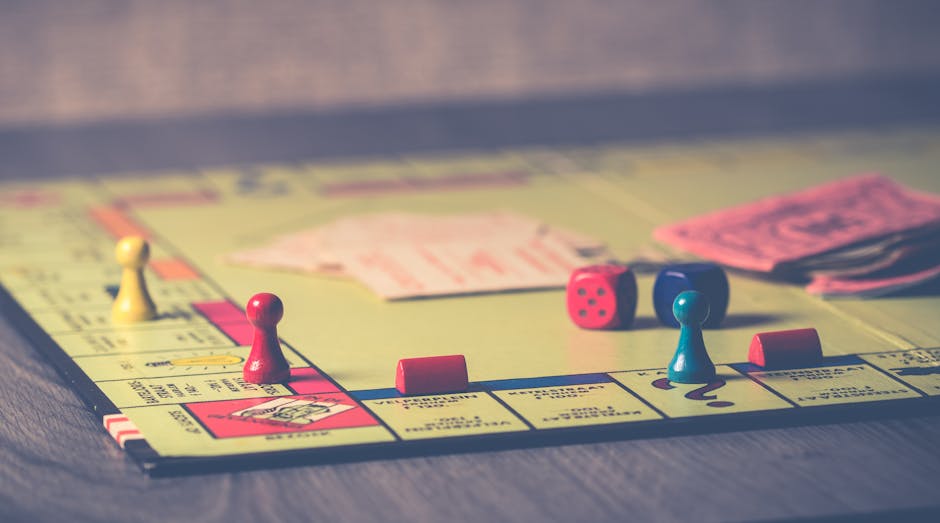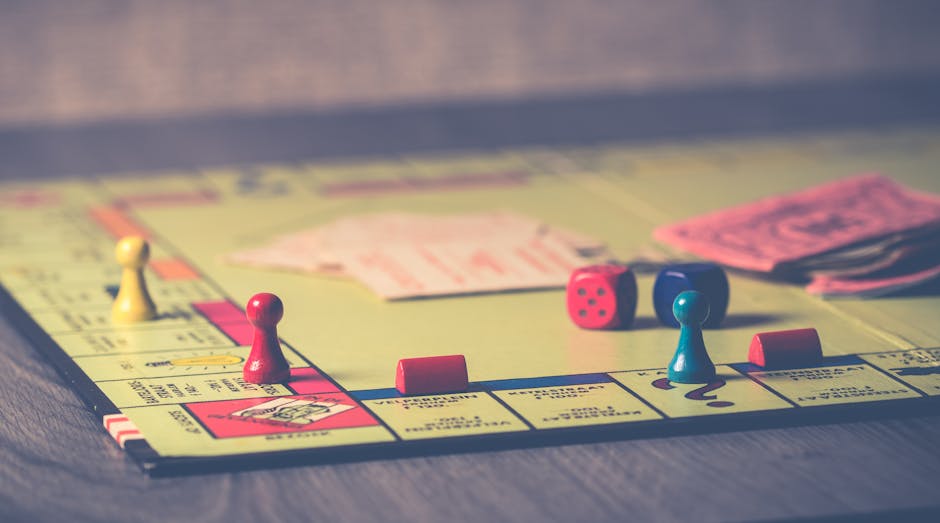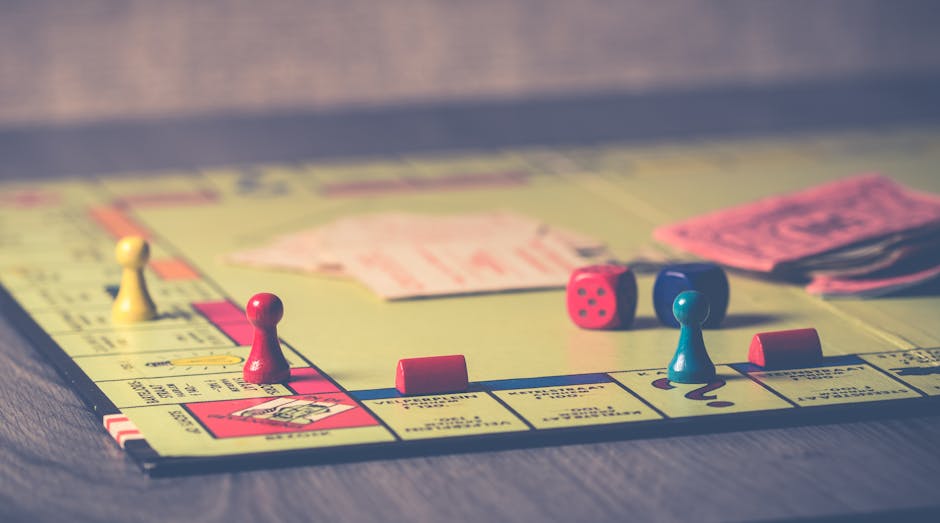
The Ultimate Guide to Strategic Thinking Games for Adults
Three years ago, my friend Marcus attended their first adult board game night skeptically. "Isn't this just...Monopoly?" he asked. Two hours into a complex economic strategy game, he was completely absorbed, calculating optimal resource allocation while negotiating trade agreements with opponents. "This is genuinely challenging," he admitted afterward. "Why didn't anyone tell me strategic gaming was this good?"
Adult strategic gaming has exploded in recent years, and for good reason. These aren't childhood games with adult themes—they're sophisticated strategic systems offering genuine intellectual challenge, social connection, and measurable cognitive benefits. The complexity rivals professional strategy games and business simulations, wrapped in engaging thematic experiences.
This comprehensive guide covers everything adults need to know about strategic thinking games: why they're worth your time, what categories exist, how to choose games matching your preferences, building a regular gaming group, and advancing your strategic skills.
TL;DR Key Takeaways:
- Strategic games provide measurable cognitive benefits for adults including improved decision-making and problem-solving
- Multiple game categories exist serving different strategic preferences and time commitments
- Building a regular gaming group provides both cognitive benefits and valuable social connection
- Strategic skill development follows specific patterns from beginner through advanced play
- The modern board game renaissance offers unprecedented quality and variety
Why Adults Benefit from Strategic Gaming
Strategic board gaming isn't frivolous entertainment—it's cognitive exercise with measurable benefits.
Cognitive Maintenance and Development
Research shows that cognitively challenging activities help maintain brain function as we age. Strategic gaming activates multiple cognitive systems simultaneously:
- Executive function: Planning, working memory, cognitive flexibility
- Pattern recognition: Identifying strategic patterns across game states
- Decision-making: Evaluating options under uncertainty and time pressure
- Systems thinking: Understanding interconnected strategic elements
A 2024 longitudinal study tracking adults 30-65 found that regular strategic game players (3+ hours weekly) showed 23% better executive function scores and 31% slower age-related cognitive decline compared to matched non-gaming controls.
Social Connection Through Shared Challenge
Adult friendships often struggle after school/university as work and family consume time. Strategic gaming provides structured social interaction around shared intellectual challenge.
Unlike casual socializing (which some find awkward) or pure competition (which can be alienating), strategic gaming creates collaborative competition—you're competing against each other while creating an engaging experience together.
Many adults report that their closest friendships emerged from regular gaming groups, bonded through hundreds of hours of strategic challenge and social interaction.
Stress Relief Through Engaging Distraction
Strategic games provide eustress (positive stress) that displaces chronic negative stress. Complete absorption in strategic decision-making creates what psychologists call "flow states"—periods of optimal challenge where worries about work, finances, or life pressures fade into background.
The mental demand is high enough to occupy full attention, preventing rumination on stressors, while the artificial stakes (it's just a game) prevent genuine anxiety.
Skill Development Applicable to Professional Life
Strategic gaming develops transferable skills:
- Resource allocation under constraints
- Risk assessment and probability thinking
- Competitive analysis and opponent modeling
- Strategic planning with long time horizons
- Adaptive thinking when conditions change
Business professionals often report that strategic gaming sharpens decision-making they apply at work.
Game Categories and Recommendations
Strategic games span multiple categories serving different preferences.
Economic and Business Simulation Games (8-10 recommendations)
Characteristics:
- Focus on resource management, market dynamics, economic strategy
- Moderate to high complexity
- 90-150 minute sessions typically
- Reward efficiency optimization and economic thinking
Top Recommendations:
Brass: Birmingham (Ages 14+, 2-4 players, 120 min)
- Industrial revolution economic development
- Multi-layered resource conversion
- Network building and market timing
- Deep strategic complexity
Food Chain Magnate (Ages 14+, 2-5 players, 120-240 min)
- Restaurant chain building
- Supply-demand market dynamics
- Advertising and positioning strategy
- Highly competitive, unforgiving
Container (Ages 13+, 3-5 players, 90 min)
- Trading and economic simulation
- Player-driven market pricing
- Supply chain management
- Negotiation and arbitrage
Smoothie Wars (Ages 8+, 2-4 players, 45-60 min)
- Accessible business strategy
- Clear supply-demand dynamics
- Resource management fundamentals
- Gateway to economic gaming
Power Grid (Ages 12+, 2-6 players, 120 min)
- Electrical network building
- Auction mechanics
- Resource market management
- Tight economic balance
War Games and Conflict Strategy
Characteristics:
- Asymmetric conflicts, territorial control
- Tactical and strategic military thinking
- Often longer sessions (2-4 hours)
- Historical or fantasy themes
Top Recommendations:
Twilight Struggle (Ages 13+, 2 players, 180 min)
- Cold War grand strategy
- Card-driven mechanics
- Event management and positioning
- Widely considered masterpiece
Root (Ages 10+, 2-4 players, 90 min)
- Asymmetric woodland warfare
- Different factions play completely differently
- Tactical combat and strategic positioning
- Beautiful artwork and theme
Kemet (Ages 13+, 2-5 players, 90 min)
- Egyptian mythology combat
- Aggressive tactical play
- Technology paths and army building
- Rewards bold strategic moves
Abstract Strategy Games
Characteristics:
- Pure strategic thinking, no randomness
- Perfect information (usually)
- Deep mastery potential
- Quick to learn, lifetime to master
Top Recommendations:
Go (Ages 6+, 2 players, 60-120 min)
- Ancient abstract game
- Deepest strategic game ever created
- Professional competitive scene
- Free to play online
Chess (Ages 6+, 2 players, 30-120 min)
- Classic abstract strategy
- Extensive theory and study materials
- Active competitive and social scenes
- Cognitive benefits well-documented
Azul (Ages 8+, 2-4 players, 30-45 min)
- Modern abstract tile-laying
- Pattern completion optimization
- Beautiful components
- Accessible but strategic
GIPF Project games (Ages 13+, 2 players, 30-60 min)
- Series of connected abstract games
- Tournament-worthy depth
- Unique mechanics per game
- For serious abstract strategy fans
Eurogames and Engine Builders
Characteristics:
- Resource conversion and engine building
- Minimal direct conflict
- Victory point optimization
- 60-120 minute sessions
Top Recommendations:
Terraforming Mars (Ages 12+, 1-5 players, 120 min)
- Mars colony development
- Card-driven engine building
- Multiple strategic paths
- High replayability
Wingspan (Ages 10+, 1-5 players, 60-90 min)
- Bird collection and habitat building
- Beautiful artwork and production
- Engine building with minimal conflict
- Educational about ornithology
Agricola (Ages 12+, 1-4 players, 120 min)
- Medieval farming development
- Tightly constrained resource management
- Multiple viable strategies
- Intense competition for actions
Splendor (Ages 10+, 2-4 players, 30 min)
- Renaissance merchant trading
- Simple rules, deep strategy
- Engine building fundamentals
- Excellent gateway game
Negotiation and Social Deduction
Characteristics:
- Player communication and psychology
- Bluffing and deduction
- Social dynamics crucial
- Highly group-dependent
Top Recommendations:
Sidereal Confluence (Ages 14+, 4-9 players, 120-180 min)
- Alien species trading and negotiation
- Simultaneous real-time trading
- Asymmetric powers and economies
- Chaotic but brilliant
Cosmic Encounter (Ages 12+, 3-5 players, 90 min)
- Alien powers and negotiation
- Alliance building and betrayal
- Highly variable gameplay
- Classic design
Diplomacy (Ages 12+, 3-7 players, 360+ min)
- Pre-WWI Europe grand strategy
- Pure negotiation-driven
- Friendship-testing intensity
- Legendary for betrayal dynamics
Choosing the Right Game
With thousands of strategic games available, selection can overwhelm. Use this framework:
Player Count Optimization
| Player Count | Best Game Types | Avoid |
|---|---|---|
| 1 (Solo) | Puzzle optimization, campaign games | Social deduction, negotiation |
| 2 players | Abstract strategy, card dueling, tight economic | Large-group party, negotiation-heavy |
| 3-5 players | Most strategic games designed for this range | Games that scale poorly |
| 6+ players | Social deduction, team games, light strategy | Complex economic (too much downtime) |
Critical: Choose games designed for your typical player count. Games that "support" a player count often play poorly at it.
Complexity Calibration
Light (Gateway): 30-60 min, simple rules, immediate accessibility
- Splendor, Azul, Ticket to Ride
- For: New gamers, casual sessions, mixed experience
Medium: 90-120 min, moderate rules, strategic depth emerges
- Wingspan, Catan, Power Grid
- For: Regular gamers, developing strategy skills
Heavy: 120-240+ min, complex rules, deep strategic mastery
- Brass: Birmingham, Twilight Struggle, Food Chain Magnate
- For: Experienced gamers, dedicated sessions
Match complexity to:
- Group experience level (least experienced player)
- Available time and mental energy
- Desired challenge level
Time Investment Reality Check
Box estimates underestimate actual play time, especially with:
- First playthrough (+50% typical)
- Teaching new players (+30-50%)
- Analysis-prone players (+20-40%)
Budget accordingly: A "90 minute" game often becomes 120-150 minutes in practice.
Theme and Aesthetic Preferences
Some players need thematic immersion; others prefer abstract systems. Know your group.
Thematic: Rich narrative, immersive setting, mechanics support theme Abstract: Pure strategic systems, theme secondary
Neither is superior—preference is personal.
Building an Adult Gaming Group
Regular gaming groups provide maximum cognitive and social benefits.
Finding Like-Minded Players
Where to look:
- Local board game stores (often host game nights)
- Meetup.com board game groups
- Board Game Geek forums (location-based)
- Workplace game enthusiasts
- Friends-of-friends network effect
Compatibility factors:
- Similar desired complexity/intensity
- Compatible schedules
- Aligned competitive/social balance preferences
- Geographic proximity
Start small: 4-6 dedicated players beats 20 occasional ones.
Establishing Regular Sessions
Consistency matters more than frequency:
- Weekly same-day/time ideal but demanding
- Biweekly or monthly more sustainable for busy adults
- Critical: Predictable schedule people can plan around
Our group: First Saturday monthly, 2 PM-9 PM. Success rate: 90%+ attendance because it's calendared months ahead.
Managing Different Experience Levels
Strategies:
- Game rotation: Mix gateway, medium, heavy games
- Teaching culture: Experienced players help newer ones
- Patience norm: Accept slower pace with learning
- Separate tracks: Sometimes split groups by experience
Red flag: If newer players consistently lose and never improve, they'll quit. Ensure everyone wins occasionally and feels growth.
Creating Sustainable Gaming Culture
Keys to longevity:
- Explicit expectations: Competitive intensity, commitment level, behavior norms
- Regular communication: Shared chat/email for scheduling
- Shared costs: Rotate who buys games or pool resources
- Social time: Not just gaming—meals, hanging out
- Conflict resolution: Address issues directly and quickly
Groups fail when:
- Expectations misaligned (some want casual, others intense)
- One person dominates/bullies others
- Poor time boundaries (sessions drag indefinitely)
- No social cohesion beyond gaming
Advancing Your Strategic Skills
Strategic gaming skill develops through specific patterns.
Beginner to Intermediate (Games 1-30)
Focus areas:
- Learning rules thoroughly
- Understanding victory conditions clearly
- Basic strategic concepts (efficiency, planning ahead)
- Recognizing obviously bad moves
Practice approach:
- Play variety of games to understand common mechanics
- Focus on avoiding major mistakes over optimal play
- Ask experienced players for advice
- Study one game deeply rather than many shallowly
Milestone: You can play most new medium-complexity games competently within one session.
Intermediate to Advanced (Games 30-100)
Focus areas:
- Planning 3-5 turns ahead
- Reading opponent strategies
- Timing and tempo management
- Risk-adjusted decision making
- Recognizing strategic patterns across games
Practice approach:
- Deliberate practice on specific skills
- Analyze losing games for specific mistakes
- Watch/read strategy content from experts
- Play same game repeatedly to develop mastery
Milestone: You win roughly your expected share against experienced players (25% in 4-player games).
Advanced to Expert (Games 100+)
Focus areas:
- Subtle optimizations and edge cases
- Meta-game understanding (what strategies opponents likely know)
- Psychological aspects and information management
- Creative novel strategies
- Teaching and mentoring others
Practice approach:
- Study game theory formally
- Participate in competitive tournaments
- Analyze top-level play
- Contribute to strategic discussions online
Milestone: Other experienced players seek your strategic advice.
Deliberate Practice Techniques
Not just playing more:
- Set specific focus each game ("Improve timing decisions")
- Analyze critical decision points afterward
- Study games you lost more than games you won
- Seek tougher opponents consistently
- Review recorded games (if possible)
Measurement:
- Track win rates over time
- Note specific skill improvements
- Request feedback from others
- Compare early vs current strategic thinking
Frequently Asked Questions
Q: I'm completely new to strategic gaming beyond Monopoly. Where do I start?
A: Begin with modern gateway games designed to be accessible yet strategic: Ticket to Ride, Splendor, or Azul. These teach fundamental strategic concepts (route planning, engine building, pattern optimization) with simple rules. Play each 5-6 times before moving to more complex games. Consider Smoothie Wars for business strategy introduction.
Q: How much should I expect to spend building a game collection?
A: Starter collection (6-8 games covering various categories): £150-250. Quality strategic games typically cost £25-60. Prioritize games with high replayability over quantity. Better to own 10 excellent games you'll play repeatedly than 50 mediocre ones gathering dust.
Q: Do I need to play with the same group consistently or can I mix groups?
A: Both approaches work. Consistent groups develop shared knowledge (faster teaching, deeper strategic meta-game) and stronger social bonds. Mixed groups provide variety and prevent stale strategies. Many dedicated gamers maintain one core group plus play with various other groups.
Q: Are strategic board games dying with so many video games available?
A: No—physical strategic board gaming is experiencing a renaissance. Industry growth is 15-20% annually. Reasons: screen fatigue, desire for face-to-face social interaction, tactile appeal, and absence of microtransactions/pay-to-win. Digital and physical gaming serve different needs.
Q: How competitive should adult gaming groups be?
A: Varies by group preference. Establish explicit norms early. Most successful groups balance "we play to win" (genuine effort) with "we stay friendly" (respectful, no gloating). Cutthroat competitive groups exist and can be fun for those who want that, but most prefer friendly competition.
Q: Can strategic gaming really improve professional performance?
A: Research suggests yes, though causation is complex. Strategic gaming develops decision-making, resource allocation, strategic planning, risk assessment, and competitive analysis—all relevant professionally. Many executives credit strategic gaming with sharpening business thinking. However, domain-specific knowledge still matters most.
Q: I struggle to find time for 2-3 hour gaming sessions. Are there strategic games for shorter sessions?
A: Absolutely. Many excellent strategic games play in 30-60 minutes: Splendor, Azul, Race for the Galaxy, 7 Wonders Duel. These offer genuine strategic depth in compact sessions. Build your collection around games matching your realistic time availability.
Q: How do I improve when I keep losing to the same experienced players?
A: Focus on specific skill gaps. Are you making tactical errors (not seeing good moves)? Poor strategy (wrong approach)? Reactive play (not anticipating)? Identify YOUR specific weakness and deliberately practice it. Also, ask better players for specific advice—most gladly share insights. Consider studying strategy guides for games you play frequently.
Conclusion: More Than Just Games
Strategic board gaming for adults isn't a nostalgic return to childhood. It's sophisticated intellectual exercise wrapped in social activity—simultaneously challenging your strategic thinking, maintaining cognitive function, building meaningful friendships, and providing engaging stress relief.
The modern board game renaissance offers unprecedented variety and quality. Whether you prefer economic optimization, military tactics, abstract strategy, or social negotiation, dozens of brilliantly designed games exist serving your preferences.
The barrier to entry has never been lower. Gaming cafés let you try before buying. Online communities provide guidance. Local groups welcome newcomers. The hobby is accessible, affordable, and deeply rewarding.
Strategic games won't replace professional development, physical exercise, or other important activities. But as a hobby offering cognitive benefits, social connection, and genuine enjoyment, strategic gaming punches well above its weight.
Your move: Choose a gateway game, find a few interested friends, schedule your first session. Within months, you'll wonder why you didn't discover this hobby earlier.
Strategic thinking awaits. Play well.
Your Action Plan:
- Choose 2-3 gateway games matching your interests
- Identify 3-4 potential gaming partners
- Schedule first session (and second—commit to trying twice)
- Play with focus on learning and enjoying process
- Gradually increase complexity as group develops
About the Author
The Smoothie Wars Content Team creates educational gaming content with extensive experience in strategic gaming and adult cognitive development. the team helps adults discover the intellectual and social benefits of strategic board gaming.
Internal Links:
- Complete Guide to Competitive Strategy in Resource Management Games
- 12 Ways Board Games Improve Decision-Making Skills
- How to Host the Perfect Strategic Game Night
External Sources:
- BoardGameGeek: "Modern Board Gaming Statistics" (2024)
- Journal of Cognitive Development: "Strategic Gaming and Executive Function" (2024)
- Board Game Industry Report (2024)