TL;DR
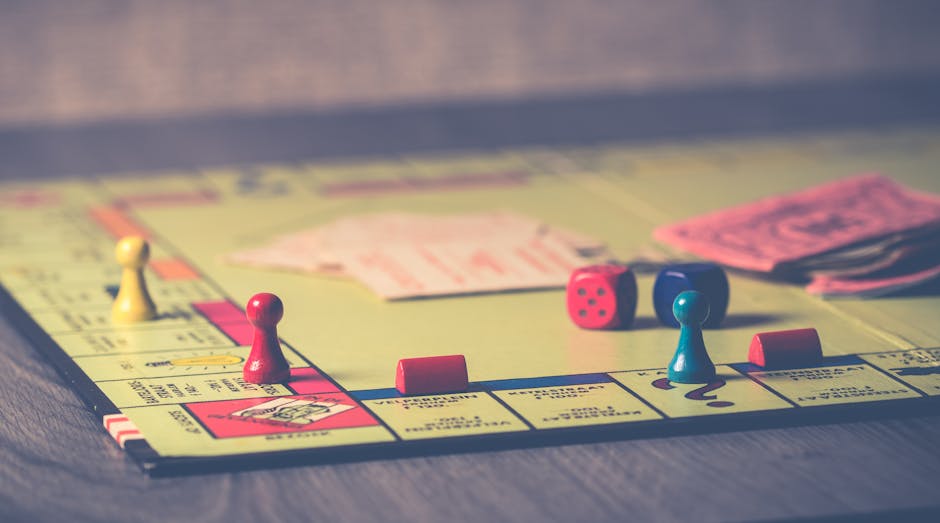
Board games outperform traditional icebreakers because they provide structured interaction, shared focus, and natural conversation hooks. Choose games with quick setup (under 10 mins), simple rules, and high player interaction. Avoid complex strategy games or anything that creates clear winners/losers early. The goal is connection, not competition.
Picture this: eight strangers in a conference room, tasked with "getting to know each other." The options are the usual corporate horror show—two truths and a lie, the human knot, that awful "find someone who..." bingo sheet.
Or: eight strangers around a table, buying mangoes and undercutting each other's smoothie prices, laughing at failed strategies, and actually learning each other's names because they've been saying them all afternoon.
Games aren't just better icebreakers. They're categorically different—and research explains why.
Why Traditional Icebreakers Fail
Standard icebreakers share common flaws:
| Problem | Traditional Icebreaker | Board Game Solution |
|---|---|---|
| Forced performance | "Tell us an interesting fact about yourself" | Attention on game, not individuals |
| Artificial vulnerability | "Share your biggest fear" | Vulnerability emerges naturally through play |
| No shared experience | Disconnected questions | Collective memory of game events |
| Uneven participation | Extroverts dominate | Turn structure ensures everyone engages |
| Time pressure | 30-second spotlight | Extended natural interaction |
Organisational psychologists who study team-building note that structured shared activities like games tend to build rapport faster than open-ended icebreaker prompts, because they give people something concrete to focus on and react to together rather than asking them to perform for the group.
Icebreakers ask people to be interesting. Games ask people to make decisions. The second is far less threatening, yet reveals more about character, problem-solving style, and humour.
The Science of Shared Activity
Why do games work? The mechanism is called "shared attention" or "joint action." When multiple people focus on the same object—a game board—their brains synchronise in measurable ways. Neural coupling increases. Trust hormones release. Social bonds form.
This is why watching films together feels connecting, but playing games feels more so. Films are parallel experiences; games are collaborative ones. You're not just near each other—you're interdependent.
Choosing the Right Game
Not all games suit new groups. Selection criteria:
Must-Have Qualities
Quick to teach (under 10 minutes) Strangers have limited patience for rule explanations. If it takes longer to learn than to play, it's the wrong choice.
High player interaction Games where players ignore each other (parallel puzzles) don't generate conversation. Choose games with trading, negotiation, or direct competition.
Low strategy weight Complex optimisation games favour experienced players. In new groups, you want luck and intuition to balance skill.
Short playtime (30-45 minutes) Long games trap people. Short games allow graceful exits and repeat plays with different groupings.
Scales flexibly Most gatherings have uncertain attendance. Games should work from 4-8 players without major rule changes.
Nice-to-Have Qualities
- Tactile, attractive components (table presence)
- Humour built into mechanics
- Semi-cooperative elements (reduces winner/loser tension)
- Natural conversation hooks (themed decisions)
| Quality | Importance for Icebreaking | Examples |
|---|---|---|
| Quick setup | Critical | Cards > boards > complex |
| Player interaction | Critical | Trading, bidding, social deduction |
| Short duration | Important | 30-45 min ideal |
| Theme accessibility | Important | Business themes work well |
| Luck elements | Helpful | Dice, card draw |
| Visual appeal | Helpful | Draws interest before play |
Smoothie Wars works well for icebreaking because the theme is instantly understandable ("you're selling smoothies"), the decisions prompt natural discussion ("why did you choose the Beach?"), and games are quick enough to play twice with table shuffles.
Setting Up for Success
Physical Space
Arrange seating so everyone can see everyone. Round tables beat rectangular. If you only have rectangular tables, don't let people sit at the ends—they'll feel excluded.
Ensure adequate lighting. Games with small text or detailed cards need good visibility.
Group Dynamics
For larger groups (8+), run multiple simultaneous games. This creates smaller intimate circles and prevents anyone feeling lost in a crowd.
Mix people deliberately. If new colleagues arrived together, split them into different games. The goal is new connections, not reinforcing existing ones.
Facilitation
Have someone "host" each table—not to play, but to:
- Explain rules clearly
- Manage pace
- Redirect if anyone dominates
- Ensure quieter players get attention
This role is especially important for the first 10 minutes, after which games usually self-manage.
📖 Scenario:
Games Optimised for Strangers
The Warm-Up: Quick, Non-Threatening
Start with something light to establish comfort:
Best options:
- Codenames (word association, teams)
- Wavelength (guessing game, discussion-prompting)
- Just One (cooperative word game)
These games have no individual winners/losers, minimal rules, and maximum laughter potential.
The Main Event: Interactive Strategy
Once warmed up, move to something with more decision-making:
Best options:
- Smoothie Wars (economic, accessible)
- Ticket to Ride (route-building, competitive but friendly)
- Bohnanza (trading, highly interactive)
These games reveal more personality while remaining accessible to non-gamers.
The Closer: Team-Based
End with something that requires collaboration:
Best options:
- The Crew (cooperative trick-taking)
- Just One (cooperative guessing)
- Mysterium (asymmetric cooperation)
Cooperation after competition reinforces "we're all on the same side ultimately."
Facilitator Scripts
Opening
"We're going to play some games to get to know each other. There's no pressure to be good at this—it's about having fun and chatting. I'll explain the rules, then we'll just play. Ask questions anytime."
Rules Explanation
"Here's all you need to know to start playing. If something confusing comes up, we'll figure it out together. Ready?"
During Play
"That's a bold move, [name]! What's your thinking?" "[Name], you've been quiet—what's your strategy here?" "Five minutes left in this round—let's see how everyone's doing."
Closing
"Great games, everyone. Quick round: what was your highlight moment? What did you learn about someone?"
Special Scenarios
📖 Scenario:
📖 Scenario:
📖 Scenario:
📖 Scenario:
What Can Go Wrong (And How to Fix It)
Problem: One Player Dominates
Solution: Rotate table hosts. Gently interrupt with "What does everyone else think?" Direct questions to quiet players.
Problem: Game Is Too Complex
Solution: Abandon mid-game if necessary. Switch to something simpler. No shame—the goal is connection, not completion.
Problem: Someone Refuses to Play
Solution: Offer observer role. Don't force participation. They may join next round once they see others enjoying themselves.
Problem: Clear Winner Emerges Early
Solution: If playing a game where this is possible, consider handicapping in round two, or switching games entirely.
Problem: Awkward Silence Between Turns
Solution: Ask open questions: "Who's got the most aggressive strategy here?" "What's everyone's smoothie order in real life?"
The best icebreaker games generate stories. Weeks later, people don't remember who won—they remember 'that time Sarah accidentally monopolised all the pineapples.' That's connection.
After the Game: Cementing Connections
The game is the hook; the conversation afterwards is where connections solidify. Provide:
- Drinks and snacks (creates lingering time)
- Seating that enables continued chat (not just the game table)
- Light prompts if needed ("Anyone else surprised by how competitive [name] got?")
Exchange contact details before dispersing. The warm feeling fades; contact info enables follow-up.
Measuring Success
How do you know if your game-based icebreaker worked?
Immediate indicators:
- Laughter and energy during play
- Voluntary extended play time
- Cross-table mingling during breaks
- Requests to play again
Follow-up indicators:
- References to game moments in later conversations
- Requests for regular game events
- Improved collaboration in actual work
- Reduced friction in new team formation
Frequently Asked Questions
What if people say they "don't play games"?
Frame it differently: "We're doing an interactive activity" or "We're going to have some structured fun." Many non-gamers have positive experiences once they try.
Should the boss play?
Yes—but not to win. Leaders should participate, lose gracefully, and avoid dominating discussion. Their presence legitimises the activity.
How many games should we have ready?
At least two per table, plus backups. Different groups finish at different speeds.
What about virtual/hybrid icebreakers?
Digital board game platforms (Board Game Arena, Tabletop Simulator) enable remote play. Screen-sharing works for simpler games. Hybrid is hardest—consider running parallel physical and virtual games.
The best icebreaker doesn't feel like an icebreaker. It feels like fun. When people look back, they won't remember being "icebroken"—they'll remember the game, the laughter, and the people they met.
That's connection. That's the goal.
Planning a corporate event? Our team building guide covers structured programmes for workplace groups.