TL;DR
Repack games into zip-lock bags and a single protective case. Photograph component arrangements before dismantling. Target 2-3 games maximum for a week's holiday. Best play locations: hotel lobbies, covered patios, and ferry crossings. Avoid pools, beaches (wind!), and cramped flights.
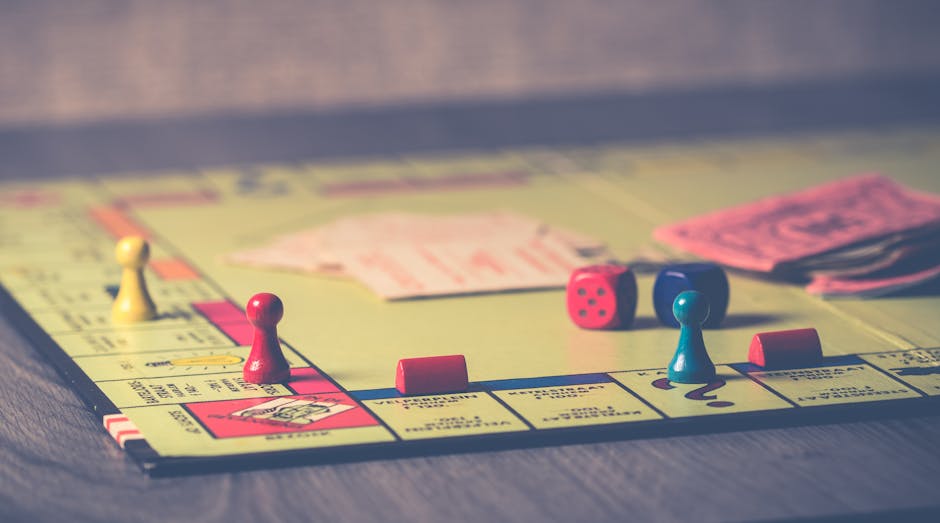
The scene: a Croatian terrace, evening sun dipping behind medieval walls, local wine breathing on the table, and my family absolutely demolishing each other in Smoothie Wars. The Italians at the next table kept glancing over. By game two, they'd asked to learn.
That's the magic of holiday gaming. You're already relaxed, already together, already screen-free by circumstance. Games elevate good holidays into memorable ones.
But getting games safely across borders—and finding somewhere sensible to play them—requires a bit of planning. Here's everything I've learned from years of travelling with cardboard.
The Case for Holiday Gaming
Before packing tips, let's address the sceptics: "We're on holiday, why bring games?"
Because holidays often include:
- Rainy days with restless children
- Long ferry or train journeys
- Evenings where restaurants close early
- Apartment stays with no entertainment
- Multi-generational groups seeking common ground
A well-chosen game transforms dead time into quality time. It gives structure to unstructured days without feeling like work.
| Holiday Type | Gaming Opportunity | Recommended Packing |
|---|---|---|
| Beach resort | Evenings, rainy days | 2 games, wind-resistant |
| City break | Evening downtime | 1 compact game |
| Camping | Afternoons, evenings | 2-3 durable games |
| Cruise/ferry | Transit time, sea days | 2-3 games |
| Multi-family rental | Daily opportunity | 3-4 games, varied complexity |
Packing Games: The Practical Guide
The Repack Strategy
Standard game boxes are space hogs. They're designed for retail shelves, not suitcases. The solution: repack.
Step 1: Document the original Photograph how components sit in the original box. When you get home, you'll thank yourself.
Step 2: Consolidate components Zip-lock bags are your friend. Sort cards, tokens, dice, and tiles into separate bags. They're waterproof, seethrough, and stackable.
Step 3: Choose a container Options include:
- Plastic tackle boxes (adjustable compartments)
- Canvas pouches (soft-sided protection)
- Small hard cases (premium protection)
- The game's original box, wrapped in clothes (if space allows)
Step 4: Protect cards specifically Cards suffer most from travel. Consider:
- Card sleeves (add bulk but prevent damage)
- Elastic bands around deck (cheap but effective)
- Positioning in bag centre (surrounded by soft items)
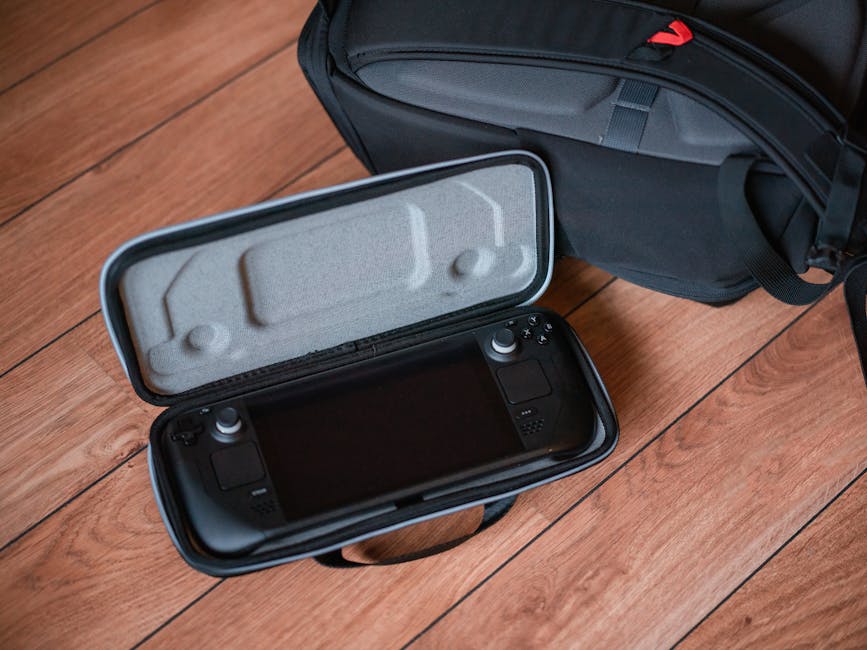
Well-travelled board game reviewers often make the same recommendation: a hard-shell case with customisable foam is the single best investment for travelling with games. It costs roughly £25, lasts for years, and protects everything—your games arrive playable.
What Not to Pack
Some games don't travel well:
| Factor | Problem | Alternative |
|---|---|---|
| Large boards | Won't fit luggage | Compact/travel editions |
| Many small components | Loss risk | Games with chunkier pieces |
| Paper money | Crumples, tears | Games using cards or tokens |
| Complex setup | Holiday patience is limited | Fast-setup games |
| 3+ hour playtime | Opportunity rarely arises | Shorter games, play twice |
Weight and Airline Considerations
Board games add weight. For carry-on travel:
- Repack ruthlessly (boxes are heavy)
- Weigh the result (aim for under 1kg total)
- Keep in hand luggage (checked luggage gets thrown)
- Be prepared for security questions (metal tokens sometimes flag)
One reader reported security confiscating their game's metal coins at Stansted. The solution: declare proactively, or use plastic/wooden components for travel.
Choosing Games for Travel
The Ideal Travel Game
Characteristics of games that shine on holiday:
- Plays in under 60 minutes (attention is limited)
- Setup in under 5 minutes (patience is scarce)
- Teachable in 10 minutes (non-gamers may join)
- Scales 2-5 players (group sizes vary)
- Wind-resistant components (outdoor play)
- No table required (floor play possible)
Smoothie Wars travels well: cards and tokens repack easily, setup is quick, and the rules are accessible to holiday friends and family who haven't played before.
How Many Games to Bring
Resist the urge to over-pack. For a week's holiday:
| Group Size | Recommended Games | Reasoning |
|---|---|---|
| Couple | 1-2 | Limited opportunities, replay acceptable |
| Family (4) | 2-3 | Variety important for children |
| Multi-family (6+) | 3-4 | Different player counts, preferences |
| Extended trip (2+ weeks) | 3-4 | Even with more time, variety caps |
Better to play one game three times than pack three games played once each.
Finding Play Spaces
Hotels
Best spots:
- Lobby lounge (often quiet during off-hours)
- Pool terrace (evening, after swimmers leave)
- In-room (clear the desk, use floor if needed)
- Rooftop areas (check for wind)
Avoid:
- Restaurants at meal times (staff want turnover)
- Pool deck during day (splashing, sunscreen hands)
- Public beaches attached to hotels (sand, wind, theft)
Pro tip: Ask reception if there's a "quiet lounge" or unused meeting room. Hotels often have underused spaces they'll happily offer.
Self-Catering Accommodation
The kitchen table is obvious. But also consider:
- Outdoor patios after dark
- Balconies (weight pieces with drinks to avoid wind loss)
- Living room floor for larger games
- Covered porches during rain
The advantage of self-catering: you control the space entirely. The disadvantage: you need to provide your own entertainment—which is why you brought games.
Camping and Caravanning
Camping presents unique challenges: uneven surfaces, weather exposure, limited lighting.
Solutions:
- Hard-backed books as portable play surfaces
- Battery lanterns for evening illumination
- Picnic tables in communal areas
- The car boot (with tailgate, in rain)
- The tent floor during midday heat
Games with fewer components shine here. Losing a token in grass is frustrating; losing it in sand is permanent.
Transit Gaming
Long journeys are prime gaming opportunities:
| Transit Type | Feasibility | Best Games |
|---|---|---|
| Ferry (table seating) | Excellent | Full games, long sessions |
| Train (table seat) | Good | Compact games, no loose dice |
| Plane (economy) | Poor | Tray too small, neighbour issues |
| Plane (business/first) | Moderate | Space permits, still constrained |
| Car (passengers) | Variable | Card games only, road conditions |
| Coach | Poor | No tables, motion sickness risk |
Ferries are the hidden gem of travel gaming. Multi-hour crossings with stable tables and nothing else to do—perfect conditions.
The Portsmouth-Bilbao ferry is our annual gaming marathon. Thirty hours at sea, three games per meal period, kids exhausted by arrival. Best travel hack we've discovered.
Protecting Games from the Elements
Sun Damage
Prolonged UV exposure fades artwork and warps components. Store games in bags inside luggage, not visible on car parcel shelves.
Water and Humidity
Tropical destinations pose humidity risks. Silica gel packets (save them from shoe boxes) in your game bag help. If cards get damp, separate immediately and air-dry flat.
Sand and Dirt
The enemy of moving parts. Play on elevated surfaces (tables, not beach blankets). Brush off components before repacking.
Heat
Don't leave games in hot cars. Dashboard temperatures can delaminate boards and warp plastic. Treat games like electronics: cool, dry, protected.
When Things Go Wrong
Lost Component
Most publishers sell replacement components. Note what's missing, order upon return. In the meantime, improvise: coins for tokens, folded paper for cards, phone apps for dice.
Damaged Cards
For single damaged cards, continue playing (everyone knows it's damaged). For multiple cards, sleeve the deck to equalise wear visibility.
Spilled Drinks
Immediate action matters. Blot (don't wipe) with paper towels. Separate affected components for drying. Cards may never fully recover; boards sometimes can.
Complete Loss
Travel insurance may cover personal effects including games—check your policy. Photograph game contents before travel for documentation.
Sharing Games with Fellow Travellers
Holiday gaming often attracts curious strangers. Embrace this.
At the pool: Others will watch. Offer to explain at game's end. At campsites: Neighbours appreciate entertainment for their kids. At hostels: Gaming is a social lubricant for solo travellers. At resorts: Staff sometimes want to learn during quiet shifts.
Some of my best travel memories involve teaching games to people I'd met that day. Languages differ; game mechanics transcend.
The Holiday Gaming Kit
Here's my personal travel setup, refined over years:
✓ Packing Checklist
- □Primary game (repackaged in zip-locks)
- □Secondary game (optional, for variety)
- □Compact card game (for small spaces/quick plays)
- □Hard case or protective bag
- □Rubber bands for card decks
- □Pen and paper (for scoring)
- □Photo of original box contents (on phone)
- □Ziplock spare bags (for wet/sandy storage)
- □Battery lantern (if camping/outdoor evenings)
- □Playmat or felt roll (optional, for unstable surfaces)
Total weight: approximately 800g-1.2kg for two games.
Frequently Asked Questions
What if my travel companions don't want to play?
Don't force it. Offer, don't insist. Have a book backup. Sometimes people join by day three when boredom strikes.
Can I fly with board games in hand luggage?
Yes, though expect occasional security interest in metal components. No sharp-edged tokens or miniatures that could be misconstrued.
What's the smallest useful game I can pack?
Standard playing cards plus a smartphone app for rules enable dozens of games. But a single small-box game (Love Letter, Coup, etc.) adds minimal weight.
Should I bring new games or familiar ones?
Familiar games avoid rules-learning friction when energy is low. One new game per trip is reasonable; more risks overwhelm.
How do I manage gaming with jet lag?
Evening games help calibrate sleep schedules. But don't force gaming when people are exhausted—it becomes a chore.
The best holidays include moments of genuine togetherness. Screens offer solitary escape; games demand shared presence.
Pack light. Play often. Make memories.
Looking for specific travel-friendly recommendations? Our portable strategy games guide reviews the most packable options for your next trip.