TL;DR
Essential elements: natural light (window light is free and beautiful), clean backgrounds, overhead perspective for boards, rule of thirds for composition. Smartphone tips: clean your lens, use portrait mode selectively, avoid digital zoom. Flat lay basics: create depth with varied heights, use props sparingly, frame tight. Best times: golden hour for warmth, overcast days for even lighting. Edit lightly—enhance, don't fabricate.
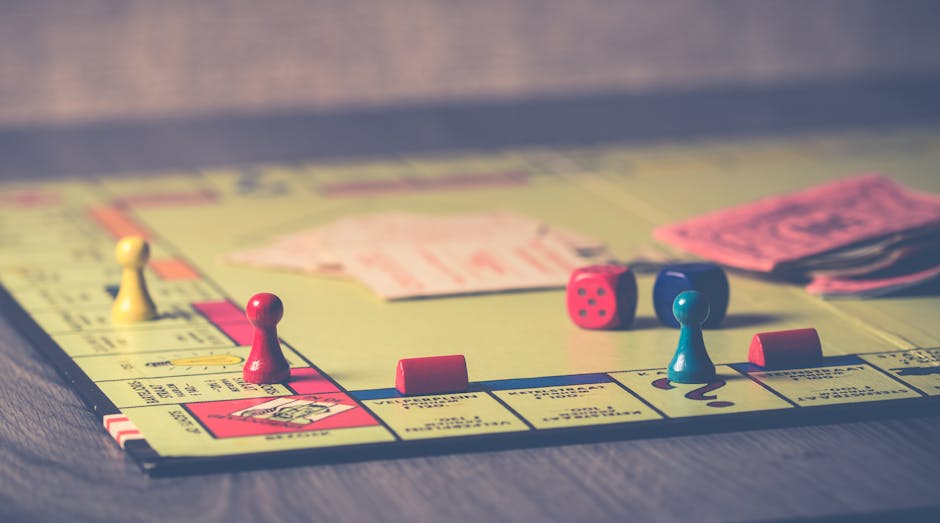
My first board game Instagram post featured Catan at night, lit by an overhead lamp, shot at an angle that showed mostly table and glare. Three likes. Two from family members.
Six months later, the same game photographed near a window during golden hour got 400 engagements. Same game. Same phone. Completely different approach.
Board game photography has rules. Learn them, and your collection will look as good online as it does on your table.
Lighting: The Foundation
Everything begins with light.
Natural Light Is Free and Beautiful
Window light provides soft, directional illumination that makes colours pop and components shine.
Best conditions:
- Overcast days (even, diffused light)
- Golden hour (warm, dramatic light)
- Indirect sunlight (avoiding harsh shadows)
Avoid:
- Direct midday sun (harsh shadows, blown highlights)
- Backlit scenes (silhouettes instead of detail)
The Setup
Position your table within 2 metres of a large window. Photograph with the light coming from the side or slightly behind you—never with the window behind the game.
Find Your Window
North-facing windows (UK) provide consistent light without direct sun. Any window works on overcast days.
Position the Table
Move game table near window. Light should fall across the board from one direction.
Block Direct Sun
If sunlight is direct, use white curtains or sheets to diffuse. Creates soft, even illumination.
Shoot
Position camera/phone with light source behind or beside you, not behind the subject.
Artificial Light Options
When natural light isn't available:
Ring lights: Even, shadowless illumination. Can look flat. Softboxes: Professional quality. Requires investment and space. Desk lamps: Improvised lighting. Use two for balance. Overhead fixtures: Usually worst option—creates harsh shadows and glare.
Light Source Comparison
| Light Source | Quality | Cost | Convenience | Best For |
|---|---|---|---|---|
| Window (overcast) | Excellent | Free | High | Most shots |
| Window (golden hour) | Beautiful | Free | Time-limited | Feature photos |
| Ring light | Good | £30-80 | High | Consistent results |
| Softbox kit | Excellent | £100+ | Medium | Professional work |
| Desk lamp | Acceptable | Minimal | High | Emergency option |
Composition Basics
How you arrange elements matters as much as how you light them.
The Overhead Perspective
Board games were designed to be viewed from above. Photographs work the same way.
Why overhead works:
- Shows full game state
- Minimal distortion
- Components read clearly
- Natural viewing angle
How to achieve:
- Stand on chair above table
- Use smartphone mount/tripod
- Lean over carefully (steady hands)
Rule of Thirds
Divide frame into 3×3 grid. Place key elements along lines or at intersections—not dead centre.
Application to games:
- Main component at intersection
- Board offset to one side
- Negative space for text overlay
Leading Lines
Use game elements to guide the eye:
- Card rows leading to focal point
- Board edges creating direction
- Component arrangements that flow
Framing
Tight framing: Focus on details (one token, card art, component quality) Wide framing: Context and atmosphere (full table, players, environment)
Both serve different purposes. Mix for variety.
💡 The 45-Degree Angle
When overhead isn't possible, 45 degrees from table level captures both board layout and component depth. Shows game without distortion while adding dimensionality.
Flat Lay Techniques
The signature board game Instagram aesthetic.
Creating Depth
Flat doesn't mean flat. Add dimensionality:
- Stack components at varying heights
- Place meeples standing up, not lying down
- Fan cards rather than pile
- Use boxes and inserts for elevation
Balance and Symmetry
Symmetrical: Orderly, calming, formal Asymmetrical: Dynamic, interesting, casual
Most engaging photos use asymmetrical balance—elements aren't mirrored but feel visually equal.
Negative Space
Leave room to breathe. Full-frame component chaos overwhelms. Strategic emptiness creates focus.
Uses:
- Text overlay area
- Eye rest
- Emphasis on subject
Props and Styling
Good props:
- Dice (scattered naturally)
- Coffee/tea (lifestyle context)
- Reading glasses (scholarly vibe)
- Candles (atmosphere)
- Plants (life)
Bad props:
- Unrelated clutter
- Too many items
- Props that dwarf components
⚠️ Warning
Props should support, not compete. If viewers notice the coffee more than the game, rebalance. The game is the subject.
Smartphone Photography
Most of us use phones. They're capable of excellent results.
Clean Your Lens
Seriously. Pockets accumulate grease. A quick wipe removes haze that ruins sharpness.
Avoid Digital Zoom
Moving closer beats zooming in. Digital zoom reduces quality. Use your feet.
Portrait Mode Carefully
Portrait mode creates depth blur (bokeh). Works well for:
- Single component focus
- Hero shots of boxes
- Detail photography
Works poorly for:
- Full board states
- Complex scenes with multiple focus points
Check edges: Portrait mode often mangles complex shapes like meeples and card edges.
Tap to Focus
Touch screen on your subject. Phone adjusts focus and exposure. Ensures sharpness where it matters.
Burst Mode for Action
Capturing dice rolls or component placement? Use burst mode and select the best frame.
HDR for Tricky Lighting
When contrast is extreme (bright windows, dark components), HDR balances exposure. Most phones enable automatically.
Background Basics
What's behind your game matters.
Simple Surfaces
Wood tables: Warm, classic, works with everything White paper/board: Clean, contemporary, focuses attention Fabric: Texture adds interest (avoid busy patterns) Game mats: Purpose-built, cohesive look
Background Distractions
Remove:
- Clutter beyond frame edges
- Reflective objects catching light
- Bright colours competing for attention
- Text/packaging from other products
Consistent Aesthetic
For social media feeds, consistency creates recognition:
- Same surface type
- Similar colour palette
- Matching editing style
- Recognizable framing
In-Play Photography
Capturing active games brings energy.
Hands in Frame
Include hands placing pieces, holding cards, reaching for dice. Adds life and scale.
Motion Blur
Dice mid-roll, cards being dealt—slight motion blur conveys action. Keep camera steady while subject moves.
Candid Moments
Genuine reactions beat posed shots. Capture players during gameplay, not just components.
The Challenge
In-play photography interrupts the game. Solutions:
- Designate one person as photographer
- Pause at natural breakpoints
- Accept less-than-perfect compositions
- Use burst mode for quick captures
Editing Basics
Raw photos need refinement—but restraint matters.
Essential Adjustments
Exposure: Brighten underexposed shots Contrast: Add pop to flat images Saturation: Boost colour (subtly) Sharpening: Crisp up details
App Recommendations
Free:
- Snapseed (comprehensive, Google)
- VSCO (presets, community)
- Lightroom Mobile (powerful, Adobe)
Paid:
- Lightroom (subscription, professional)
- Affinity Photo (one-time purchase)
Editing Philosophy
Enhance reality: Make the game look its best Don't fabricate: Avoid making it look like something else
Over-edited photos feel fake. The goal is "I want to play this game," not "this can't be real."
Common Editing Mistakes
| Mistake | Problem | Solution |
|---|---|---|
| Over-saturation | Unrealistic colours | Keep saturation +10-20 max |
| Extreme contrast | Lost detail | Moderate adjustments |
| Heavy filters | Dated aesthetic | Subtle or none |
| Cropping too tight | No context | Leave breathing room |
| Ignoring white balance | Colour casts | Correct temperature |
Platform-Specific Tips
Square format: Still works, though feed displays vertical Carousel posts: Show process—setup to play to conclusion Stories: Behind-the-scenes, casual, ephemeral Hashtags: #boardgames #tabletop #gamenight (research active tags)
BoardGameGeek
Image uploads: Show game state clearly for useful documentation GeekLists: Curated collections benefit from consistent photography Reviews: Clear images support written content
Twitter/X
Aspect ratios: 16:9 landscape or 4:3 vertical Engagement: Photos with people get more interaction Speed: Quick shots beat perfect shots for timely content
Authentic: Overly polished can seem promotional Context: Explain what's happening in comments Subreddits: r/boardgames, r/boardgamephotos, game-specific subs
Building a Visual Identity
Consistency across posts creates recognizable presence.
Signature Elements
Develop recurring features:
- Specific background surface
- Consistent colour palette
- Particular angle preference
- Regular editing style
Content Categories
Mix content types:
- Collection showcases
- Game night recaps
- Component close-ups
- Lifestyle context shots
- Box art appreciation
Posting Rhythm
Regular posting beats sporadic bursts:
- Choose sustainable frequency
- Build content buffer
- Engage with community
- Respond to comments
Frequently Asked Questions
What's the best camera for board game photography?
Your smartphone is sufficient for social media. Upgrade only if you're creating professional content.
How do I photograph shiny components without glare?
Diffuse light source (curtains, softbox). Angle components to redirect reflection away from camera.
Can I use flash?
Built-in flash creates harsh shadows and glare. Avoid. Use natural or continuous artificial light instead.
How do I photograph games in dark play spaces?
Move games to better-lit areas for photography. If impossible, use desk lamps positioned to either side.
What size should my images be?
Instagram: 1080×1080 (square) or 1080×1350 (portrait) Twitter: 1200×675 or similar General: Larger is better (platforms resize down)
Should I watermark my photos?
Personal preference. Small, unobtrusive watermarks are acceptable. Large watermarks distract from content.
Final Thoughts
That first Catan photo failed because I broke every rule without knowing rules existed. Harsh artificial light, random angle, cluttered background, zero composition.
Now I plan shots. I wait for good light. I consider backgrounds, props, and framing before pressing the shutter. The games haven't changed—but the photos are unrecognizable.
Good board game photography isn't about expensive equipment. It's about understanding light, composition, and context. Your phone is capable. Your windows provide excellent light. Your games are beautiful subjects.
Start with window light and overhead shots. Master those, then experiment. Your collection deserves to look as good online as it does on your table.
The Smoothie Wars Content Team creates educational gaming content. Their Instagram features meticulously styled game photos taken 30 seconds before their cat knocked everything over.