TL;DR
Board games work for "impossible" recipients because they offer experience, not just objects. Choose based on relationship: games you'll play together show thought; collector editions show you understand their tastes; game café vouchers offer discovery. The gift isn't cardboard—it's future memories.
We all know the person.
They don't need clothes—they buy what they want. Electronics arrive before you think to gift them. Their house is already decorated. They have "enough stuff, really."
What do you buy for someone who has everything?
Something that creates experiences. Something unexpected. Something that shows genuine thought.
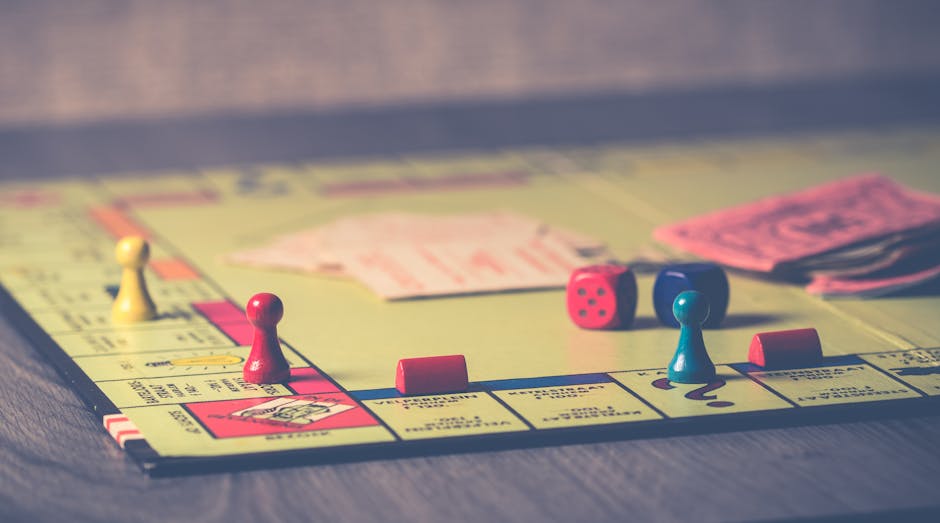
Something like a board game.
Why Games Work for Impossible Recipients
Standard gifts fail because they're things. The "has everything" person has already acquired the things they want.
Games aren't things—they're invitations. They say: "Let's spend time together" or "Here's an experience you haven't had" or "I know you well enough to pick something you'll enjoy."
| Gift Type | What It Says | Longevity |
|---|---|---|
| Generic item | "I had to buy something" | Discarded or regifted |
| Consumable | "Here's something pleasant" | Enjoyed once, forgotten |
| Experience voucher | "Create your own memory" | Memory persists |
| Board game | "Let's make memories together" | Replayable, shared |
The game keeps giving—every time it's played, the gift renews itself.
Gift-giving research consistently points to the same idea: the most meaningful gifts communicate time and attention, not financial value. A thoughtfully chosen game says "I want to spend time with you" in a way that expensive objects cannot.
Matching Games to Recipients
The key is choosing appropriately for who they are:
🎁 For Grandparents
Budget: £25-40 | Best for: Extended family connection
The goal: A game you can play together when visiting. Something accessible that creates grandparent-grandchild moments.
Recommended: Ticket to Ride, Azul, Qwirkle, Patchwork
Why it works: Shows you want to spend quality time with them. Game becomes associated with you.
Include: A note saying "I'd love to play this together next time I visit."
🎁 For Your Boss/Colleague
Budget: £20-35 | Best for: Professional but personal
The goal: Something that says "I see you as a person, not just a work function" without being inappropriate.
Recommended: Quick games like Codenames, Splendor, or Azul
Why it works: Games are neutral but thoughtful. Shows appreciation without crossing lines.
Include: A card mentioning something they said about family or hobbies—shows you listened.
🎁 For Your Parents
Budget: £35-60 | Best for: Creating family tradition
The goal: Something the whole family can play together. A tradition starter.
Recommended: Smoothie Wars, Ticket to Ride, Just One, Wavelength
Why it works: You're not just giving a game; you're creating future Christmas mornings and holiday evenings.
Include: Promise to teach them the game next time you're together.
🎁 For the Collector
Budget: £80-150+ | Best for: Someone who appreciates quality
The goal: Something they wouldn't buy themselves. Premium edition, out-of-print, or exclusive.
Recommended: Deluxe editions (Brass, Scythe, Wingspan). Limited Kickstarter games. Aftermarket rarities.
Why it works: Shows you understand their hobby. They can't "already have it" if it's rare.
Include: Provenance if applicable. Why you chose this specific edition.
🎁 For Teenagers
Budget: £25-45 | Best for: Reluctant socialites
The goal: Something that seems cool enough to overcome "it's a board game" resistance.
Recommended: Secret Hitler, Wingspan, Codenames, Coup
Why it works: Modern games don't look like the family games they associate with boredom.
Include: Offer to play with their friends—or explicitly say it's theirs to play without family.
🎁 For New Parents
Budget: £25-40 | Best for: Exhausted but bonding
The goal: Something couples can play together during brief quiet moments.
Recommended: Patchwork, Jaipur, The Crew, Love Letter
Why it works: New parents crave adult activities but can't leave the house. Quick games fit baby's nap windows.
Include: Acknowledge their situation: "For when you have 20 minutes and working brains."
Alternative Game-Adjacent Gifts
If a specific game feels risky:
Game Café Voucher
Let them discover what they enjoy. Most game cafés sell vouchers. The experience includes trying games they might later purchase.
Best for: Recipients who might enjoy games but haven't explored the hobby.
Gaming Subscription Box
Monthly deliveries of curated small games. Examples: Unboxing Board Games, BoardGameBox UK.
Best for: Adventurous recipients who enjoy discovery and variety.
Component Upgrades
Metal coins, premium sleeves, deluxe inserts for a game they already own and love.
Best for: Established gamers whose favourite games you know.
Game Night Kit
Combine a game with themed snacks, drinks, and perhaps a playlist or candles.
Best for: Couples or families you want to encourage toward gaming.
Board Game Table Accessories
Playmat, card holders, dice tray—accessories that improve any game.
Best for: Regular gamers who don't have premium setups.
The Presentation Matters
A well-presented gift communicates care:
Wrapping
Games are awkward to wrap. Consider:
- Gift bags with tissue paper (easy, effective)
- Fabric wrapping (Furoshiki style, reusable)
- The box unwrapped but with a bow and card (the box is already attractive)
The Note
Include a personal message explaining your choice:
"I know you don't need more 'stuff,' but this isn't stuff—it's an invitation. I'd love to play this with you at Christmas. The theme reminded me of your stories about the market stall you used to run."
The why matters more than the what.
The Offer
Promise your time, not just the object:
"The gift includes me—available to teach the game and play whenever you're ready."
This transforms a product into a relationship gesture.
Dealing with "But They Won't Play"
Common objection: "They're not 'gamers'—they won't play this."
Consider:
- Most adults enjoyed games as children
- Reluctance often stems from bad memories of Monopoly
- Modern games are dramatically better designed
- Social games (Codenames, Just One) feel less like "board games"
If they genuinely won't play:
- Gift with someone who will play with them
- Choose cooperative games (less intimidating)
- Accept they might never play—but the gesture still communicates care
Price Point Considerations
| Budget | What You Can Get | Perception |
|---|---|---|
| Under £20 | Small card games, travel games | Thoughtful, casual |
| £20-40 | Standard family games | Substantial, appropriate for most |
| £40-70 | Premium games | Generous, committed |
| £70-150+ | Collector editions, deluxe versions | Significant, for close relationships |
Underspending for relationship: Looks thoughtless Overspending for relationship: Looks desperate or inappropriate
Match gift value to relationship depth.
When Not to Gift Games
Games aren't universally appropriate:
Skip games if:
- They've explicitly said they don't enjoy games
- Physical limitations prevent comfortable play
- They genuinely have no one to play with
- Previous game gifts went unused
In these cases, consider:
- Puzzles (solo, tactile, beautiful)
- Escape room experiences (social, one-time)
- Other experience-based gifts
Frequently Asked Questions
What if they already own the game?
Keep the receipt. Most retailers accept exchanges. Or: "Keep both—play one, gift one to a friend."
Should I teach them the game when I gift it?
If practical, yes. Lowering barriers to first play increases likelihood they'll use the gift.
Is regifting a board game acceptable?
Only if the original gift was inappropriate for you. Never regift something clearly chosen for you personally.
How do I know what games they already own?
Ask someone close to them. Check their social media for gaming photos. Or choose something new enough they're unlikely to have it.
Can I gift a used game?
Only to very close relationships who'd appreciate the history or rarity. Generally, gift new.
The "person who has everything" has one thing they can always use more of: meaningful experiences with people they care about.
A board game is an invitation to create those experiences—wrapped in cardboard, yes, but containing something more valuable than any material gift.
Choose thoughtfully. Present carefully. Play together.
Looking for specific game recommendations? Our Christmas gift guide covers the best options for every recipient type.