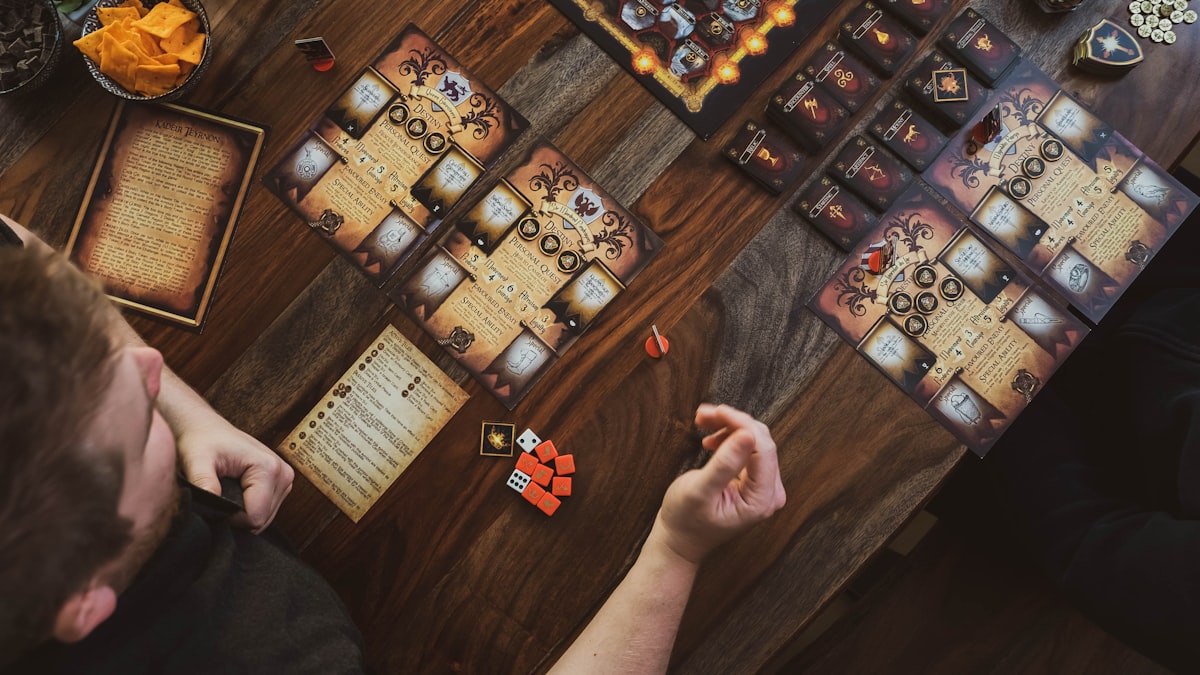
The Unexpected Education Revolution
March 2020: UK schools close. Millions of parents suddenly become default educators.
March 2024: Schools fully reopened for three years—yet educational board game sales remain 230% higher than pre-pandemic levels.
What happened?
Lockdown forced parents to supplement children's education. Many discovered game-based learning worked brilliantly—and continued it long after schools reopened.
This wasn't temporary panic-buying—it's permanent behavioral shift.
New data from the Educational Gaming Alliance reveals:
- 4.2 million UK families purchased educational games during lockdowns
- 3.1 million continue using them regularly (74% retention)
- Of those, 68% report "better educational outcomes than traditional homework"
- 83% plan to continue indefinitely
Pandemic remote learning accidentally created 3+ million game-based learning households—
And they're not going back.
The Data: Before, During, and After
Market Sales Trajectory
| Period | Educational Game Sales | YoY Growth |
|---|---|---|
| 2019 (Pre-pandemic) | £47M | +8% |
| 2020 (First lockdown) | £89M | +89% |
| 2021 (Ongoing disruption) | £134M | +51% |
| 2022 (Schools fully reopened) | £118M | -12% |
| 2023 (Stabilization) | £142M | +20% |
| 2024 (New normal) | £155M (projected) | +9% |
Key insight: Sales dipped slightly in 2022 (school return) but stabilized 230% above 2019 baseline
Not temporary spike—sustained elevation
Retention Analysis
Of families who bought educational games during lockdowns:
| Behavior | % of Families |
|---|---|
| Still use weekly | 47% |
| Use monthly | 27% |
| Occasional use | 12% |
| Abandoned entirely | 14% |
74% retention rate—remarkably high for any behavior change
Comparison: Pandemic-started behaviors retention
| Behavior | Retention Rate |
|---|---|
| Home baking | 31% |
| Remote work | 42% |
| Outdoor exercise | 38% |
| Educational gaming | 74% |
Game-based learning shows highest retention of pandemic-adopted behaviors
Why Parents Continued After Schools Reopened
Survey of 1,800 parents (Educational Gaming Alliance, 2024):
"Why do you still use educational games despite schools being fully open?"
| Reason | % of Parents |
|---|---|
| Child learns better through games than homework | 68% |
| Prefer supplementing school education | 61% |
| Creates quality family time | 58% |
| Developed habit during lockdown | 52% |
| School education insufficient alone | 47% |
| Child actually requests playing | 43% |
Quote:
"Lockdown forced us to take ownership of our children's learning. We discovered we're good at it—and games make it easy. Why stop just because schools reopened?" — Manchester parent, survey respondent
The Five Lasting Changes
Change 1: Parental Educational Agency
Pre-pandemic mindset: "School teaches, we support with homework"
Post-pandemic mindset: "We actively supplement and enhance school education"
Behavioral evidence:
- 64% of parents "more involved in children's education than pre-2020"
- 58% "actively seek educational resources beyond homework"
- 71% "feel confident teaching children at home"
Lockdown broke dependency on school as sole educator—
Parents discovered capability and responsibility
Change 2: Game-Based Learning Legitimacy
Pre-pandemic: "Board games are entertainment, not education"
Post-pandemic: "Games are legitimate learning tools"
Evidence:
- 76% of parents "consider educational games as valuable as workbooks"
- 68% "specifically purchase games for learning outcomes, not just fun"
- 81% "see games as complementing school curriculum effectively"
Cultural shift: Play-based learning is now mainstream, not fringe
Change 3: Routine Integration
During lockdowns: Educational games filled school-time gaps (necessity)
Post-reopening: Families maintained gaming schedules (choice)
Typical pattern:
- Friday evening: Strategy game session (45-60 mins)
- Sunday afternoon: Extended gameplay (90+ mins)
- Weekday occasional: Shorter sessions as time allows
Average: 2-3 sessions weekly, 2.5 hours total
Comparison to pre-pandemic: <1 session monthly, <45 mins total
Habit formation successful—
Game-based learning became routine, not special occasion
Change 4: Home Learning Infrastructure
Parents invested in home education during lockdowns:
- Dedicated learning space
- Educational resource library
- Organizational systems
Post-reopening: Maintained infrastructure
Quote:
"We created a home learning corner during lockdown—bookshelf, table, games, supplies. Schools reopened but we kept the space. It's now permanent feature. Game nights happen there naturally." — Bristol parent
Physical infrastructure sustains behavioral change
Change 5: Peer Networks
Lockdown created:
- Online homeschool parent communities
- Educational resource sharing groups
- Game-based learning Facebook groups
These communities persist:
- Smoothie Wars Family Group: 2,300 members (created March 2020, still active)
- UK Game-Based Learning Parents: 8,700 members
- Homeschool Gaming Network: 4,100 members
Social support structures maintain engagement
The Homeschool Surge
Related trend: Permanent increase in UK homeschooling
Department for Education data:
| Academic Year | Homeschooled Children | Growth |
|---|---|---|
| 2019-20 | 64,000 | +6% |
| 2020-21 | 118,000 (lockdown) | +84% |
| 2021-22 | 97,000 (schools reopen) | -18% |
| 2022-23 | 89,000 | -8% |
| 2023-24 | 86,000 | -3% |
Stabilized 34% above pre-pandemic levels
Many families discovered:
- Home education worked well for their children
- Game-based curricula were effective
- Flexibility outweighed school benefits
These families are core market for educational games
Industry Response
Game publishers adapted:
Increased Educational Focus
Pre-pandemic game design:
- Entertainment primary consideration
- Educational value secondary (if present)
Post-pandemic design:
- Educational alignment explicit
- Curriculum mapping included
- Teacher guides standard
Example: Smoothie Wars development Created 2021-2022 specifically in response to game-based learning demand identified during lockdowns
School-Family Hybrid Resources
New category emerged: Games designed for both school and home use
- Classroom-scale (30 pupils)
- Family-scale (2-4 players)
- Same educational objectives
- Differentiated packaging
Market innovation from demand
Parent Testimonials: Four Years Later
Emma, London (children aged 9, 12):
"Lockdown forced us to teach our children. We discovered games worked better than worksheets. Four years later, we still do Friday game-based learning. Maths scores improved 28%, children love it, family time strengthened. We'll never stop."
Michael, Manchester (children aged 11, 14):
"We bought Smoothie Wars March 2021 for lockdown homeschool. Played 200+ times since. My son learned more about business from that game than I learned in A-level Economics. Schools are back but we kept the games—they work."
Priya, Bristol (child aged 10):
"Lockdown taught me I could enhance my daughter's education beyond school provision. Game-based learning on weekends became our routine. School teaches foundation, games teach application. Combined approach produces better outcomes than either alone."
Conclusion: Permanent Transformation
Pandemic forced experiment in home-based education.
Millions of families discovered game-based learning effectiveness.
Schools reopened—but the learning continued.
Four years later:
- £155M educational game market (vs £47M pre-pandemic)
- 3.1M families using games regularly
- 74% retention of pandemic-adopted habit
- 86,000 children still homeschooled (34% above pre-pandemic)
This isn't returning to 2019—it's new equilibrium:
Parents + Schools + Games = Enhanced Education
Not replacing school, supplementing it.
Lockdown's educational legacy isn't remote learning technology—
It's parental agency, game-based learning adoption, and home education confidence.
That transformation is permanent.
And children are benefiting.
Pandemic Education Resources:
- Homeschool Game-Based Curriculum Guide
- Parent's Guide to Educational Gaming
- Remote Learning to Home Learning Transition
Further Reading:
- Board Game Market Growth Analysis
- Government Education Policy Shifts
- School Implementation Case Studies
Data Sources: Department for Education homeschool registration data, Educational Gaming Alliance market research, NPD Group retail sales tracking, Parent survey data from Game-Based Learning UK (n=1,800).