TL;DR
You don't need two-hour blocks to game meaningfully. A 20-minute game while dinner cooks builds connection. The key is pre-setup (store games ready-to-play), routine integration (specific times become habit), and game selection (match game length to available time). Fifteen minutes thrice weekly beats two hours once monthly.
"We'd love to play more games as a family, but who has the time?"
I hear this from parents constantly. Work bleeds into evenings. Children have activities. Weekends fill with errands. The fantasy of a leisurely three-hour game night feels increasingly distant.
Here's the truth: that fantasy is unnecessary. Meaningful family gaming doesn't require marathon sessions. It requires intentionality, the right games, and a few efficiency hacks.
Reframing the Goal
Stop thinking "game night" and start thinking "game moments."
| Old Mindset | New Mindset |
|---|---|
| 2-hour dedicated block | 20-minute slots |
| Weekend only | Weeknight integration |
| Special occasion | Regular routine |
| Full attention required | Background noise okay |
| Complete game or nothing | Paused games valid |
The shift is psychological first. Once you accept that a 15-minute game "counts," opportunities multiply.
Finding Time You Already Have
Most parents have hidden pockets of time they don't recognise as usable:
Before Dinner (20-30 mins)
While food cooks or the takeaway arrives. Children are home, homework is done (or can wait), and everyone's in the kitchen area anyway.
After Dinner, Before Homework (15-20 mins)
A quick mental break before evening work. Games help children transition between activities.
Before Bed (10-15 mins)
Replace screen wind-down with a calm game. Low-energy games work better than competitive ones.
Weekend Morning (30-45 mins)
Before activities start. Everyone's fresh, not tired. Often the highest-quality gaming slot.
Waiting Moments
Doctor's waiting rooms, car journeys (with portable games), restaurant tables before food arrives.
Games that work: Love Letter, Sushi Go, The Crew, Uno.
How to use: Keep one pre-shuffled in a drawer. Pull out without ceremony. Play one round. Put away.
Reality check: This seems trivial, but three 15-minute sessions weekly totals more than one monthly two-hour session.
Games that work: Smoothie Wars (shortened variant), Ticket to Ride: First Journey, Kingdomino, Splendor.
How to use: Set a timer. Announce "30-minute game time" so everyone knows the boundary. End cleanly even if the game could continue.
Reality check: Most strategy games can be completed or satisfyingly paused in this window.
Games that work: Full Smoothie Wars, Ticket to Ride, Catan, Pandemic.
How to use: Protect this time like a meeting. Calendar it. Let children know in advance.
Reality check: An hour of focused gaming provides more connection than three hours of distracted screen time.
The Pre-Setup Revolution
Setup time is the enemy. By the time you've found the game, opened it, organised components, and explained rules, twenty minutes have evaporated.
The solution: pre-setup.
Method 1: The Ready Box
Keep one game permanently set up on a tray that slides under a bed or on top of a wardrobe. Pull it out, play immediately, slide it back.
Method 2: The Pre-Sorted Game
Inside the box, organise components into player sets in zip-lock bags. Setup becomes: distribute bags, unfold board, play.
Method 3: The Game Station
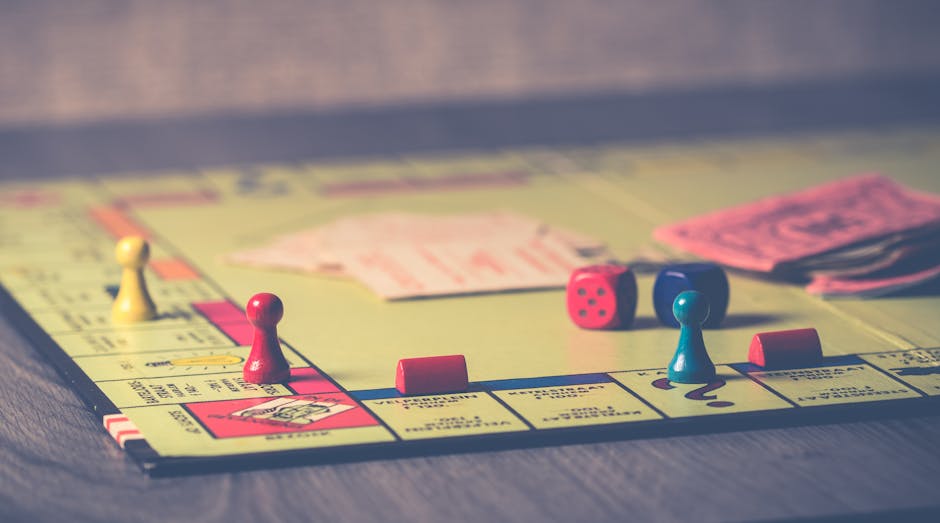
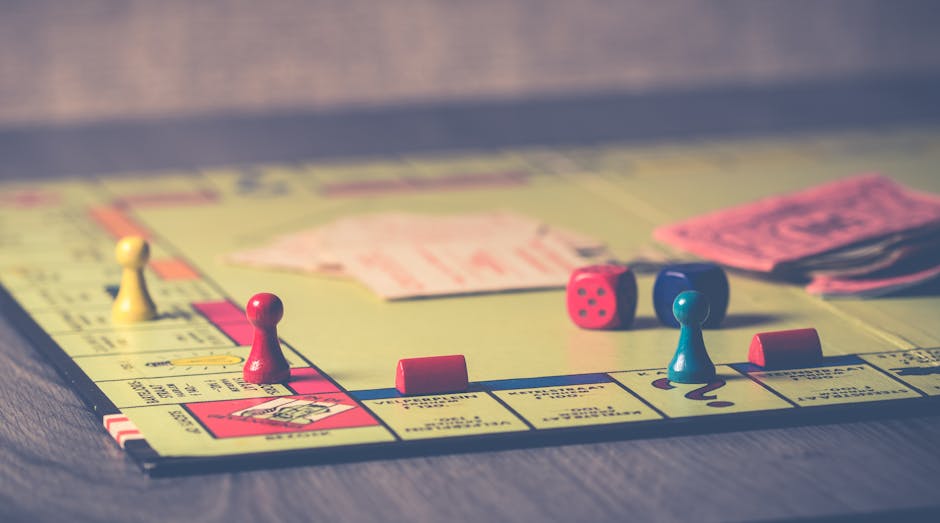
Designate a surface (corner of dining table, coffee table, dedicated game table) where a game lives semi-permanently. Play happens when passing by.
Play researchers who study why families do or don't play together often point to friction — the small effort of finding a game, explaining rules, and setting up — as one of the biggest barriers to spontaneous play. Removing that friction, the reasoning goes, is one of the most reliable ways to increase how often play actually happens.
Game Selection for Limited Time
Not all games suit constrained schedules:
| Time Available | Game Characteristics | Examples |
|---|---|---|
| 10-15 mins | Near-zero setup, simple decisions | Love Letter, Coup |
| 20-30 mins | Fast setup, satisfying arc | Sushi Go, Kingdomino |
| 30-45 mins | Moderate setup, strategic depth | Smoothie Wars, Azul |
| 45-60 mins | Standard games, complete experience | Ticket to Ride, Catan |
| 60+ mins | Complex games, save for special occasions | Wingspan, Brass |
The cardinal rule: Choose games that fit your actual time, not your hoped-for time. Repeatedly abandoning half-finished games breeds frustration.
Smoothie Wars Time Variants
Smoothie Wars can flex to available time:
| Variant | Duration | Days Played | Best For |
|---|---|---|---|
| Express | 15-20 min | 4 days | Weeknight micro-session |
| Standard | 30-40 min | 7 days | Weekend morning |
| Extended | 45-60 min | 10 days | Special game night |
The core mechanics scale cleanly. You sacrifice some strategic depth in shorter variants but maintain the essential experience.
Building Routines
Sporadic gaming feels effortful. Routinised gaming becomes automatic.
The Weekly Anchor
Choose one recurring slot: "Tuesday after dinner" or "Saturday before cartoons." Protect it. Decline conflicts. Over months, it becomes unquestionable family time.
The Daily Micro-Habit
Even five minutes daily compounds. A quick card game while waiting for siblings. A two-player game while the other parent handles bedtime. Consistency trumps duration.
The Monthly Marathon
Balance quick sessions with occasional longer ones. Monthly "game afternoons" where you play multiple games in succession reward the routine discipline of weekdays.
Managing Energy (Yours and Theirs)
Time is one resource; energy is another. Evening gaming when everyone's exhausted fails regardless of how much time exists.
Parent Energy Management
- Don't game when you need recharge time (it's okay to prioritise rest)
- Choose lower-intensity games when tired
- Alternate being "game leader" with your partner if applicable
Child Energy Management
- Morning = high energy = competitive games work
- Evening = low energy = cooperative or calm games
- After school = variable = gauge before committing
| Time of Day | Energy Level | Game Choice |
|---|---|---|
| Morning | High | Competitive, strategic |
| After school | Variable | Quick, gauge mood first |
| After dinner | Medium | Standard complexity |
| Before bed | Low | Cooperative, calm |
Technology Assists
Use technology to save technology time:
Apps for Rules
Instead of rulebook reads, YouTube "how to play" videos (3-5 minutes) teach faster. Watch together as family. BoardGameGeek has rules explanations for almost everything.
Timers
Visible countdown timers help everyone understand the session boundary. Reduces "just one more turn" negotiations.
Digital Companions
Some games have apps that handle scoring, setup randomisation, or turn tracking. Anything that reduces cognitive load helps.
Scheduling Apps
Family calendar apps can block game time automatically. Recurring events create accountability.
Common Obstacles and Solutions
"The kids have homework"
Game first, homework second. The break improves focus. Or: integrate simple maths games into homework time.
"We're never all home simultaneously"
Not all gaming needs the full family. Two-player games with one child. Rotating who plays. Different games for different groupings.
"Evenings are for adult decompression"
Valid. Weekend mornings may work better. Or: alternating nights (some for gaming, some for rest).
"My partner isn't interested"
Start without them. Let the enthusiasm be visible. Many reluctant partners come around once they see children engaged. Never force it.
"The children fight during games"
See our resilience guide. Also: cooperative games reduce conflict; team structures unite competitive children.
Plenty of parents who've made this shift describe the same turning point: lowering the bar from "special game nights" to "random game moments." Total gaming time tends to go up once the pressure of a dedicated occasion disappears.
The Return on Investment
Why bother when time is so limited?
Much of the research on child development and family relationships suggests that quality of attention matters at least as much as quantity of time — a fully-present 20 minutes can plausibly do more for connection than a distracted 2 hours.
Games provide:
- Focused shared attention (no screens competing)
- Natural conversation prompts
- Skill development (maths, strategy, emotional regulation)
- Memory formation (children remember game moments for years)
Time invested in gaming returns more than time invested in passive activities—even less of it.
A Sample Week
Here's what time-limited gaming can look like:
| Day | Window | Duration | Game |
|---|---|---|---|
| Monday | After dinner | 15 min | Sushi Go (quick warm-up) |
| Tuesday | Before bed | 10 min | Love Letter |
| Wednesday | — | — | Rest day |
| Thursday | After dinner | 20 min | Smoothie Wars Express |
| Friday | After dinner | 30 min | Smoothie Wars Standard |
| Saturday | Morning | 45 min | Full Smoothie Wars |
| Sunday | Afternoon | 90 min | Multiple games, relaxed pace |
Total: ~3.5 hours weekly, spread across manageable windows. No single session exceeds 90 minutes. Routine becomes natural within a month.
Frequently Asked Questions
Is 15 minutes really worth it?
Yes. Connection compounds. Regularity matters more than duration. Your children will remember that you played, not for how long.
What if we can never finish a game?
Save-states work. Photograph the board. Resume tomorrow. Or choose games designed for shorter play.
My children are different ages—how do I manage?
Stagger: quick games with younger children early, complex games with older children later. Team younger with older for full family games.
Doesn't gaming add more tasks to my to-do list?
Initially, yes. But the upfront organisation (pre-setup, game selection) reduces friction permanently. Investment now, returns forever.
You don't need more time. You need better use of the time you have.
Twenty minutes of genuine presence—laughing over a fumbled strategy, celebrating a clever move, groaning at bad dice—creates more than hours of parallel existence.
Start small. Start today. Start a game.
Need games that teach quickly for constrained time? Our 5-minute teaching guide helps you maximise playing time.