TL;DR
Islands make for exceptional board game settings because they create natural constraints — limited space, defined geography, and bounded resources. Whether you prefer competitive economic games, cooperative survival missions, or exploration adventures, there's a strong island board game for your group.
Why Islands Work So Well in Board Games
There's something instinctively compelling about an island setting. The geography creates clarity: this is the world you're competing in, and it has edges. Unlike open-world games that sprawl indefinitely, an island board game forces meaningful decisions about where to go, what to prioritise, and how to manage limited space.
Islands also create natural resource scarcity. The best market on the north shore has limited capacity. The fishing grounds are contested. The best trading routes have to be negotiated with other players. This bounded-resource dynamic is exactly what makes good strategy games tick.
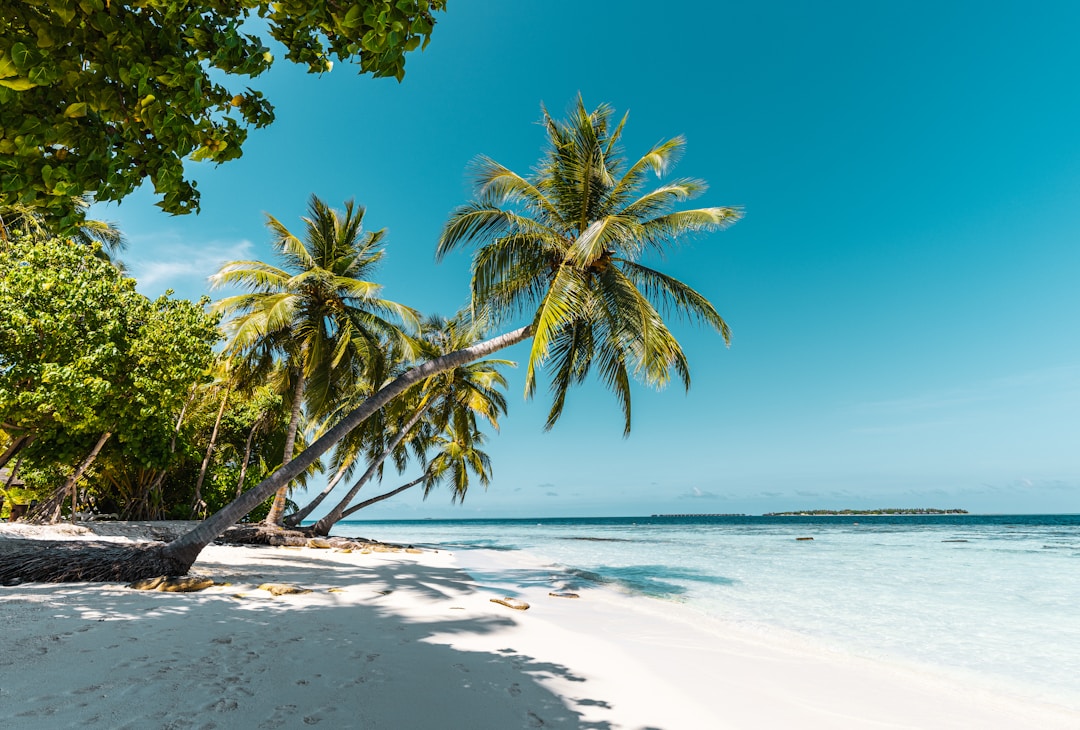
The tropical variant — sunny beaches, fresh fruit, warm seas — adds an aesthetic that makes these games immediately appealing. There's a reason so many designers return to the tropical island as a setting: it's warm without being threatening, exotic without being alienating, and it places economic competition in a context that feels festive rather than grim.
The Best Island Board Games
Smoothie Wars
Players: 3–8
Time: 45–60 minutes
Setting: Tropical island — beaches, jungle, harbour, village
Smoothie Wars is the definitive tropical island board game for groups who want genuine economic competition. Created by Dr Thom Van Every from Guildford, the game places players as smoothie entrepreneurs competing for market share on a tropical island.
The island setting is integral to the gameplay, not merely decorative. Different locations on the island attract different volumes of customers, and the geography creates the competitive tension: the Beach market is busy but competitive; the Jungle clearing is quieter but serves a niche. Choosing where to sell — and predicting where your competitors will go — is the core strategic puzzle.
What makes Smoothie Wars particularly well-designed for groups is the simultaneous action mechanic. Everyone chooses their location at the same time, then reveals. The result is a game that plays quickly even at eight players (the maximum), because no one waits for others to take their turn.
The tropical theme does real work in Smoothie Wars. Players are selling fresh mango and passionfruit smoothies, travelling between beach stalls and jungle clearings, competing with other island vendors for the best pitches. The setting creates vivid imagery that makes the economic concepts more memorable.
Forbidden Island
Players: 2–4
Time: 30–45 minutes
Setting: Sinking mythological island
Forbidden Island is a cooperative game where players work together to collect four treasures and escape before the island sinks beneath them. The island is represented by tiles that flip and eventually disappear as flood cards are drawn.
The cooperative tension of watching your escape routes and treasure locations disappear is well-designed. Players must decide whether to shore up sinking tiles or press forward to collect treasures — a constant trade-off between consolidation and progress.
Forbidden Island is lighter than Smoothie Wars and suitable from around age ten. It's an excellent choice for families or groups who prefer working together over competing.
Forbidden Desert
Players: 2–5
Time: 45–60 minutes
Setting: Desert island with shifting sandstorm
The follow-up to Forbidden Island, Forbidden Desert is generally considered the superior game. Players must collect parts of a flying machine and escape before being buried by an ever-shifting sandstorm.
The desert island setting creates different mechanics from the tropical model: visibility is limited by sand accumulation, and clearing tiles to reveal the structure beneath drives most of the action. The puzzle-solving nature of the game (tiles are arranged randomly each play) gives it strong replayability.
Catan
Players: 3–4 (or 5–6 with extension)
Time: 60–120 minutes
Setting: Undiscovered island to be settled
Catan's island is procedurally generated each game from hexagonal tiles, creating a different geography of resources each time. Players settle this island by building roads, settlements, and cities, trading resources to grow their empire.
Catan is the most commercially successful island board game, and with good reason: the combination of resource trading, competitive development, and variable setup produces reliably engaging games. The island setting is functional — it creates the resource geography that drives the entire game economy.
The limitations are well-known: Catan can produce runaway leaders, the longest games can stall, and the 4-player cap (without the expensive expansion) limits its use for larger groups.
Spirit Island
Players: 1–4
Time: 90–120 minutes
Setting: Island threatened by colonising forces
Spirit Island inverts the Catan premise: rather than settling an island, players are the spirits defending it. The game is cooperative, complex, and designed for experienced players who want a serious strategic challenge.
The island in Spirit Island is a living entity under threat, and the spirits' powers are tied to specific land types (mountains, coastline, jungle). This creates a geographic strategy that's deeply tied to the island setting rather than using it as decoration.
Spirit Island is not a beginner game — the complexity is high and sessions regularly exceed 90 minutes. For groups who enjoy deep strategy and are happy to invest in learning a complex system, it's exceptional.
Bora Bora
Players: 2–4
Time: 75–120 minutes
Setting: South Seas island settlement
Bora Bora is a Stefan Feld design (of Bruges and Castles of Burgundy fame) set in the South Pacific. Players place pieces on a shared island board, collecting goods, building huts, and fulfilling tasks in a classic worker-placement format.
The island setting creates interesting spatial constraints around the placement actions. Bora Bora rewards efficiency and forward planning, and the scoring tracks multiple paths to victory. It's a deeper experience than Forbidden Island but more accessible than Spirit Island.
Island Games by Category
Best island board games by play style and audience
| Game | Style | Players | Time | Best For |
|---|---|---|---|---|
| Smoothie Wars | Competitive economic | 3–8 | 45–60 min | Groups wanting strategy and social play |
| Forbidden Island | Cooperative rescue | 2–4 | 30–45 min | Families, younger players |
| Forbidden Desert | Cooperative adventure | 2–5 | 45–60 min | Families wanting more challenge |
| Catan | Competitive settlement | 3–4 | 60–120 min | Classic strategy fans |
| Spirit Island | Cooperative strategic | 1–4 | 90–120 min | Experienced hobbyists |
| Bora Bora | Competitive worker placement | 2–4 | 75–120 min | Strategy enthusiasts |
What Makes a Great Island Setting?
The best island board games use their setting structurally rather than decoratively. A few elements that separate the good from the great:
Geography as mechanics. The locations on the island should mean something — different resources, different player counts, different strategic value. Smoothie Wars, Catan, and Spirit Island all use geography as a mechanical input rather than just visual dressing.
Resource scarcity tied to geography. Islands are bounded. The best island games make this scarcity feel real — not every location can support every player, and the geography forces trade-offs about where to go.
Visual identity. Tropical islands are inherently appealing visual settings. Games that lean into this — colourful beach tiles, jungle clearings, harbour markets — create the sense of place that makes sessions memorable.
Thematic coherence. The island theme should support the gameplay. In Smoothie Wars, the tropical setting makes the smoothie-selling premise immediately legible. In Spirit Island, the island's nature is the thing being defended. Where setting and mechanics align, the experience is richer.
FAQs
What is the best island board game for families?
For families wanting a competitive game, Smoothie Wars works well from age 12 upward. For younger families, Forbidden Island is the most accessible cooperative option.
Are there island board games for large groups?
Smoothie Wars is the standout option here — it accommodates up to 8 players and was designed to work well at this count. Most other island games cap at 4 or 5.
What is Forbidden Island?
Forbidden Island is a cooperative board game where 2–4 players collect treasures and escape before the island sinks. It's suitable from around age 10 and plays in 30–45 minutes.
Is Catan set on an island?
Yes. Catan is set on a fictional island called Catan, composed of hexagonal terrain tiles that are arranged differently each game. Players settle this island by building roads, settlements, and cities.
Are tropical board games educational?
The best tropical island games teach genuine skills. Smoothie Wars teaches economics, pricing, and competitor analysis. Spirit Island develops systems thinking and strategic planning. The tropical setting makes these lessons engaging rather than academic.
Conclusion
Island board games cover an unusually broad range of styles and complexities. Whether your group wants cooperative rescue missions (Forbidden Island), competitive settlement strategy (Catan), or economic market competition on a tropical shore (Smoothie Wars), there's a strong option available.
Smoothie Wars stands apart in this category because the island setting is integral to its mechanics — the geography of locations and the natural limits of a small island market are what make the economic competition work. For groups of 3–8 who want strategy, social play, and a bit of sun, it's the pick.
Explore Smoothie Wars — the tropical island strategy game designed for groups.