TL;DR
Island and tropical settings work exceptionally well in board games because they immediately communicate abundance, constraint, and exploration. The best island-themed games — from Survive to Spirit Island to Smoothie Wars — use their setting to justify their mechanics, making the rules feel intuitive rather than arbitrary.
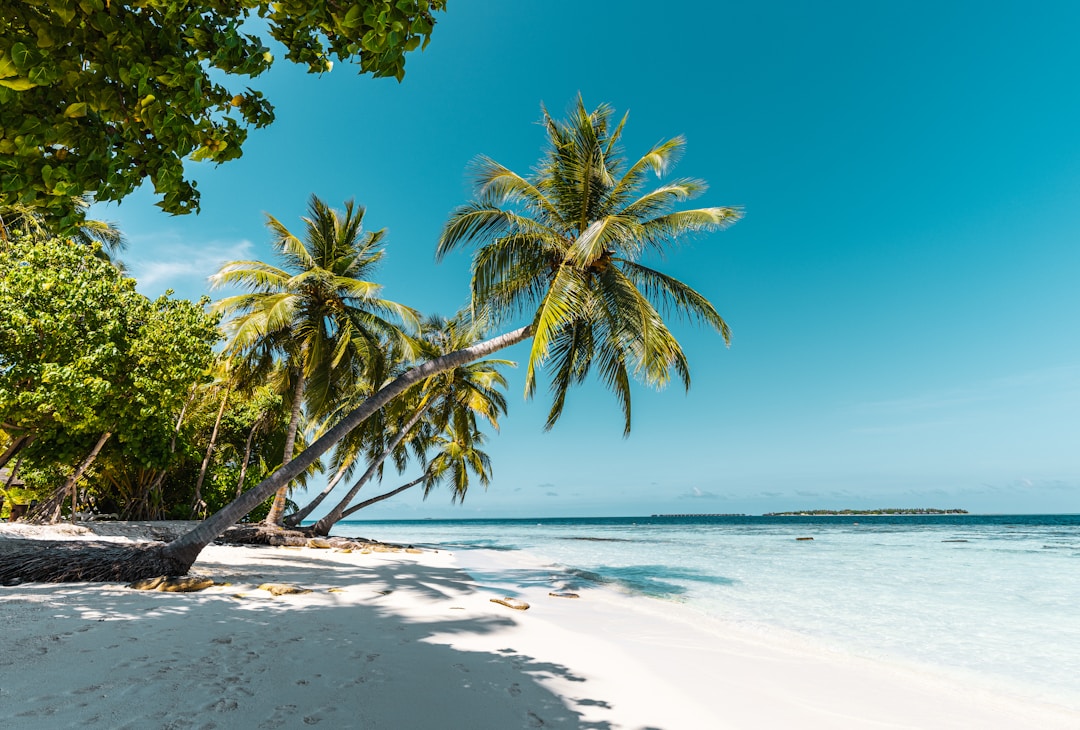
There's something primal about islands in board games. The geographic constraint — you're surrounded by water, resources are finite, space is limited — creates exactly the conditions that make compelling strategic situations. Everyone starts with the same landmass. Distribution, scarcity, and positioning all become immediately visible. And the tropical aesthetic is simply appealing.
Island-themed board games have been a consistent thread through tabletop gaming history. From the wood-and-tile abstractions of the 1970s to the rich illustrated experiences of today, tropical settings have inspired some of the most creative and engaging game designs available.
Here's a tour through the best of them.
Why Island Settings Work
The most practical advantage of an island setting is spatial clarity. Players can immediately see the full competitive environment. There's no off-board territory, no hidden landscape. The island is the world, and everything that matters happens within it.
This spatial clarity makes teaching easier. Players can grasp "here are the locations you can compete for" far faster than they can grasp an abstract positional system. The island map becomes a teaching aid — you point to the beach resort, the mountain village, the harbour, and everyone immediately understands what competing there means.
Island settings also leverage existing cultural associations. Tropical islands mean warmth, freshness, abundance of natural resources, and a slightly relaxed pace. These associations reduce cognitive load when learning a new game — the theme does some of the explanatory work so the rules don't have to.
The Best Island-Themed Board Games
Smoothie Wars — Tropical Business Competition
The standout entry in the genre for competitive economic play. Three to eight players compete as smoothie entrepreneurs across a tropical island, choosing locations, managing resources, and responding to competitors in a market environment that accurately models supply and demand dynamics.
What distinguishes Smoothie Wars from most island-themed games is that the setting is mechanically justified. Smoothies make sense in a tropical environment — the ingredient sourcing, the beachside customer base, the seasonal and locational variation in demand. The game isn't using a tropical veneer to dress up an unrelated mechanism; the mechanics and the setting are integrated.
The island map is detailed and attractive, with varied terrain creating strategic location differentiation: beachfront sites attract tourists but competition is fierce; inland spots serve locals more consistently; harbour locations have volume advantages. Each choice has genuine strategic implications.
For groups of 3-8, it's arguably the only genuine competitive strategy game set entirely on a tropical island at this level of economic complexity.
Spirit Island — Cooperative Tropical Defence
Completely different in tone but equally committed to its island setting. Players are the island's indigenous spirits, cooperating to repel colonial invaders who are destroying the land.
Spirit Island is mechanically rich in a way that rewards multiple plays. Each spirit has completely different abilities, and the combination of spirits determines team strategy. The island's features — its terrain types, the invader progression, the native inhabitants — all interact in ways that create genuinely different games each session.
This is a heavier game. Rules overhead is significant. But the island setting is deeply embedded in the mechanics, not cosmetic.
Best for: Cooperative gaming groups who enjoy complexity.
Survive: Escape from Atlantis — Survival Drama
A classic from 1982 with enduring appeal. The island is sinking. Players race to evacuate their people before the land disappears, battling sharks, whales, and sea serpents while trying to ensure their opponents don't make it.
Survive is lighter than the other entries here and openly ruthless. The island-sinking mechanic creates immediate urgency, and the sea monsters create enough chaos to make each game memorable. It's not strategically deep, but it's excellent fun for groups who enjoy competitive mayhem.
Best for: Mixed-age groups who want accessible, dramatic play.
Robinson Crusoe: Adventures on the Cursed Island — Survival Cooperation
One of the most thematically immersive cooperative games ever designed. Players are castaways working together to survive on an island, build shelter, gather food, and complete scenario objectives. The island generates events, dangers, and discoveries through a card-driven system.
Robinson Crusoe is difficult — possibly the most punishing cooperative game widely available. Groups will lose, often badly, and the losses will feel meaningful because the game has created genuine investment in survival.
Best for: Cooperative groups who enjoy narrative immersion and challenge.
Jamaica — Pirate Racing
A lighter family game set in the Caribbean. Players are pirate captains racing around the island of Jamaica, managing food and gold while fighting each other for resources. The tone is swashbuckling and cheerful.
Jamaica is deliberately accessible and works well with ages 8 and above. It doesn't offer strategic depth comparable to Smoothie Wars or Spirit Island, but as an introduction to nautical island adventure for younger players it's well-crafted.
Best for: Family gaming with children 8+.
Island Games by Category
| Game | Theme | Players | Time | Complexity | Best Skill |
|---|---|---|---|---|---|
| Smoothie Wars | Business competition | 3-8 | 45-60 min | Medium | Economic strategy |
| Spirit Island | Cooperative defence | 1-4 | 90-120 min | High | Systems thinking |
| Survive | Escape and sabotage | 2-4 | 45-60 min | Low-Medium | Chaos management |
| Robinson Crusoe | Survival cooperation | 1-4 | 90-150 min | High | Resource prioritisation |
| Jamaica | Pirate racing | 2-6 | 30-60 min | Low | Route optimisation |
The Mechanics of Tropical Island Games
Certain mechanics appear repeatedly in island-themed games, and they're not accidental:
Resource scarcity. Islands have finite resources. Almost every island-themed game incorporates some form of resource management — whether it's smoothie ingredients in Smoothie Wars, food and wood in Robinson Crusoe, or gold in Jamaica. The island setting makes resource limits feel natural rather than arbitrary.
Location value differentiation. Different parts of the island offer different strategic values. The beach attracts different customers than the mountain pass in Smoothie Wars; the inland areas generate different invasion threats than the coastline in Spirit Island. This spatial differentiation creates meaningful location choices that sustain strategic variety across multiple plays.
Environmental dynamics. Islands respond to what happens on them. In Spirit Island, the island changes as invaders settle and spread. In Robinson Crusoe, weather affects what's possible each round. In Smoothie Wars, demand levels shift as players compete for the same customer bases. The environment isn't static — it's a dynamic participant in the game.
If you're choosing an island-themed game for a group that's never played modern board games before, start with Jamaica or Smoothie Wars. Both are accessible to newcomers and immediately communicate their theme. Spirit Island and Robinson Crusoe are better for groups who already have some modern gaming experience.
Why Smoothie Wars Stands Out
Most island games use their setting as aesthetic framing — the tropical graphics create atmosphere, but the mechanics could in principle be reskinned to a different theme without significant loss.
Smoothie Wars is an exception. The tropical island setting is mechanically load-bearing. Fresh fruit availability, beachfront versus inland demand, the logic of a tourist economy, the "imaginary week" timeframe of a summer trading season — all of these are justified by the setting and embedded in the rules. The game couldn't be reskinned to, say, a medieval market economy without redesigning the core mechanics.
This integration is part of what makes it distinctive. The island isn't decoration; it's the world the game inhabits, and the game's logic flows from it.
FAQ
What is the best island-themed board game for families?
Smoothie Wars is the strongest recommendation for families with players aged 12 and above — the tropical setting immediately appeals, and the economic mechanics are accessible without being trivial. For younger children, Jamaica offers an accessible pirate adventure.
Are there island board games that work for large groups?
Most island-themed games are designed for four or fewer players. Smoothie Wars is a notable exception, supporting 3-8 players with the same quality of competitive experience across the full range.
What island board games teach real skills?
Smoothie Wars teaches supply and demand, competitive pricing, and resource allocation. Spirit Island develops systems thinking and cooperative strategy. Robinson Crusoe builds resource prioritisation and teamwork.
Are tropical-themed board games appropriate for children?
Many are, but check age ratings and complexity. Jamaica works from age eight. Smoothie Wars is rated 12+ and handles economic concepts that younger children may find difficult to grasp strategically (though they can still play and enjoy it). Robinson Crusoe is best from age fourteen.
Is Smoothie Wars the only business-themed island board game?
Essentially yes. Most island-themed games focus on survival, exploration, or adventure rather than business competition. Smoothie Wars is unusual — possibly unique — in combining a tropical island setting with genuinely economic competitive mechanics.