TL;DR
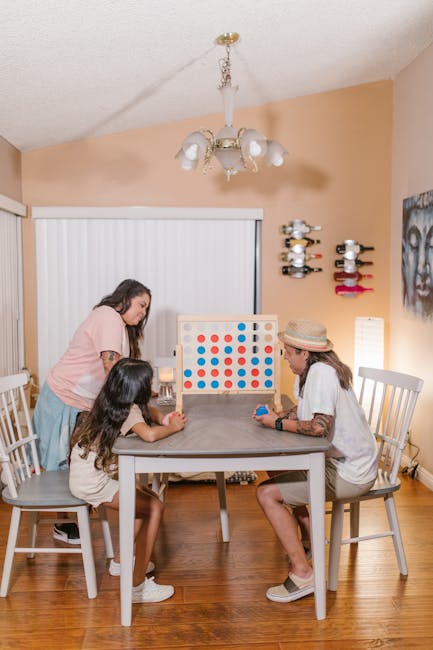
The 2025–2026 research on learning through play reaffirms the power of games to enhance cognitive development, social skills, and strategic thinking for children and adults. With strategy games like Smoothie Wars, families can explore real-world concepts like supply and demand while enjoying quality time together. Whether you're a parent or an educator, incorporating games into your learning programme is more impactful than ever.
Why Learning Through Play Matters in 2026
Imagine a classroom where learning feels like an adventure—a place where children actively engage in solving problems, managing resources, and thinking critically. Now, picture your living room transformed into a similar environment, with your family gathered around a board game like Smoothie Wars. This isn’t just fun; it’s an investment in cognitive and social development.
The concept of learning through play isn’t new, but the 2025–2026 research brings fresh insights into its effectiveness. Studies show that games, particularly strategy-based ones, can bridge the gap between theoretical knowledge and practical application. Whether you’re teaching children about business principles or helping them build social connections, games are proving to be invaluable tools.
The Science Behind Play: What’s New?
Recent research highlights the neurological and psychological benefits of play for learners of all ages. Key findings include:
- Enhancing executive functions: Games that require planning, decision-making, and resource allocation improve executive functioning skills, crucial for success in both school and life.
- Social-emotional learning: Cooperative and competitive games alike foster teamwork, empathy, and resilience.
- Real-world application: Strategy games like Smoothie Wars help players understand concepts like pricing strategy and cash flow without the need for dry textbooks.
A Table of Benefits: Play vs Traditional Learning
| Aspect | Learning Through Play | Traditional Methods |
|---|---|---|
| Engagement | High – interactive and fun | Varies – often passive |
| Retention of knowledge | Strong – concepts tied to memorable experiences | Moderate – relies on repetition |
| Social development | Enhanced – fosters collaboration and communication | Limited – often individual-focused |
| Real-world skills | Practical – hands-on learning (e.g., Smoothie Wars) | Abstract – theoretical focus |
It’s clear that play-based learning doesn’t just complement traditional methods; it often surpasses them in effectiveness.
What Parents Should Know
As a parent, you might wonder how to incorporate learning through play into your child’s routine. The good news? You don’t need to overhaul your life. Start small, with games designed to teach while entertaining. Smoothie Wars, for instance, is perfect for families with children aged 10 and up. It offers the right balance of competition and strategy, teaching business concepts in a way that feels like play—not work.
Tips for Making Play Educational
- Choose games with substance: Look for games that encourage critical thinking, like Smoothie Wars.
- Emphasise family time: Make game nights a regular tradition to strengthen bonds and learning.
- Encourage reflection: After playing, talk about the strategies used and lessons learned.
Insights for Educators
Educators are increasingly turning to games as part of their teaching toolkit. The 2025–2026 research highlights how games can be integrated into curriculums to teach complex subjects in an accessible way.
For example, Smoothie Wars can be used in lessons about economics, showing students how supply and demand impact pricing decisions. The game’s 3–8 player count makes it ideal for group activities, encouraging collaboration and debate.
Adapting Games to the Classroom
- Pair with lessons: Use games to reinforce key concepts already taught in class.
- Focus on skills: Highlight how gameplay develops critical thinking, negotiation, and resource management.
- Facilitate discussion: Allow students to share what they learned and how they applied it during the game.
The Role of Strategy Games in 2026
The popularity of strategy games has surged in recent years, and it’s easy to see why. These games, such as Smoothie Wars, teach players to think ahead, adapt to change, and make informed decisions—skills that are highly relevant in today’s complex world.
Why Strategy Games Stand Out
Strategy games offer more than entertainment. They challenge players to:
- Plan and execute strategies
- Manage resources effectively
- Compete and collaborate in dynamic environments
Smoothie Wars exemplifies this, making it a standout choice for both families and educators seeking meaningful play experiences.
FAQ: Learning Through Play
What age group benefits most from learning through play?
While play is beneficial for all ages, research shows that children aged 8–14 gain the most from strategy-based games like Smoothie Wars. These games help develop critical thinking and social skills during a crucial stage of cognitive growth.
Are board games better than digital games for learning?
Both have their strengths. However, board games like Smoothie Wars often encourage face-to-face interaction and deeper engagement, making them ideal for family settings and classrooms.
How long should play-based learning sessions be?
Sessions lasting 45–60 minutes tend to be most effective, providing ample time for immersion without overstaying their welcome. Smoothie Wars fits perfectly into this timeframe.
Can games really teach complex subjects like economics?
Absolutely. Games like Smoothie Wars are designed to simplify and simulate real-world concepts such as supply and demand, resource management, and pricing strategy, making them accessible and engaging.
Is Smoothie Wars suitable for beginners?
Yes! Smoothie Wars is easy to learn but offers enough depth to keep players coming back. It’s perfect for families and educators looking to introduce strategy-based learning.
Ready to bring learning through play into your home or classroom? Discover Smoothie Wars and other premium board games designed for fun and education at our shop.