TL;DR
Board games can be a powerful alternative to screen time, promoting family bonding, cognitive skills, and even emotional well-being. Research shows that games like Smoothie Wars not only entertain but also teach valuable lessons about strategy, resource management, and teamwork. Ready to reclaim your family time? Let’s explore why board games might just be the screen-free solution you’ve been looking for.
Are Board Games the Answer to Screen Overload?
It’s no secret: screens are everywhere. Whether it’s smartphones, tablets, gaming consoles, or TVs, technology has become a fixture of modern life. While the benefits of digital tools are undeniable, many parents worry about the effects of excessive screen time on their children.
The good news? Researchers agree that board games offer an engaging and effective way to unplug while fostering meaningful connections and real-world skills. And before you ask, no—they’re not just for young children. Games like Smoothie Wars, designed for those aged 10 and up, prove that board games can captivate older kids, teens, and even adults.
But what does the research really say about board games as a screen-time alternative? Let’s break it down.
What Science Says About Screen Time and Family Dynamics
Studies show that excessive screen time can have a profound impact on children’s physical and mental health. It’s linked to issues like disrupted sleep, reduced attention spans, and even anxiety. What’s more, too much screen time often replaces opportunities for family bonding and face-to-face interactions.
One study published by the British Journal of Developmental Psychology found that families who participated in shared, screen-free activities—such as playing board games—reported stronger relationships and improved communication. Board games offer something screens often can’t: a chance to engage directly with your loved ones in a distraction-free environment.
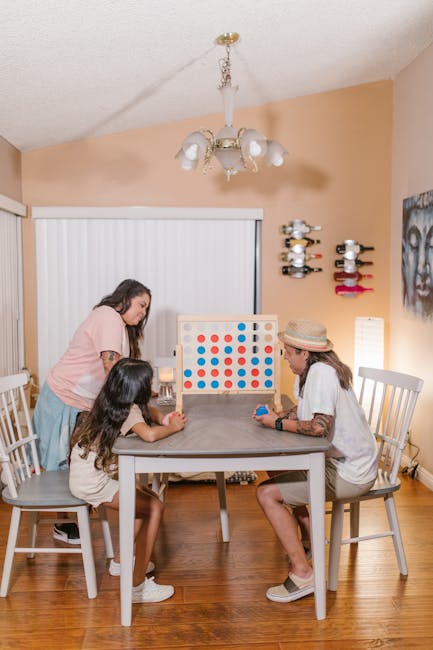
Imagine this: instead of everyone retreating to their individual devices after dinner, the family gathers around the table for a game of Smoothie Wars. Players take on the role of smoothie entrepreneurs, making strategic decisions about pricing, resource management, and supply chains. It’s fun, educational, and, most importantly, it brings everyone together.
Cognitive and Social Benefits of Board Games
Beyond their ability to reduce screen time, board games have been shown to offer a host of cognitive and social benefits. Educational researchers have long highlighted how games can help children develop critical thinking, problem-solving, and even mathematical skills.
Consider a strategy game like Smoothie Wars. It challenges players to think several steps ahead, anticipate competitors’ moves, and adapt their strategies based on changing market conditions. These are the same skills that are crucial for success in the real world, whether managing a business or simply navigating everyday challenges.
But it’s not just about brainpower. Board games also encourage social skills like teamwork, negotiation, and conflict resolution. For example, in Smoothie Wars, players must weigh the risks and rewards of competing for resources. The ability to compromise and collaborate can prepare kids for real-world situations, from group projects at school to future workplaces.
| Benefit | Why It Matters |
|---|---|
| Improved critical thinking | Strategy games challenge players to plan and anticipate moves. |
| Enhanced social skills | Players practice negotiation, cooperation, and communication. |
| Reduced stress | Shared activities foster laughter and relaxation. |
The Emotional Side of Unplugging
It’s not just about skills and relationships—board games can also contribute to emotional well-being. Psychologists suggest that playing games can reduce stress and improve mood. The act of laughing together or achieving a shared goal releases endorphins, the body’s natural “feel-good” chemicals.
For children, who might struggle with the pressures of school or social media, this break from screens can be invaluable. A well-designed game like Smoothie Wars offers a structured yet playful environment where kids can focus on the task at hand, free from the distractions of notifications and online comparisons.
And let’s not forget: parents benefit too. Sharing a game night with your children allows you to step away from work emails and daily stressors, creating a space where everyone can simply enjoy the moment.
How to Transition from Screens to Board Games
Switching from screen time to board game time doesn’t have to be a battle of wills. The key is to make it fun, not forced. Here are a few tips to ease the transition:
- Start Small: Introduce a game that’s easy to learn and play, like Smoothie Wars. Its 45–60 minute playtime is just the right length for beginners.
- Set a Schedule: Establish a dedicated game night each week, so everyone knows when to unplug.
- Make It Special: Turn game night into an event with snacks, music, and a cosy setup.
- Get Everyone Involved: Let each family member take turns choosing the game to keep things fair and exciting.
- Celebrate Wins: Whether it’s a creative strategy in Smoothie Wars or a hard-fought victory, acknowledge everyone’s efforts to keep the mood positive.
Why Smoothie Wars Stands Out
With so many board games to choose from, why should Smoothie Wars earn a spot on your shelf? For starters, it’s designed for 3–8 players, making it ideal for both small families and larger gatherings. It’s suitable for children aged 10 and up, meaning even your tweens and teens can join in the fun.
But what really sets Smoothie Wars apart is its educational angle. Players aren’t just competing to win—they’re learning real business concepts like supply and demand, pricing strategies, and cash flow management. These lessons are woven seamlessly into the gameplay, proving that education and entertainment can go hand in hand.
FAQ: Common Questions About Board Games and Screen Time
Are board games really better than screens for kids?
Yes, research consistently shows that board games promote face-to-face interaction, cognitive development, and emotional well-being in ways that screens cannot. That’s not to say screens are inherently bad, but balance is key. Board games like Smoothie Wars offer a way to spend quality time together while learning valuable skills.
What if my kids find board games boring?
The key is choosing the right game. Look for something age-appropriate with engaging themes and mechanics. Smoothie Wars, for example, combines strategy with the fun of running a smoothie empire, making it a hit with both kids and adults.
How often should we play board games as a family?
There’s no one-size-fits-all answer, but even just one game night per week can make a significant difference. It’s less about the frequency and more about the quality of the time spent together.
Can board games really teach life skills?
Absolutely. Board games have been used in educational settings for decades to teach everything from maths to teamwork. A game like Smoothie Wars takes it a step further by introducing players to business concepts in an engaging, hands-on way.
Are board games suitable for older kids and teenagers?
Definitely. Many modern board games, including Smoothie Wars, are designed to challenge older players with complex strategies and competitive gameplay. They’re far removed from the simple games of chance you might remember from childhood.
Ready to swap screen time for meaningful family fun? Explore our collection of strategy games, including Smoothie Wars, in our online shop.