TL;DR
The UK educational toy market is forecasted to hit £1.2 billion by 2026, driven by rising demand for toys that combine learning and fun. Parents and educators are favouring products that teach real-world concepts, such as business strategy and resource management. Smoothie Wars, a premium strategy board game, stands out as an ideal choice for families and schools looking to mix entertainment with valuable life skills.
The UK’s Educational Toy Market: A £1.2 Billion Milestone
The UK educational toy market is booming — and by 2026, it’s set to reach an impressive £1.2 billion. This remarkable growth highlights a shift in priorities among parents, educators, and even kids themselves. Toys that entertain while teaching essential skills are no longer a luxury; they’re becoming a necessity.
Why? Because they offer something invaluable: a way to bridge the gap between playtime and real-world learning. Whether it’s teaching problem-solving, teamwork, or business concepts, these toys are reshaping childhood experiences.
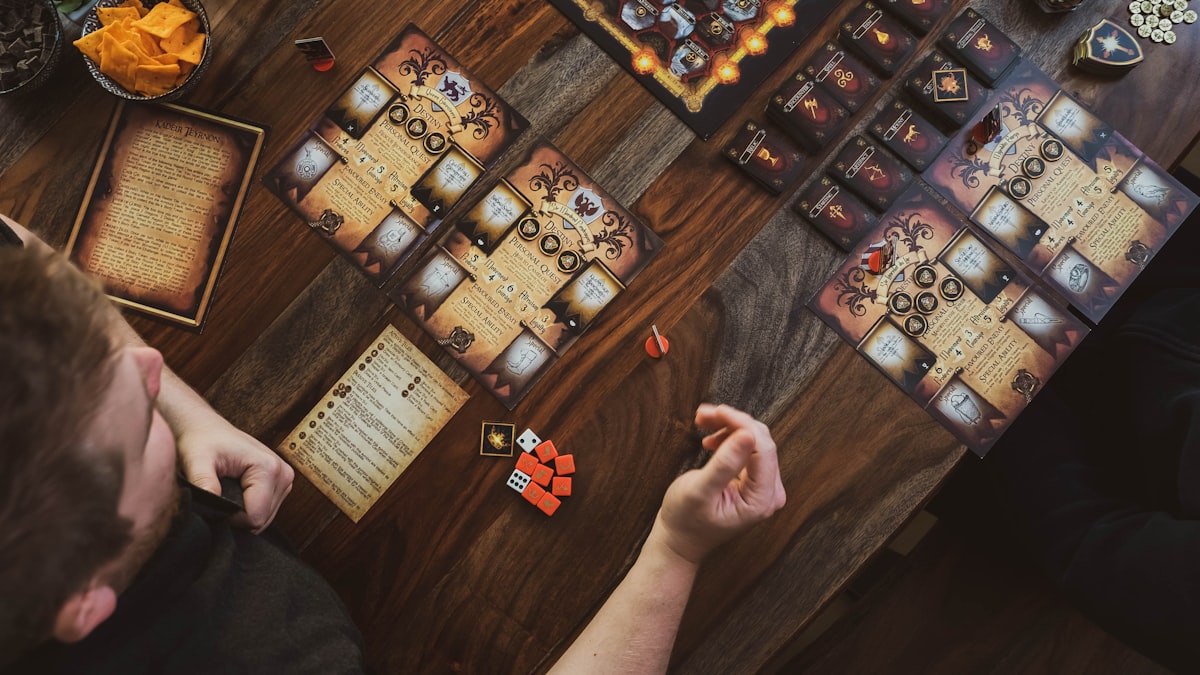
Smoothie Wars is a perfect example. This strategy board game for ages 10+ introduces players to supply and demand, pricing strategy, and resource management. With its 3–8 player count, it’s an engaging choice for family nights or classroom activities. But what’s driving demand for educational toys like Smoothie Wars?
Shifting Consumer Priorities
Today’s parents are increasingly focused on preparing their children for the future. According to industry analysts, 65% of jobs that today’s kids will hold in 20 years don’t even exist yet. This uncertainty is pushing parents to seek out tools that develop critical thinking, adaptability, and collaboration — skills that transcend specific industries.
Educational toys fit the bill. They offer hands-on learning experiences that help children develop cognitive and social abilities. Take Smoothie Wars, for instance. The game immerses players in a competitive marketplace where they must balance cash flow, manage resources, and adapt to fluctuating demand. It’s not just fun; it’s a lesson in entrepreneurship disguised as gameplay.
The Role of Schools and Educational Programmes
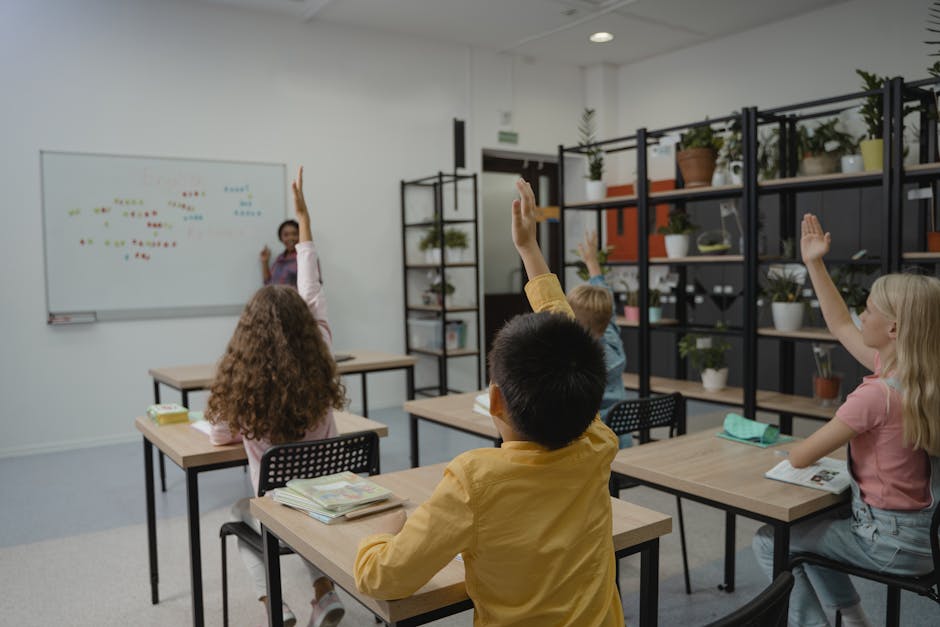
Schools have also started to embrace educational toys as tools to enhance learning. With the rise of gamification in education, teachers are incorporating games into their lesson plans to make complex topics more approachable.
Board games like Smoothie Wars are particularly effective in this context. The game’s mechanics align closely with business studies curricula, offering a practical way to teach concepts such as pricing and resource allocation. Plus, its 45–60 minute playtime fits neatly into classroom schedules.
Here’s a quick comparison of common educational toy categories and their benefits:
| Toy Type | Key Skills Developed | Example Products |
|---|---|---|
| Strategy Board Games | Problem-solving, teamwork, business concepts | Smoothie Wars, Settlers of Catan |
| STEM Kits | Science, technology, engineering, maths | LEGO Mindstorms, Snap Circuits |
| Language Learning Toys | Vocabulary, comprehension, communication | LeapFrog, Osmo Reading |
| Creative Playsets | Imagination, artistic skills, storytelling | Play-Doh Creativity Centre |
Smoothie Wars stands out in the strategy games category, blending fun gameplay with real-world business lessons — perfect for school settings or family gatherings.
The Impact of Digital Alternatives
Despite the rise of digital education apps and online learning tools, physical toys remain a cornerstone of childhood development. Why? Because they offer sensory experiences that screens simply can’t replicate.
While apps can teach coding or maths skills, they often lack the tactile engagement and social interaction that board games provide. Smoothie Wars, for example, encourages face-to-face collaboration and negotiation — skills that are critical in both personal and professional life.
Interestingly, hybrid toys are emerging as a middle ground. Products that combine physical play with digital elements are becoming increasingly popular, offering the best of both worlds. But traditional board games like Smoothie Wars prove that sometimes, simplicity wins.
Trends Driving Growth in 2026
Several key trends are propelling the educational toy market forward:
1. Sustainability
Parents are prioritising toys made from eco-friendly materials. Companies are responding with wooden playsets, recycled plastics, and biodegradable packaging. While Smoothie Wars uses standard materials, its educational focus aligns with the values of environmentally conscious families.
2. Customisation
Personalised toys are gaining traction, from custom puzzles to tailored board games. While Smoothie Wars isn’t customisable, its flexibility for different player counts (3–8) makes it adaptable for various group sizes and dynamics.
3. Life Skills Learning
Toys that teach practical life skills — budgeting, teamwork, negotiation — are in high demand. Smoothie Wars epitomises this trend, offering a fun way to learn business strategies that apply far beyond the game board.
4. Multi-Generational Appeal
Families are looking for games that bridge age gaps. Smoothie Wars, designed for ages 10+, is a prime example. Its engaging mechanics appeal to kids, teens, and adults alike, making it perfect for family game nights.
Smoothie Wars: A Case Study in Educational Gaming
Let’s talk specifics. Smoothie Wars isn’t just a game; it’s a tool for teaching essential business principles. Players compete to run the most successful smoothie stand, navigating challenges like fluctuating demand and limited resources. The game’s competitive yet collaborative nature mirrors real-world business environments, making it both entertaining and educational.
And the best part? It’s accessible. With straightforward rules and a manageable playtime, Smoothie Wars is easy to pick up — whether you’re 10 or 50. This blend of simplicity and depth is what sets it apart in the educational toy market.
FAQs About the UK Educational Toy Market
Why is the UK educational toy market growing so rapidly?
The growth is driven by rising demand for toys that combine fun with learning, alongside increased awareness of the importance of life skills in childhood development.
How do educational toys benefit children?
They help develop essential skills like critical thinking, problem-solving, and collaboration, preparing kids for future challenges in school and beyond.
Is Smoothie Wars suitable for classrooms?
Absolutely. With its focus on business concepts like supply and demand, Smoothie Wars aligns well with educational programmes and can be used as a teaching tool.
Are digital toys replacing traditional ones?
No. While digital toys are popular, physical toys like board games offer unique sensory and social experiences that screens can’t replicate.
What makes Smoothie Wars stand out in the educational toy market?
Its combination of fun gameplay, accessibility, and focus on critical business concepts makes it a standout choice for families and educators alike.
Where can I buy Smoothie Wars?
You can find Smoothie Wars in our online shop. Explore our full range today and bring home the ultimate educational strategy game: Smoothie Wars.