TL;DR
The best family board games balance accessibility (easy to learn), engagement (fun for both kids and adults), and replay value. Top picks include "Ticket to Ride" (ages 8+, 60 min), "Splendor" (ages 10+, 30 min), "Catan" (ages 10+, 60-90 min), and "Carcassonne" (ages 7+, 30-45 min). Games should accommodate your group's age range, preferred playtime, and whether you want pure fun or hidden educational value.
Why Family Board Games Matter More Than You Think
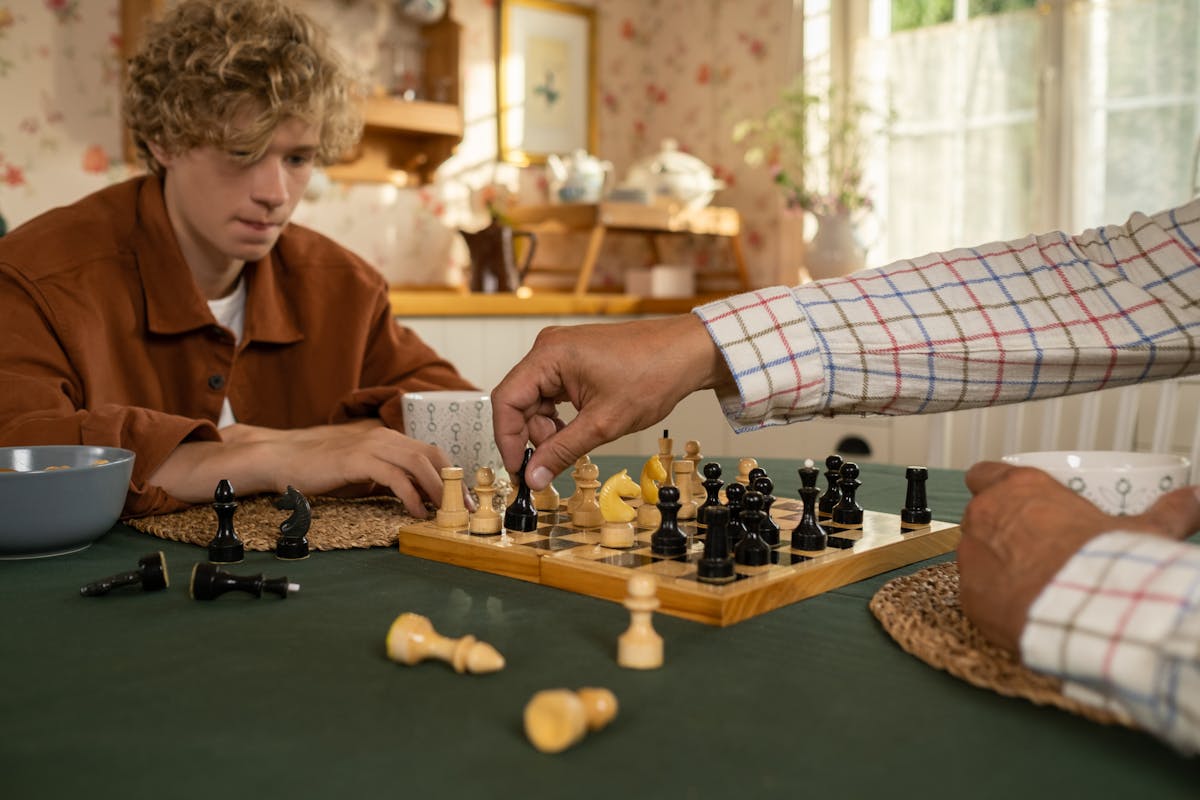
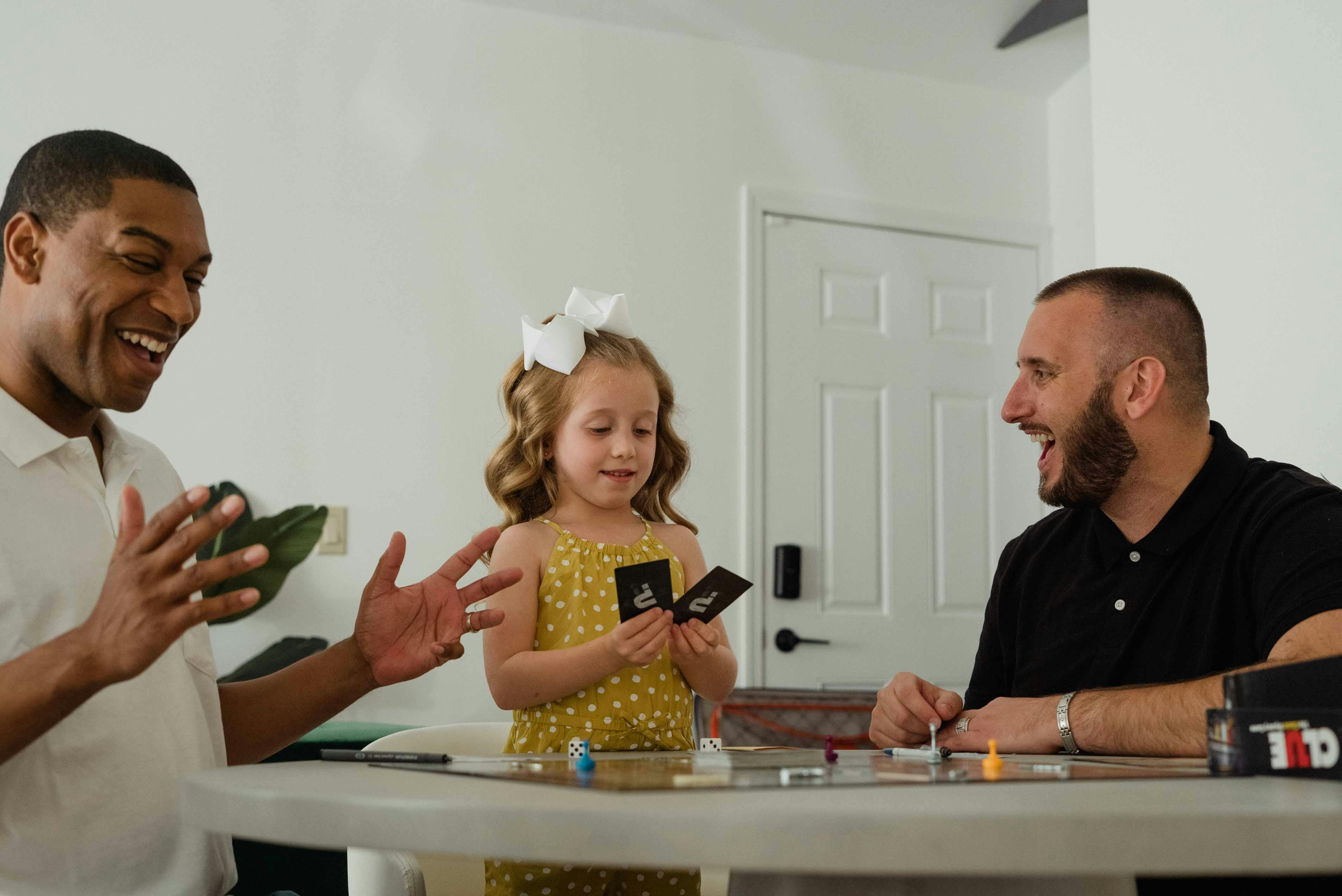
Family game nights aren't just entertainment. They're becoming rare in an age of screens. When a family gathers around a board, something shifts. There's genuine interaction, laughter, occasional healthy competition, and—most importantly—undistracted time together.
But not every game works for families. Some demand too much reading (frustrating for younger players). Others are too simple for adults (boring after one round). The best family board games thread a needle: genuinely fun for everyone, regardless of age or gaming experience.
What Makes a Great Family Board Game?
Accessibility: Rules fit on 2-3 pages. Teaching takes 10-15 minutes, not an hour lecture.
Multigenerational Appeal: Parents find it genuinely engaging, not just "tolerable." Kids feel challenged, not bored.
Play Time: Ideally 30-90 minutes. Long enough to feel substantial, short enough for weeknight play.
Replayability: Different strategies work. Players want a rematch, not "just once more before we never touch this again."
Inclusive Mechanics: No single player dominates. Everyone has meaningful choices.
The 25 Best Family Board Games, Ranked
Top Tier: The Gateway Games (Perfect Starting Point)
1. Ticket to Ride
- Ages: 8+ | Players: 2-5 | Time: 45-60 min
- Why it works: Beautiful, simple concept (build train routes). Adults find genuine strategy; kids find satisfying progress.
- Best for: First family game, ages 8-18+
2. Catan
- Ages: 10+ | Players: 3-4 | Time: 60-90 min
- Why it works: Resource trading, negotiation, genuine competition without anyone getting eliminated.
- Best for: Groups who want strategy and interaction, regular play
3. Splendor
- Ages: 10+ | Players: 2-4 | Time: 30 min
- Why it works: Elegant economic engine. Fast, replayable, appeals to kids and strategy enthusiasts alike.
- Best for: Families with limited time, quick-turnaround games
4. Carcassonne
- Ages: 7+ | Players: 2-5 | Time: 30-45 min
- Why it works: Tile-placing, collaborative storytelling, no reading required. Kids and adults compete on equal footing.
- Best for: Visual learners, younger age groups (7+)
Strong Performers: Engaging for Everyone
5. Dominion
- Ages: 13+ | Players: 2-4 | Time: 30-45 min
- Why it works: Deck-building engine. Each game feels different; strategy deepens over plays.
- Best for: Groups that enjoy building systems
6. Stone Age
- Ages: 10+ | Players: 2-4 | Time: 60-90 min
- Why it works: Worker placement with a hunting mini-game. Educational (resource management) without feeling preachy.
- Best for: Families seeking gentle educational value
7. Azul
- Ages: 8+ | Players: 2-4 | Time: 30-45 min
- Why it works: Gorgeous tiles, simple rules, deep tile-placement strategy.
- Best for: Aesthetically minded families, abstract thinkers
8. 7 Wonders
- Ages: 10+ | Players: 2-7 | Time: 45-60 min
- Why it works: Simultaneous play means no downtime waiting. Each player builds a civilization; fascinating interaction.
- Best for: Larger family groups
9. Oink!
- Ages: 6+ | Players: 2-6 | Time: 20-30 min
- Why it works: Deduction game. Simple rules, hilarious moments, teaches logical thinking through play.
- Best for: Families with younger kids (6+)
10. Roll for the Galaxy
- Ages: 13+ | Players: 2-5 | Time: 45-60 min
- Why it works: Dice rolling with strategy. Satisfying progression, teaches probability naturally.
- Best for: Groups who like a luck+strategy mix
Specialist Recommendations by Preference
For Creative Families
11. Dixit
- Storytelling through abstract art. Imagination-driven, non-competitive, hilarious.
12. Telestrations
- Draw-and-guess game with escalating absurdity. Gets sillier as it progresses.
For Competitive Spirits
13. Small World
- Risk-style territory control, but 90-120 minutes instead of 4 hours. Multiple paths to victory prevent runaway winners.
14. King of Tokyo
- Roll dice, feed your monster cookies, build powers. Chaos mixed with genuine strategy.
15. Puerto Rico
- More complex (ages 13+), but stunning depth. Economic simulation that feels like real trading.
For Word-Lovers
16. Codenames
- Spy-themed word association. Teams cooperate, wordplay and deduction shine.
17. Bananagrams
- Speed word-building without the grid constraints of Scrabble. Faster, more chaotic, more fun for families.
For Young Kids (Ages 6-8)
18. Hoot Owl Hoot
- Co-operative (everyone wins or loses together). Reduces pressure, builds teamwork.
19. Candy Land (Modern Alternative: Treehouse Turmoil)
- Classic, but pure luck. Modern alternatives add light strategy.
20. Snort!
- Roll dice, move your pig, silly sound effects. Pure fun for young kids.
Hidden Gems Worth Discovering
21. Arboretum
- Card game disguised as a tree-planting game. Simple rules, surprising depth.
22. Love Letter
- Quick deduction game (15 min). Teaches reading people through card elimination.
23. Patchwork
- Two-player quilt-building game. Cozy theme, genuine strategy, surprising depth for such a small box.
24. Calico
- Cooperative quilt-making (ages 10+). Beautiful, collaborative, teaches pattern recognition.
25. Smoothie Wars
- Strategy game teaching business basics. Players manage resources, compete for markets, learn economics through 45-60 minute gameplay. Excellent for ages 12+, scales 3-8 players.
How to Choose the Right Game for Your Family
Consider Your Age Mix
- Ages 6-8 mostly: Focus on games 1-3 playing time, minimal reading. Hoot Owl Hoot, Candy Land alternatives, Snort.
- Ages 8-12 with older adults: Ticket to Ride, Carcassonne, Azul, Splendor, Catan Junior (simplified).
- Teens and adults: Catan, Splendor, Dominion, Puerto Rico, Smoothie Wars, Stone Age.
- Multigenerational (6-80): Ticket to Ride, Carcassonne, Catan, Splendor—all tested across age ranges.
Choose by Time Available
- 15-30 minutes: Splendor, Azul, Love Letter, Bananagrams, Codenames.
- 45-60 minutes: Ticket to Ride, Carcassonne, Dominion, Stone Age, Smoothie Wars.
- 60-90+ minutes: Catan, 7 Wonders, Puerto Rico, Small World.
Choose by Group Personality
- Competitive: Catan, Small World, King of Tokyo, Ticket to Ride.
- Cooperative: Hoot Owl Hoot, Calico, pandemic-style games.
- Social/Negotiation-heavy: Catan (trading is key), Splendor (player interaction subtle).
- Strategic: Splendor, Dominion, Puerto Rico, Smoothie Wars.
- Silly/Fun-focused: Telestrations, King of Tokyo, Codenames.
Essential Family Game Night Tips
Rule #1: Start Simple
Begin with light rules (Ticket to Ride, Carcassonne). Let everyone gain confidence before moving to medium-weight games (Catan, Splendor). Don't teach advanced rules the first time.
Rule #2: Level the Competitive Field
If an older kid dominates repeatedly, it's no fun for others. Consider handicaps (they get fewer resources) or rotating roles (everyone plays someone different each game).
Rule #3: Keep It Snappy
Set a time limit for individual turns, especially with strategic games. If one person takes 10 minutes deciding their move, others get bored.
Rule #4: Embrace the Social Element
The game is secondary to the interaction. It's fine if someone loses early in Dominion—they can still cheer and comment on others' plays.
Frequently Asked Questions
Q: Can younger kids (4-6) play family board games? A: Yes, but stick to games with minimal rules and reading. Hoot Owl Hoot, Candy Land alternatives, and Snort work. Games designed for 8+ are too complex.
Q: What if we're a family of two adults and one young kid? A: Carcassonne and Catan Junior shine here. Many games scale 2-4 players but feel different at player counts—check the manual.
Q: How often should we play? A: Once weekly is ideal for habit-building. Monthly is still great. The frequency matters less than consistency.
Q: My family plays every night—won't we get bored? A: Not if you rotate games. Five games in rotation (Ticket to Ride, Splendor, Catan, Azul, one strategic game) give months of variety.
Q: Are board games better than video games? A: Different. Board games offer face-to-face interaction and rule-based strategy. Video games offer other values. Both can be part of family life.
The Deeper Magic of Family Board Games
The statistics are striking: families that play games together report stronger relationships, better communication, and more enjoyable time together. But numbers don't capture the real magic—it's the moment when your 8-year-old outwits their parent at Splendor, or the whole family erupts laughing at a ridiculous Telestrations drawing.
Board games aren't just games. They're permission to be together, undistracted, for an hour. In that time, something genuine happens.
Pick one from the list above. Teach it. Play it. Then watch what happens next.
What's your family's favourite board game? Share in the comments below.