TL;DR
Complete tournament guide covers: choosing format (Swiss vs. elimination vs. round-robin), participant capacity planning (1 game per 4 players), venue requirements, scheduling (45 min per round + 15 min transitions), registration and seeding, rules adjudication, prizes and recognition, promotion and recruitment, equipment checklist, volunteer roles, troubleshooting common issues, and post-event follow-up. Includes templates for all planning documents.
You've played Smoothie Wars dozens of times. Your local game group is obsessed. Someone says, "We should run a proper tournament." Everyone agrees enthusiastically.
Then comes the reality: How do you actually organize a tournament? What format? How many rounds? Where do you host it? What about prizes, rules disputes, promotion?
I've organized 12 Smoothie Wars tournaments ranging from 8-player local events to 64-player regional championships. I've made every organizational mistake possible (double-booking venues, miscalculating round timings, forgetting scoresheets), learned from them, and refined the process.
This guide gives you the complete playbook: everything you need to run a smooth, professional Smoothie Wars tournament from 8 to 64 players. Whether you're a teacher organizing a school championship, a game café owner running a promotional event, or a community organizer creating local competitions, this covers you.
Tournament Format Comparison
First decision: what competitive structure?
Format 1: Swiss System (Recommended for Most Tournaments)
How it works:
- Everyone plays same number of rounds (typically 4-5)
- Round 1: Random pairings
- Round 2+: Pair players with similar records (winners vs. winners, losers vs. losers)
- After all rounds, player with highest cumulative profit wins
Advantages: ✓ Nobody eliminated (everyone plays all rounds) ✓ Skill-based pairing (progressively harder opponents as you win) ✓ Fair (consistency rewarded over single-game variance) ✓ Social (everyone stays involved all day)
Disadvantages:
- Requires software or manual pairing calculations (slightly complex admin)
- Less dramatic than elimination (no "sudden death" pressure)
Best for: 16-64 player tournaments, full-day events, when fairness > drama
Rounds needed:
- 8 players: 3 rounds
- 16 players: 4 rounds
- 32 players: 5 rounds
- 64 players: 6 rounds
Format 2: Single Elimination (Most Dramatic)
How it works:
- Bracket format (winners advance, losers eliminated)
- 32 players → 16 → 8 → 4 → 2 → 1 champion
Advantages: ✓ High drama (every game is elimination) ✓ Simple to understand (bracket charts are intuitive) ✓ Fast (log₂(n) rounds—32 players = 5 rounds)
Disadvantages:
- Half field eliminated each round (lose Game 1 = you're done after 45 min)
- Luck matters more (one bad game ends your tournament)
- Unfair (bracket side matters—harder opponents on one side)
Best for: Short tournaments (one evening), when drama matters, smaller fields (8-16 players)
Format 3: Round-Robin (Most Fair, Least Practical)
How it works:
- Everyone plays everyone else once
- Most wins (or highest cumulative profit) wins tournament
Advantages: ✓ Perfectly fair (every matchup occurs) ✓ Eliminates bracket luck
Disadvantages:
- Games required: n×(n-1)/2 (8 players = 28 games, impractical)
- Time-intensive (all-day for even 6 players)
Best for: Small invitational events (4-8 top players), championship finals
My Recommendation
16+ players: Swiss (fairest, everyone plays) 8-12 players: Modified Swiss (3 rounds) or Elimination (if time-limited) 4-6 players: Round-robin (everyone plays everyone)
Step-by-Step Planning Timeline
How to organize over 8 weeks.
8 Weeks Before: Foundational Decisions
Checklist:
- Choose date and time (weekend preferred, avoid school holidays if targeting families)
- Book venue (game shop, community center, school hall)
- Decide format (Swiss, elimination, etc.)
- Set participant cap (based on equipment and space)
- Create registration form (Google Forms works)
- Set registration fee (£5-10 typical, covers prizes/venue)
6 Weeks Before: Promotion Launch
Checklist:
- Create event poster/flyer
- Post on social media (Facebook events, local gaming groups)
- Email past participants (if repeat tournament)
- Contact local schools, game shops (ask them to promote)
- Set registration deadline (1 week before event)
4 Weeks Before: Logistics Planning
Checklist:
- Confirm venue booking (pay deposit if required)
- Purchase/arrange prizes (trophies, game copies, vouchers)
- Recruit volunteers (2-4 people: registration desk, score tracking, rules judge)
- Create printed materials (scoresheets, bracket charts, rules FAQ)
- Order additional game copies if needed (1 per 4 players)
2 Weeks Before: Final Preparation
Checklist:
- Close registration, confirm participant count
- Generate pairings (Round 1 random, Swiss algorithm for later rounds)
- Prepare venue layout (table arrangement, signage)
- Brief volunteers on roles
- Send participant email (start time, what to bring, rules link)
1 Week Before: Details Locked
Checklist:
- Print all materials (scoresheets, pairings, rules)
- Confirm prizes arrived
- Test venue setup (tables, chairs, lighting sufficient?)
- Prepare opening announcement script
- Contingency plans (what if 4 players no-show?)
Day Before: Final Check
Checklist:
- Pack all materials (games, scoresheets, pens, prizes, laptop for scoring)
- Charge devices (laptop, phone, timers)
- Confirm volunteer attendance
- Review rules FAQ (brush up on edge cases)
Tournament Day: Execution
Timeline:
- 9:00-9:30am: Setup venue
- 9:30-10:00am: Registration opens, participants arrive
- 10:00-10:10am: Opening announcements, rules briefing
- 10:10-11:00am: Round 1 (45 min + 5 min scoring)
- 11:00-11:15am: Break, Round 2 pairings
- 11:15-12:05pm: Round 2
- 12:05-12:45pm: Lunch break
- 12:45-1:35pm: Round 3
- 1:35-1:50pm: Break, Round 4 pairings (top tables)
- 1:50-2:40pm: Round 4 finals
- 2:40-3:00pm: Scoring, prize ceremony, closing
Total time: 6 hours for 4-round Swiss (32 players)
Venue Requirements and Setup Diagrams
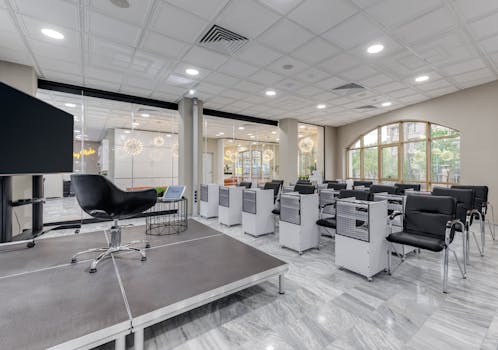
Space Calculation
Per game: 1 table (3ft × 3ft minimum) + 4 chairs = ~6ft × 4ft space
For 32 players (8 simultaneous games):
- 8 tables + circulation space = ~400 sq ft minimum
- Comfortable: 600 sq ft (allows movement between tables)
Venue options:
- School hall
- Community centre
- Game shop back room
- Church hall
- Library meeting room
Requirements:
- Tables and chairs (sufficient quantity)
- Good lighting (reading small cards)
- Minimal noise (no construction next door)
- Toilets and water access
- Parking (if participants driving)
Table Layout
Optimal arrangement:
[Table 1] [Table 2] [Table 3] [Table 4]

    [Walkway - 3ft minimum]

[Table 5] [Table 6] [Table 7] [Table 8]

    [Walkway]

[Registration] [Prizes] [Scorekeeper]
Spacing: 3ft between tables (allows players to walk through, organizers to circulate)
Signage: Number each table clearly ("Table 1," "Table 2," etc.)—pairings reference table numbers
Equipment Checklist
Games and Components
- 1 Smoothie Wars set per 4 players (8 games for 32 players)
- Spare components (in case pieces go missing during event)
- Rulebook copies (1 per table minimum)
Scoring and Admin
- Scoresheets (3 per player—1 per Round 1-3, plus spares)
- Pens/pencils (20+ needed)
- Laptop with Swiss pairing software (or manual bracket charts)
- Printer (for printing updated pairings between rounds)
- Calculator (verifying scores)
Timing and Communication
- Timers (1 per table, or central clock visible to all)
- Bell or horn (signal end of round)
- Microphone/PA system (if venue large, for announcements)
Player Comfort
- Water station
- Snacks (optional, but appreciated)
- First aid kit (minor—plasters for papercuts, etc.)
Prizes and Recognition
- 1st place trophy/prize
- 2nd-3rd place prizes
- Participation certificates (everyone gets one)
- Special awards (Best Comeback, Most Strategic Play, Spirit of the Game)
Registration Process and Seeding
Online Registration
Use: Google Forms, Eventbrite, or similar
Collect:
- Name
- Experience level (Beginner / Intermediate / Advanced)
- Dietary requirements (if providing food)
- Emergency contact
Registration fee: £5-10 (covers venue, prizes, materials)
Seeding (If Applicable)
Swiss format: Usually don't seed (Round 1 random)
Elimination format: Seed top players (based on past performance, experience level) to avoid them meeting early in bracket.
How to seed:
- #1 seed vs. #16 seed
- #2 seed vs. #15 seed
- Etc.
(Prevents all strong players on one bracket side)
Rules Adjudication and FAQ
Common disputes and rulings.
Pre-Tournament Rules Briefing
Before Round 1, announce:
"Quick rules clarifications:
- Prices are simultaneous: Write your price down, reveal together (no changing after seeing opponents)
- Cash must be exact: Track precisely, no rounding
- Disputes: Raise hand, judge will rule, decision is final
- Time limit: 45 minutes per round, finish your game within that
- Sportsmanship: Competitive but respectful, no unsportsmanlike conduct
Any questions before we start?"
Common Dispute Rulings
"Can I take back my ingredient purchase?" Ruling: In tournament: No (purchases are binding). Consider allowing one "undo" for obvious misclicks/miscounts in early rounds (be consistent).
"Opponent is taking too long—can I enforce time limit?" Ruling: Yes. If 45-minute round limit exceeded, current turn completes but no new turns begin. Whoever's ahead wins.
"Demand card was unclear—which locations count as 'coastal'?" Ruling: Prepare FAQ defining ambiguous terms beforehand. Post-game: Update FAQ for next tournament.
Prize Structures and Recognition Ideas
Prize Budget
£100 total budget allocation:
- 1st place: £40 (trophy + cash/voucher)
- 2nd place: £25 (medal + voucher)
- 3rd place: £15 (medal)
- Special awards: £20 (4× £5 vouchers for Best Comeback, Spirit of Game, etc.)
£50 budget (smaller tournament):
- 1st: Trophy + copy of Smoothie Wars (£28)
- 2nd-3rd: Medals (£10 total)
- Everyone: Certificate (print cost minimal)
Special Award Categories
Beyond 1st/2nd/3rd:
Best Comeback: Player who was furthest behind mid-tournament and recovered most
Most Strategic Play: Judge's award for cleverest strategy observed
Spirit of the Game: Player who exemplified sportsmanship
Highest Single-Game Score: Best individual game profit
Biggest Blowout: Largest margin of victory in any single game
Promotion Strategies
How to recruit participants.
Online Promotion
Facebook:
- Create event page (local gaming groups, Smoothie Wars fan groups)
- Share in parenting groups (if family tournament)
- Boost post (£10-20 ad spend reaches 500-1,000 local people)
Instagram:
- Tournament announcement post with eye-catching graphic
- Stories leading up to event (countdown, "X days until tournament")
- Hashtags: #SmoothieWars #BoardGameTournament #[YourCity]Games
Twitter/X:
- Tweet to local gaming community
- Tag @SmoothieWarsGame (if official account exists)
Offline Promotion
Flyers:
- Post at: Local game shops, libraries, community centers, schools (with permission)
- Include: Date, time, location, registration link/contact, prize info
Word of mouth:
- Tell everyone in your gaming group (ask them to bring friends)
- Contact local board game clubs, schools' game clubs
School/Community Partnerships
Partner with:
- Local schools (run as after-school activity or enrichment)
- Libraries (often have event spaces, community reach)
- Game cafés (they have gaming audience built-in)
Benefit: Access to their promotion channels, possible venue sponsorship
Budget Worksheet
Sample budget for 32-player tournament:
Income:
- 32 players × £8 registration = £256
Expenses:
- Venue rental: £50
- Prizes: £100
- Printing (scoresheets, certificates): £15
- Refreshments (water, biscuits): £25
- Promotion (Facebook ads, flyers): £20
- Contingency: £20
- Total: £230
Net: £26 surplus (covers organizer time, unexpected costs)
Break-even point: ~29 players at £8 each
Risk Management and Contingency Plans
What could go wrong, and how to handle it.
Contingency: Low Turnout
Problem: Only 12 registered (expected 24)
Solutions:
- Switch to smaller format (3-round Swiss instead of 4)
- Combine with other activities (casual play, workshop)
- Adjust prizes downward (£50 budget instead of £100)
Prevention: Early-bird pricing (£6 if register 4 weeks ahead, £10 day-of)—incentivizes early commitment
Contingency: Venue Cancellation
Problem: Venue double-booked or emergency closure
Solutions:
- Have backup venue identified (confirm availability before booking primary)
- Move to online format (Tabletop Simulator, if participants have access)
- Reschedule (email all participants ASAP, offer full refunds)
Contingency: Rules Disputes
Problem: Two players disagree on rule interpretation mid-game
Solutions:
- Designate rules judge (knowledgeable person authorized to make binding rulings)
- Have official rulebook on hand (reference source)
- Make ruling quickly (don't let dispute drag)
- Document ruling (if edge case, add to FAQ for future)
Post-Tournament Analysis and Feedback
After event, improve for next time.
Participant Survey
Send within 48 hours:
Questions:
- How was your overall experience? (1-5 stars)
- Was the schedule well-paced?
- Were rules clear and disputes handled fairly?
- What would you change for next tournament?
- Will you attend future tournaments?
- Any additional feedback?
Incentive: Enter email for chance to win free game copy (increases response rate)
Organizer Debrief
Internal team review:
- What went well?
- What problems occurred?
- How can we improve timing, space, rules, prizes?
- Financial analysis (break-even? Surplus?)
Document learnings: Create "Tournament Organizing Playbook" for next event (you or successors can reference it)
Downloadable Planning Pack
Free templates at tournament resources:
Included:
- Registration form template (Google Forms)
- Scoresheet template (PDF, printable)
- Swiss pairing calculator (Excel)
- Bracket chart (8, 16, 32 player versions)
- Volunteer role descriptions
- Rules FAQ (common disputes pre-answered)
- Participant email templates (registration confirmation, reminder, results)
- Prize certificate templates (editable Word docs)
- 8-week planning checklist
- Budget worksheet (Excel)
About the Author: Sarah Mitchell has organized 12 Smoothie Wars tournaments and advises game cafés and schools on running competitive events.
Ready to host your own tournament? Download our complete Tournament Organizer Pack with all templates and checklists. Need bulk game copies? Order tournament sets at organizer discount (8+ games).