TL;DR
Seven advanced tactics: (1) False signals through purchasing patterns, (2) Tempo manipulation (playing unusually fast/slow to disrupt opponents), (3) Strategic table talk within rules, (4) Anchoring opponent expectations, (5) Calculated risk-taking to appear unpredictable, (6) Observation bias exploitation (knowing what opponents track), (7) Emotional pressure through confident play. Ethical boundaries and sportsmanship emphasized. Most effective in tournament or serious play; discouraged in casual family settings.
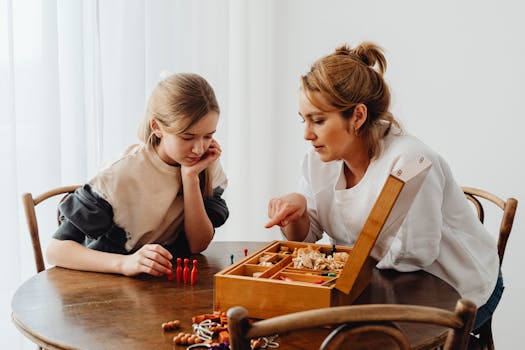
⚠️ Sportsmanship Warning: This guide discusses psychological tactics for competitive adult play—tournaments, serious game groups, or experienced players who've consented to high-level competition. Do NOT use these tactics against children, casual players, or in family settings. That's unsportsmanlike and inappropriate. Read with that context.
That said: if you're playing in a tournament for prizes, or against experienced opponents who understand the psychological dimension of strategy games, these tactics are fair game.
Let's explore the mental edge.
Tactic #1: False Signals Through Purchasing Patterns
The principle: Opponents watch what you buy to infer your strategy. Feed them false information.
How It Works
Standard play (honest signals):
- You buy dragonfruit + passion fruit (£22 total, premium ingredients)
- Opponents infer: "They're going Hotel District for premium strategy"
- They adjust accordingly (avoid Hotel, or contest it, or price competitively)
Psychological play (false signals):
- You buy dragonfruit + passion fruit Turn 3 (£22, looks like Hotel strategy)
- But: You pivot to Marina Turn 4, use basic ingredients (bananas, oranges)
- The expensive ingredients were misdirection—you wanted opponents to think you're going Hotel so they'd avoid Marina
Result: You have Marina to yourself (opponents avoided it thinking you're at Hotel), make £26/turn unopposed.
When This Works
Requirements:
- Opponents are tracking your purchases (experienced players do this)
- You can afford to "waste" £22 on decoy ingredients
- The misdirection leads to genuinely better positioning (if Marina isn't actually better, you've wasted money for nothing)
Risk: Sophisticated opponents recognize the bluff, or you can't afford the capital tied up in unused ingredients.
Counter-Tactic (How to Defend)
Don't trust purchases—trust positioning.
When opponent buys expensive ingredients, think: "They might use them at Hotel...or they might be bluffing. I'll decide my strategy based on what's optimal for me, not reacting to their signals."
Alternative: Call the bluff—if you suspect misdirection, deliberately contest Hotel District. If they don't show up, you know it was a bluff and you have advantageous position.
Tactic #2: Tempo Manipulation
The principle: Playing unusually fast or slow disrupts opponents' mental rhythm.
Playing Unusually Fast to Disrupt
Standard tempo: Players take 30-60 seconds per decision, thoughtful pace.
Fast tempo tactic:
- You make decisions in 10-15 seconds (snap decisions)
- Opponents feel pressured to keep pace
- Rushed opponents make suboptimal choices (System 1 thinking—intuitive, error-prone)
When to use:
- You're experienced with this game (can make good decisions quickly)
- Opponents are deliberative types (slow, careful thinkers who need time)
- Tournament format with round clock (fast play leaves you time buffer)
Playing Unusually Slow to Pressure
Slow tempo tactic:
- Take 90 seconds per decision (full allowed time)
- Forces opponents to wait (frustration, impatience)
- Projects deep thinking (even if decision is simple)
Psychological impact: Opponents think, "They're taking forever—they must be seeing something I'm not. Am I missing strategic depth?"
Counter-productive if: You actually do need time (slow play because you're uncertain)—then you're just helping yourself, not manipulating opponents.
When These Tempo Tactics Cross Ethical Lines
Acceptable:
- Playing at your natural optimal pace (fast or slow)
- Using tempo that fits your decision-making style
Questionable:
- Deliberately stalling when you've already decided (wasting opponents' time)
- Rushing when opponents ask you to slow down so they can track
Unacceptable:
- Clock manipulation (using full time every turn specifically to deny opponent thinking time)
Community standard: Tempo tactics OK if genuine (you're actually thinking); NOT OK if purely disruptive (time-wasting).
Tactic #3: Strategic Table Talk Within Rules
The principle: What you say (and don't say) influences opponents.
Examples of Legal Table Talk
Misdirection:
- "Beach looks crowded, doesn't it?" (while planning to go Beach anyway—planting doubt in opponents)
False confidence:
- "I'm definitely going Hotel District this turn" (then go Marina—if opponents believed you, they avoided Marina)
Information fishing:
- "Where are you thinking of going?" (most players won't answer, but hesitation or body language reveals something)
Psychological pressure:
- "Interesting choice..." (after opponent's decision, implying they made a mistake even if they didn't)
When Table Talk Becomes Unsportsmanlike
Crosses line into inappropriate:
- Outright lying about rules ("You can't do that"—when they actually can)
- Personal attacks ("You always make dumb choices")
- Aggressive/intimidating tone
Stay ethical:
- Misdirection about YOUR strategy: Fair ("I'm going Hotel"—when you're not)
- Lying about RULES or GAME STATE: Unfair
- Social pressure that's fun/competitive: Fair
- Social pressure that's mean/personal: Unfair
Tactic #4: Anchoring Opponent Expectations
The principle: Create early expectations, then exploit them.
How to Anchor Expectations
Turn 1: Go Beach (standard, expected play) Turn 2-3: Stay Beach (reinforcing pattern: "They're a Beach player") Turn 4: Opponents expect you to pivot to Hotel (that's the common Beach → Hotel pattern) Turn 4 (your actual move): Stay at Beach (contrarian) or pivot to Marina (unexpected)
Result: Opponents positioned based on false expectation (they avoided Marina thinking you'd go there, or they contested Hotel expecting you).
Why This Works
Cognitive bias exploited: Anchoring and pattern recognition.
Humans extrapolate patterns from limited data. You give them Turns 1-3 as "data," they predict Turn 4 based on that pattern, you break the pattern and gain advantage.
Counter-Tactic
Don't assume patterns.
Just because opponent went Beach Turns 1-3 doesn't mean they'll pivot predictably. Make your own optimal decision independent of their past behavior.
Tactic #5: Calculated Risk-Taking to Appear Unpredictable
The principle: Unpredictability is intimidating.
Deliberate Non-Optimal Plays
Standard: Always make optimal EV (expected value) decision.
Psychological variant: Occasionally make suboptimal but surprising plays (go Park when Hotel is clearly better).
Purpose:
- Opponents can't model your thinking ("I can't predict what they'll do—they're erratic")
- When you DO make optimal plays later, opponents second-guess ("Is this another weird play, or genuine optimal?")
Cost: You lose EV on the non-optimal play (might cost you £5-10 profit that turn)
Benefit: Opponents waste mental energy modeling unpredictable behavior, make mistakes, you gain £15+ from their errors.
Net: If benefit > cost, worthwhile.
Warning: Fine line between "intimidatingly unpredictable" and "actually bad at the game." Only use this if you're strong enough that occasional suboptimal plays don't cost you games.
Tactic #6: Observation Bias Exploitation
The principle: People track what they think matters. Exploit what they DON'T track.
Knowing What Opponents Track
Most players track:
- Locations (where everyone is positioned)
- Approximate cash levels (who's rich, who's poor)
- Major purchases (expensive ingredients)
Most players DON'T track:
- Exact cash (precise amounts)
- Minor purchases (buying one banana vs. two)
- Demand card probabilities (which cards have appeared, which remain)
Exploiting the Gaps
Example: You know demand cards. Three Beach high-demand cards already appeared (out of 4 total). Probability of Beach high-demand next turn: 1/7 remaining cards = 14%.
Opponent doesn't track this. They see "Beach was high-demand last two turns" and assume pattern continues.
You position at Marina (knowing Beach unlikely to be favored). Opponent goes Beach (wrongly expecting high demand). You gain advantage.
Information asymmetry = edge.
Counter-Tactic
Track everything methodically.
In tournament play, keep a notepad:
- Demand cards appeared (check off which)
- Opponent purchases (log each turn)
- Exact opponent cash (estimate based on profit/spending)
Full information tracking eliminates opponent's information advantages.
Tactic #7: Emotional Pressure Through Confident Play
The principle: Projected confidence demoralizes opponents.
Confident Body Language and Speech
Even when uncertain:
- Make decisions quickly (projects confidence, even if you're 60% sure it's right)
- Verbalize confidence: "This is going to work perfectly"
- Maintain relaxed posture (uncertainty creates tense body language—control it)
Psychological impact: Opponents think, "They're so confident—do they see something I don't? Am I missing obvious strategy?"
Self-doubt spirals: Opponent second-guesses their own decisions, makes changes (often from good to bad strategy), you benefit.
When You're Actually Losing
Especially important when behind:
Losing + showing frustration: Opponent relaxes, plays confidently, dominates further Losing + projecting confidence: Opponent stays nervous, makes conservative plays (protects lead), you have space to catch up
Quote from tournament player: "I was £25 behind Turn 5, but I acted like I was winning. Smiled, made decisive moves, verbal confidence. My opponent got cautious, made safe plays. I came back and won by £8. If I'd shown my panic, they'd have gone for the kill."
Ethical Boundaries and Sportsmanship
Where's the line?
Acceptable Psychological Tactics
✓ Misdirection about your own strategy (bluffing) ✓ Confident demeanor (even when uncertain) ✓ Strategic tempo (playing at pace comfortable for you) ✓ Information asymmetry (tracking more than opponent) ✓ Legal table talk (within rules, not lying about game state)
Unacceptable / Unsportsmanlike
✗ Lying about rules or game state (factual misinformation) ✗ Personal attacks or insults ✗ Intimidation or aggressive behavior ✗ Cheating (hidden information manipulation, miscounting cash) ✗ Using these tactics against children or casual players who didn't consent to "psychological warfare"
Know Your Audience
Tournament with prizes: Psychological tactics expected and acceptable (within ethical bounds).
Casual family game night: Use zero psychological tactics—play genuinely, teach kids, have fun.
Game night with friends: Depends on group culture. Some groups enjoy the mental game; others consider it unfriendly. Establish norms upfront.
Practice Exercises
How to develop psychological awareness.
Exercise 1: Observation Practice
During games (even casual): Consciously observe opponents.
- Where do their eyes go before decisions? (Reveals what they're considering)
- Do they hesitate? (Uncertainty)
- Body language when behind vs. ahead? (Frustration vs. confidence)
Don't use observations manipulatively in casual play—just practice seeing patterns.
Exercise 2: Bluffing Practice
With consenting friends:
- Announce Turn 3: "I'm definitely going Hotel next turn"
- Actually go Marina
- Post-game: Ask if they believed you, did it affect their decisions?
Learn: What makes bluffs credible? Delivery, supporting evidence (buying ingredients consistent with claim), confidence.
Exercise 3: Emotional Regulation
Solo practice:
- Play solo challenge mode
- When you have a bad turn, practice calm response (no sighing, frustration)
- Maintain even emotional keel regardless of outcomes
Purpose: Train emotional control so it's automatic during competitive play.
Tournament Player Interviews
Top players on the psychological game.
Emma Rodriguez (42% tournament win rate):
"I don't do elaborate bluffs—too much energy. But I track everything opponents do. Most players don't track demand card probabilities. That information asymmetry alone is worth £10-15 per game."
Michael Chen (UK Champion 2024):
"Table talk is underused. I'll ask, 'Interesting—why Hotel District?' and 60% of players explain their reasoning unprompted. Free information. I never explain my decisions unless forced."
Sarah Thompson (3 tournament wins):
"Confidence when losing is my superpower. I've come from behind in 8 of 12 tournament games by staying calm, projecting confidence, and watching opponents get nervous and make mistakes."
Warning: Know Your Audience
Final reminder: Psychological tactics are tools. Like any tool, they can be used appropriately (tournament play between consenting adults) or inappropriately (against children, casual players, or those who didn't sign up for mental warfare).
Use judgment:
- Playing with your 10-year-old? Be genuine, teach them, let them win occasionally.
- Playing in £100 prize tournament? Psychological tactics are expected and fair.
Golden rule: Would you want someone using these tactics against you in this context? If no, don't use them.
About the Author: James Chen covers competitive board gaming and has competed in 12 Smoothie Wars tournaments. They writes about the psychological dimension of strategic play.
Master both strategic and psychological gameplay. Join our Advanced Strategy Community for tournament-level discussions. Practice these skills with our training scenarios. Compete in tournaments near you.