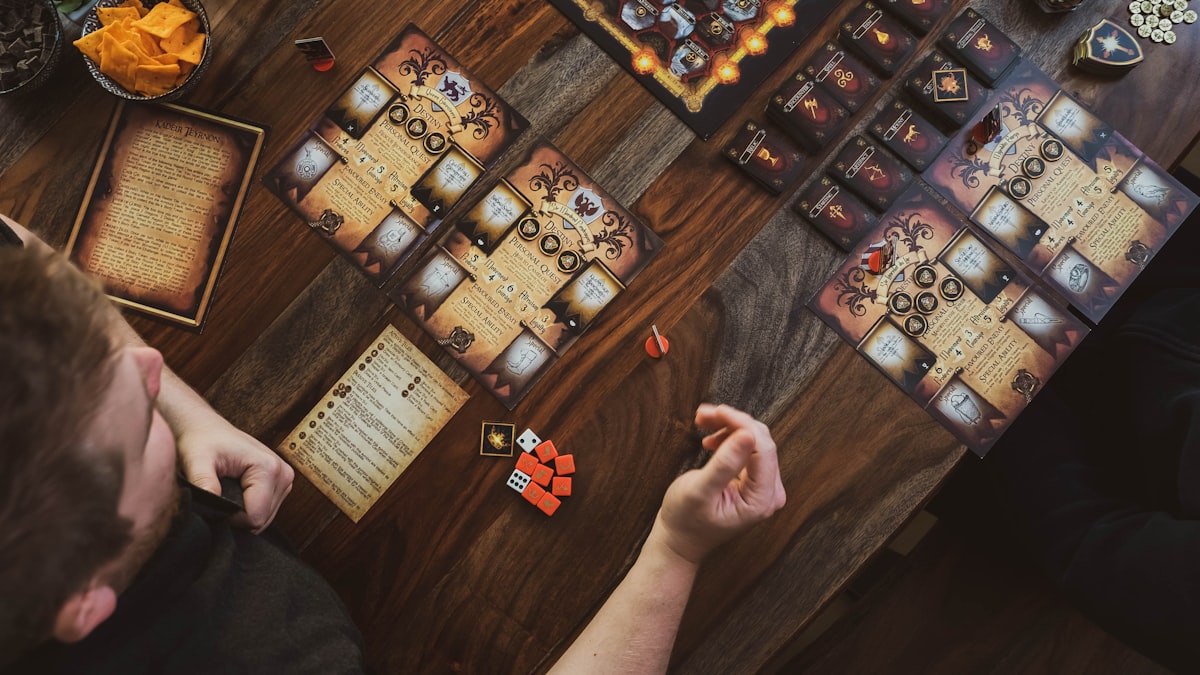
A Real and Growing Concern
UK youth mental health referrals have risen substantially over the past several years—this much is well established and widely reported by the NHS, schools, and mental health charities. Waiting times for treatment remain long in many areas, and the most commonly cited presenting issues include anxiety, depression, behavioural difficulties, ADHD, and eating disorders. The system is under significant, well-documented strain.
This piece doesn't claim board games are a clinical treatment or a substitute for professional mental health care—they're not, and nothing here should be read as medical advice. But there's a reasonable, evidence-informed case that strategic board games can play a small, complementary role in supporting children's resilience, social connection, and general wellbeing, alongside (never instead of) proper clinical support when it's needed.
Why Are Mental Health Referrals Rising?
Researchers and clinicians point to several likely contributing factors, none of which is a single "smoking gun":
Social media and comparison culture. Heavy social media use among adolescents has been linked, in a substantial body of research, to increased anxiety and depressive symptoms—likely driven in part by constant comparison to curated, idealised content.
Academic pressure. Performance culture in UK education—testing from an early age, exam pressure through secondary school, competitive university entry—is frequently cited by young people and clinicians alike as a source of chronic stress.
Reduced face-to-face social interaction. Many child development researchers have raised concerns that time spent in unstructured, face-to-face peer play has declined in recent years, replaced in part by screen-based interaction. Face-to-face social play is widely considered important for emotional development, and its reduction is a plausible contributing factor to rising distress.
Reduced resilience-building opportunities. Some psychologists have pointed to a broader shift toward more protective, closely supervised parenting, with less unstructured play, independent risk-taking, and exposure to manageable failure—all experiences thought to help children build coping skills for handling setbacks.
How Board Games May Help
None of the following is a cure or a clinical intervention. But several well-established psychological mechanisms plausibly apply to structured board game play, and clinicians who use games therapeutically tend to point to similar ideas:
Safe Exposure to Failure
Losing is a normal, expected part of playing games—in a four-player game, each player loses roughly three times out of four. That repeated, low-stakes exposure to "not winning" gives children practice tolerating disappointment and setbacks without lasting consequences, which is consistent with broader therapeutic principles around building tolerance for failure and reducing catastrophic thinking.
Social Connection
Board games require face-to-face interaction, shared attention, and communication—all in a technology-free setting. Social connection is a well-established protective factor against depression and anxiety in the broader psychological literature, and structured game time can offer socially anxious children a lower-pressure way to practise social interaction.
Present-Moment Focus
Gameplay tends to demand attention to the current decision, which can create a naturally more mindful state, similar in spirit (though not in method) to mindfulness-based approaches that reduce anxiety by interrupting rumination. This is achieved through an engaging activity rather than formal meditation, which may make it more accessible for some children.
Mastery and Competence
Feeling competent at something is a recognised human psychological need, and school environments don't always provide many opportunities to feel that way, especially for children who struggle academically. Games offer a visible, trackable sense of improvement over time, which can support a child's broader sense of "I can get better at things"—a belief that matters well beyond the game itself.
Emotional Regulation Practice
Games require managing a real range of emotions in real time—disappointment at losing, frustration at bad luck, excitement at winning, tension during a close game—all within a safe, structured context, usually with a supportive adult present. That's genuine, repeated practice at emotional regulation, a skill with clear relevance to mental health.
Clinical Use, With Appropriate Caveats
Some therapists working with children do incorporate games into their practice—using them as a way to build rapport, practise tolerating uncertainty, and observe how a child manages frustration and disappointment in a naturalistic setting, sometimes alongside or as a bridge into more traditional talk-therapy approaches.
It's worth being clear about the current state of evidence here: this is an area of ongoing clinical interest and practitioner experience rather than one with a large body of rigorous, published, peer-reviewed outcome research specific to board games as a defined intervention. If you're considering game-based approaches as part of a child's mental health support, that's a conversation to have with a qualified clinician, not something to self-administer as an alternative to professional care.
What Parents Can Do
You don't need a clinical diagnosis to think about game-based support for your child's wellbeing.
As a General Wellbeing Practice
A regular family game night plausibly offers:
- Structured family connection time
- Safe, repeated exposure to minor setbacks (resilience building)
- Social skill practice
- Experiences of competence and improvement
- Practice with emotional regulation
There's broad consensus among mental health professionals that prevention-oriented, protective activities are valuable—and regular, low-pressure family gameplay is a reasonable candidate for that role, even without a large clinical trial to point to.
Warning Signs to Watch For
If your child shows:
- Excessive distress at game losses
- Inability to focus during gameplay
- Withdrawal from family gaming
- Constant anxiety about performance
- Aggression or extreme frustration during play
Consider:
- Seeking a professional assessment
- Adapting your approach (cooperative-only games, lower stakes, shorter sessions)
- Bringing in therapeutic support if distress persists
Games can be a helpful, low-cost addition to family life—but they are not a replacement for clinical care when a child genuinely needs it.
Conclusion: A Modest but Real Complement
The UK's youth mental health crisis is real, and no single intervention—board games included—is going to resolve it on its own. Formal treatment through the NHS, school counselling, and private therapy remain necessary, and all face real capacity constraints.
Board games aren't a substitute for any of that. But as an accessible, low-cost, home-based activity grounded in genuine psychological principles—safe failure, social connection, present-moment engagement, competence-building, and emotional regulation practice—there's a reasonable case for family game night as a small, complementary piece of a much bigger picture. Not a treatment. Not a fix. But possibly a meaningful, easily accessible support that costs little more than the price of a board game.
Mental Health Resources:
Further Reading:
- Building Resilience Through Competitive Play
- Emotional Regulation Through Games
- Family Connection Through Game Night
Important Note: This article discusses games as a possible complementary wellbeing activity, not a clinical treatment or a replacement for professional care. If your child shows signs of significant mental distress, please seek a professional assessment.