Comparing Educational Value: Traditional vs Modern Strategy Games
"Back in my day, we learned strategy from Chess and Checkers. These modern games with their fancy components—do they actually teach anything better?"
It's a fair question. Traditional games have centuries of refinement behind them. Modern games have intentional educational design. Which approach delivers superior learning outcomes?
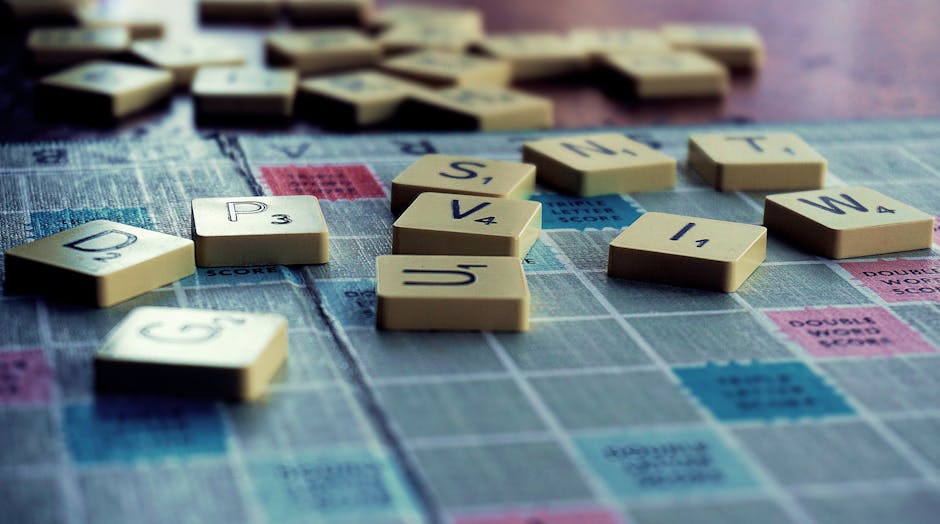
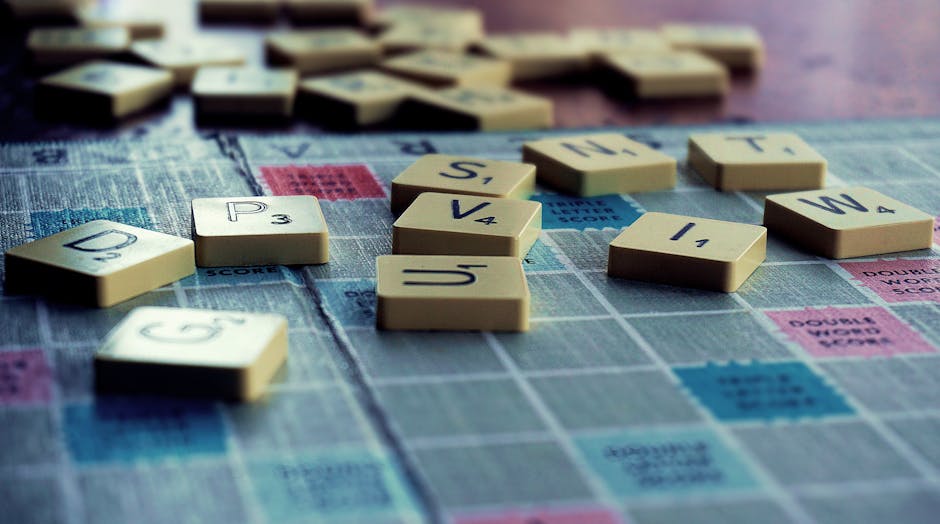
This analysis compares traditional strategy games (Chess, Checkers, Go, Backgammon, Monopoly, Risk, Scrabble) with modern strategic games (Catan, Ticket to Ride, Splendor, Pandemic, Smoothie Wars, Azul) across educational effectiveness dimensions.
The answer, as evidence reveals, isn't simple superiority but complementary strengths.
Defining the Categories
Traditional Games (pre-1980):
- Designed primarily for entertainment
- Educational value incidental
- Decades or centuries of refinement
- Deep competitive meta-games
- Cultural significance
- Examples: Chess, Monopoly, Risk, Scrabble
Modern Strategy Games (1995-present):
- Often designed with learning objectives
- Educational value intentional
- Incorporating game design research
- Varied strategic textures
- Contemporary themes
- Examples: Catan, Smoothie Wars, Wingspan, Pandemic
Educational Design Philosophy
Traditional Games: Emergent Learning
Approach: Games designed for engagement. Education emerges organically from gameplay but wasn't primary design goal.
Strengths:
- Refined through massive playtest volume (millions of games over decades)
- Proven staying power (games endure because they work)
- Deep strategic complexity from simple rules
- Cultural knowledge value (everyone knows Chess)
Limitations:
- Learning extraction requires heavy facilitation
- Concepts often abstract (Chess pattern recognition doesn't obviously transfer to business)
- Educational value somewhat accidental
Example: Chess teaches extraordinary strategic thinking—but you must discover it yourself through study and practice. The game doesn't explicitly teach you.
Modern Games: Intentional Educational Design
Approach: Games designed with specific learning objectives. Mechanics deliberately structured to teach targeted concepts.
Strengths:
- Explicit educational goals guide design
- Concepts emerge transparently
- Easier learning extraction
- Contemporary relevance (modern themes/contexts)
Limitations:
- Less historical refinement (games only 5-30 years old)
- Sometimes educational focus creates mechanical artificiality
- May lack depth of centuries-refined games
Example: Smoothie Wars explicitly teaches supply-demand. The mechanics are designed to make this concept visible and intuitive—no heavy facilitation needed.
Comparative Analysis by Educational Factor
Abstract Reasoning Development
Traditional Games: 9/10 Chess, Go, Checkers develop pure abstract strategic reasoning through perfect information and zero luck.
Modern Games: 7/10 Most modern games include luck/randomness and thematic context, reducing pure abstraction.
Winner: Traditional
For developing abstract pattern recognition and logical thinking, traditional abstract games excel.
Contemporary Business Concepts
Traditional Games: 4/10 Monopoly teaches early-1900s economics; most traditional games teach timeless abstract strategy but not current business.
Modern Games: 8/10 Designed around contemporary business, economic, and strategic contexts with modern relevance.
Winner: Modern
For teaching supply-demand, modern markets, resource management as currently practiced—modern games designed for this win decisively.
Collaborative Skills
Traditional Games: 3/10 Most traditional games are competitive or solo. Cooperation rare.
Modern Games: 8/10 Cooperative games (Pandemic, Forbidden Island) and semi-cooperative designs common.
Winner: Modern
Traditional gaming culture emphasized competition; modern design includes cooperation as valid strategic mode.
Accessibility and Learning Curve
Traditional Games: 5/10 Simple rules but steep mastery curve. Chess takes minutes to learn, lifetime to master—can discourage newcomers.
Modern Games: 8/10 Designed for faster accessibility. Players can be competent within 1-2 sessions while still offering depth.
Winner: Modern
Modern game design emphasizes onboarding and progression. Easier to achieve "fun from first play" than traditional games.
Long-Term Mastery Potential
Traditional Games: 9/10 Chess, Go have essentially infinite strategic depth. Professional players study for decades.
Modern Games: 6/10 Most modern games have finite strategic depth. "Solved" or mastered within 20-100 plays typically.
Winner: Traditional
Traditional abstract games offer lifetime mastery journeys; modern games generally don't.
Cultural Literacy Value
Traditional Games: 9/10 Understanding Chess, Monopoly, Scrabble is cultural knowledge. Referenced in literature, media, conversation.
Modern Games: 3/10 Recent games lack deep cultural embedding (yet).
Winner: Traditional
Knowing traditional games is cultural literacy; modern games haven't had time to achieve this status.
Transfer to Real-World Contexts
Traditional Games: 5/10 Abstract games teach thinking patterns that transfer indirectly. Monopoly's economics are dated.
Modern Games: 8/10 Designed around current contexts (business, science, social dynamics) that transfer more directly.
Winner: Modern
Smoothie Wars' supply-demand lessons transfer to understanding markets obviously. Chess pattern recognition transfers to strategic thinking generally but less directly.
Comprehensive Comparison Table
| Factor | Traditional | Modern | Advantage |
|---|---|---|---|
| Abstract reasoning | 9/10 | 7/10 | Traditional +2 |
| Contemporary concepts | 4/10 | 8/10 | Modern +4 |
| Collaborative skills | 3/10 | 8/10 | Modern +5 |
| Accessibility | 5/10 | 8/10 | Modern +3 |
| Mastery depth | 9/10 | 6/10 | Traditional +3 |
| Cultural literacy | 9/10 | 3/10 | Traditional +6 |
| Real-world transfer | 5/10 | 8/10 | Modern +3 |
| Engagement (ages 8-12) | 5/10 | 8/10 | Modern +3 |
| Thematic richness | 4/10 | 8/10 | Modern +4 |
| Educational clarity | 5/10 | 8/10 | Modern +3 |
| TOTAL | 58/100 | 72/100 | Modern +14 |
Age-Specific Recommendations
Ages 6-8
Traditional: Simple classics (Checkers, simple Monopoly) Modern: Gateway games (Kingdomino, My First Carcassonne) Recommendation: Modern games designed for this age work better
Ages 9-12
Traditional: Chess (if interested), Scrabble Modern: Smoothie Wars, Ticket to Ride, Splendor Recommendation: Modern games for most; Chess for dedicated learners
Ages 13-16
Traditional: Chess, Go (for abstract strategy lovers) Modern: Brass: Birmingham, complex Eurogames Recommendation: Both—variety serves broader development
Ages 17+
Traditional: Chess, Go offer lifetime mastery Modern: Full range available Recommendation: Personal preference—both valid
The Ideal Approach: Both
Rather than either/or, evidence suggests both/and.
Complementary Strengths
Use traditional games for:
- Deep abstract strategic thinking
- Cultural literacy
- Lifetime mastery development
- Pure logical reasoning
Use modern games for:
- Contemporary business/economic concepts
- Accessible strategic introduction
- Specific learning objectives
- Collaborative skills development
- Immediate engagement
Recommended Collection Balance
Ages 8-12 Collection:
- 60% modern (accessibility, engagement, current concepts)
- 40% traditional (depth, cultural literacy)
Example:
- Modern: Smoothie Wars, Ticket to Ride, Splendor
- Traditional: Chess, Checkers
Ages 13+ Collection:
- 50/50 balance
- Modern: Varied strategic games
- Traditional: Chess or Go for depth
Historical Context
Modern game design built on traditional foundations while addressing limitations.
What modern games learned from traditional:
- Elegant simplicity (few rules, deep strategy)
- Replayability through emergent complexity
- Balanced competition
What modern games innovated:
- Cooperative mechanics
- Explicit educational design
- Accessibility focus
- Thematic integration
- Multiple victory paths
The best modern games honor traditional design while evolving it.
Perspectives From the Field
Game designers generally frame modern design as standing on the shoulders of traditional games—learning from Chess, Go, and Backgammon, while adding intentional pedagogy and contemporary contexts those older games were never built to provide.
Educators who use both often describe reaching for different tools for different jobs: traditional abstract games like Chess for deep strategic thinking with dedicated students, and modern games like Smoothie Wars for teaching business concepts with a whole class.
Cognitive development researchers broadly agree that both categories develop cognition, just differently: traditional games tend to develop certain thinking patterns very deeply, while modern games develop a broader range of skills with somewhat less depth in any single one. Optimal development likely includes both.
The Verdict
For pure abstract strategic mastery: Traditional (especially Chess, Go)
For contemporary business/economic education: Modern (especially purpose-designed educational games)
For accessibility and engagement (ages 8-12): Modern
For cultural literacy: Traditional
For balanced strategic thinking development: Both
Neither traditional nor modern games are uniformly superior educationally. They offer complementary strengths serving different learning objectives and preferences.
Wise parents and educators build collections including both, leveraging each category's distinct advantages.
The question isn't "which is better?" but "which serves this specific learner and learning goal better?"
Recommended Starter Collection:
- 1 traditional abstract (Chess or Checkers)
- 1 modern business/economic (Smoothie Wars)
- 1 modern cooperative (Pandemic)
- 1 modern quick strategic (Splendor)
This provides breadth across strategic thinking types, game modes, and educational focuses.
About the Author
The Smoothie Wars Content Team creates educational gaming content, analyzing educational gaming evolution and comparative effectiveness across traditional and modern game design approaches.
Internal Links:
- Complete Guide to Strategic Thinking Development Through Games
- Best Strategy Board Games for Teaching Business Skills
- Expert Reviews: Best Games for Strategic Thinking
External Sources:
- BoardGameGeek: Historical game evolution analysis