The £5 Lesson That Changed Everything
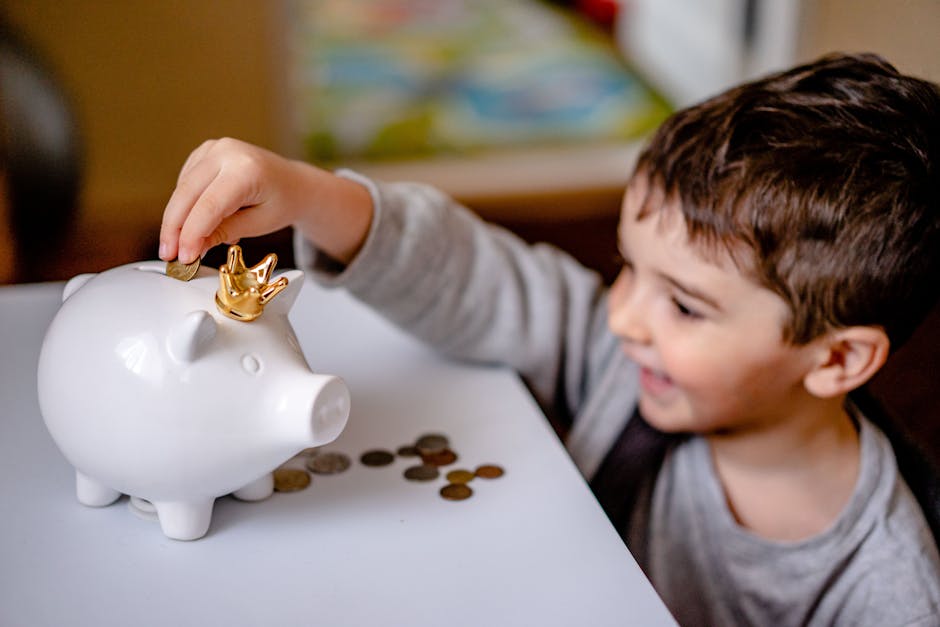
Nine-year-old Tom asked their mum for a £5 toy at the shop. She handed him £5 and said: "You can have that toy, or you can have this book you wanted last week. Not both. £5 total."
Tom chose the toy.
Two days later, he wanted the book. "Can I get the book now?"
"Remember," their mum explained, "when you chose the toy, you gave up the book. That's called opportunity cost—what you lose when you choose something else."
Tom never forgot that lesson.
Six months later, he explained to their grandmother: "I could buy this game, but the opportunity cost is the football I want next month. The football matters more, so I'll wait."
That's opportunity cost thinking—and it's possibly the most valuable economic concept children can learn.
This guide shows you exactly how to teach it through games and practical activities, making an abstract principle concrete and actionable.
What Is Opportunity Cost? (Kid-Friendly Explanation)
The Formal Definition
Opportunity cost = The value of the best alternative you give up when making a choice
The Kid Version
Opportunity cost = What you can't have because you chose something else
Why "Cost" Is Confusing
Children think "cost" means money you pay.
Actually, opportunity cost often isn't about money at all—it's about what you lose.
Examples children understand:
Example 1: Time choices
- Choice: Play video games for 1 hour
- Opportunity cost: The bike ride you could have taken instead
No money involved—but you "paid" with lost alternative activity
Example 2: Attention choices
- Choice: Watch TV during homework time
- Opportunity cost: Better grades you could have earned
Again, no money—but real cost in outcomes
Example 3: Money choices
- Choice: Buy £10 toy A
- Opportunity cost: The £10 toy B you now can't afford
This involves money, but the cost is the foregone toy, not the £10
Teaching insight: Start with non-money examples to clarify concept, then apply to financial decisions
Why Opportunity Cost Matters
For Financial Decisions
Understanding opportunity cost creates:
- Better purchasing decisions
- Savings motivation (save now = buy better item later)
- Budget prioritization
- Investment thinking
Without opportunity cost thinking:
"I want this, I have money, I buy it"
With opportunity cost thinking:
"I want this, but what am I giving up? Is this worth more than the alternative?"
This shift in thinking prevents impulse buying and builds financial discipline
For Time Management
Every hour has opportunity cost:
- Study for test (opportunity cost: missing party)
- Practice football (opportunity cost: video game time)
- Help parent (opportunity cost: personal free time)
Understanding this creates:
- Intentional time allocation
- Reduced decision regret
- Better prioritization
Real parent testimony:
"Before understanding opportunity cost, my daughter was constantly frustrated about 'not having enough time.' After learning it through games, she realizes time is fixed—she has to choose. Decision-making improved dramatically." — Bristol parent
For Life Planning
Major decisions involve huge opportunity costs:
- University choice (opportunity cost: different career paths)
- Job selection (opportunity cost: alternative employer benefits)
- Relationship commitments (opportunity cost: other relationship possibilities)
Teaching children opportunity cost thinking now prepares them for these critical life decisions
Teaching Through Games: The Three-Phase Approach
Phase 1: Discovery Without Labels (Games 1-3)
Don't start by explaining opportunity cost—let children discover it experientially
Game: Simple Choice Smoothie Wars
Modified rules: Each turn, choose between exactly TWO options:
Option A:
- Go to Beach
- 70% chance of £10 profit
- Can't go to Mountain this turn
Option B:
- Go to Mountain
- 90% chance of £7 profit
- Can't go to Beach this turn
Play 5 rounds
After round 2, casually ask: "When you chose Beach, what couldn't you do?" Child: "Go to Mountain" Parent: "Right—you gave up Mountain to get Beach. Keep noticing that."
After Game 1-3, children naturally observe:
- Every choice eliminates alternatives
- Sometimes the unchosen option would have been better
- Regretting choices is normal (decision difficulty)
This experiential foundation is crucial—concept makes sense because they've felt it
Phase 2: Labeling the Concept (Games 4-6)
Now introduce the terminology:
After Game 4: "Remember how choosing Beach meant you couldn't choose Mountain? That thing you can't have is called the opportunity cost. It's the cost of opportunities you lose when you pick something."
Formalize with example:
Choice made: Beach (earned £10) Alternative given up: Mountain (would have earned £7) Opportunity cost: £7 (the profit you didn't get because you chose Beach)
Important clarification: "Even though Beach earned more (£10 vs £7), you still had an opportunity cost—the £7 you gave up. Every choice has opportunity cost, even good choices."
Practice identifying:
After each turn for Games 4-6:
- What did you choose?
- What did you give up?
- What was the opportunity cost?
By Game 6, this thinking becomes automatic
Phase 3: Quantifying and Comparing (Games 7+)
Advanced skill: Calculating whether choice was worth its opportunity cost
Game 7 rule addition:
Before each turn, child must:
- Estimate expected profit for each option
- Identify which option they're giving up
- State opportunity cost in pounds
- Make choice and justify
Example thought process:
"Beach might earn £12, Mountain might earn £8. If I choose Beach, my opportunity cost is £8 (the Mountain profit). £12 is worth giving up £8, so Beach is my choice."
Post-turn evaluation:
What happened:
- Beach earned £11 (actual)
- Mountain would have earned £9 (checked afterwards)
Analysis: "My opportunity cost was £9. I gained £11, so my net benefit was £11 - £9 = £2 more than the alternative. Good choice."
This is sophisticated economic thinking—accessible to 10-year-olds through gameplay
Practical Activities Beyond Games
Activity 1: The Pocket Money Trade-Off
Age: 8-12 Duration: Ongoing weekly
Setup: Child receives £10 pocket money weekly
Rule: Spend it however they want, but must explicitly state opportunity cost before purchases
Example: Child: "I want to buy £6 toy" Parent: "What's the opportunity cost?" Child: "The £6 means I can't save for the £25 game I wanted. That's my opportunity cost." Parent: "Is the toy worth giving up part of your savings goal?" Child decides
Learning outcome: Real financial decisions with visible opportunity costs create lasting understanding
Parent guidance: Don't forbid poor choices—let them experience consequences. "I chose wrongly" is powerful learning.
Activity 2: The Time Allocation Exercise
Age: 10-14 Duration: Weekend planning activity
Tool: Create visual time budget
Saturday Schedule Example:
| Time Slot | Option A | Option B | Opportunity Cost |
|---|---|---|---|
| 10am-11am | Football practice | Friend's house | Time with friend |
| 11am-12pm | Friend's house | Video games | Gaming time |
| 2pm-4pm | Family outing | Personal project | Project progress |
Task: Child plans Saturday, explicitly noting opportunity costs
Reflection Sunday:
- Were your choices worth the opportunity costs?
- Would you choose differently knowing outcomes?
- What did you learn?
Outcome: Children realize time is finite—understanding opportunity costs of time usage builds intentional living habits
Activity 3: The Multi-Week Savings Challenge
Age: 9-14 Duration: 4 weeks
Scenario: Child wants £20 item but only gets £5 weekly pocket money
Options:
- Save all £5 weekly (4 weeks to goal)
- Spend some weekly (longer to goal)
- Do extra chores for bonus money (faster to goal but time cost)
Opportunity cost analysis:
Option 1:
- Speed: 4 weeks
- Opportunity cost: Fun smaller purchases now
Option 2:
- Speed: 6+ weeks
- Opportunity cost: Delayed gratification of big item
Option 3:
- Speed: 2-3 weeks
- Opportunity cost: Free time spent on chores
Child chooses strategy consciously understanding trade-offs
Learning: Every strategy has costs and benefits—no "right" answer, just different opportunity costs
Activity 4: The Restaurant Opportunity Cost Game
Age: 8-12 Duration: Single meal out
Setup: Family eating at restaurant, child gets £8 budget
Rules:
- Child can order anything totaling £8 or less
- Must choose between multiple desired items
- Explicitly state opportunity cost before ordering
Example: Child wants: Pizza (£7) AND Ice cream (£4) = £11 total
Must choose:
- Pizza only (opportunity cost: ice cream)
- Ice cream + side (opportunity cost: pizza)
- Pizza to share with sibling + small ice cream (compromise)
Parent facilitation: "What are you giving up with each choice? Is what you're getting worth what you're giving up?"
Real outcome from Bristol family:
"This exercise transformed our daughter's understanding. She now thinks about trade-offs naturally. Restaurant tantrums disappeared because she understands why she can't have everything—finite budget means choices and costs." — Parent testimonial
Age-Appropriate Progression
Ages 8-9: Foundation Concepts
Focus: Basic trade-offs
Teaching approach:
- Simple either-or choices
- Immediate consequences
- Concrete items (toys, treats)
Language: "When you choose X, you can't have Y. Y is what you gave up."
Games:
- Modified Smoothie Wars (2 choices only)
- "This or That" decision games
- Simple resource allocation
Ages 10-11: Quantification
Focus: Measuring opportunity costs
Teaching approach:
- Assign values to choices
- Calculate what was given up
- Compare costs to benefits
Language: "You chose X worth £10. You gave up Y worth £8. Your opportunity cost was £8."
Games:
- Full Smoothie Wars
- Resource management games
- Trading games
Ages 12-14: Complexity and Transfer
Focus: Multi-factor opportunity costs
Teaching approach:
- Non-monetary costs (time, effort, risk)
- Long-term vs short-term trade-offs
- Combining multiple costs
Language: "You chose X, giving up Y (monetary) and Z (time) and W (alternative experience). Was X worth more than Y+Z+W combined?"
Real-world application:
- Academic choices (study time allocation)
- Social decisions (friend group selection)
- Extracurricular priorities
Common Misconceptions to Address
Misconception 1: "Opportunity cost = money you spend"
Correction: "Opportunity cost isn't what you pay—it's what you don't get because you chose something else."
Example: Buying £5 toy doesn't have £5 opportunity cost—it has "the other £5 toy you wanted" as opportunity cost
Game example: Choosing Beach location doesn't cost the money you spend on fruit—it costs the Mountain profit you didn't earn
Misconception 2: "Only bad choices have opportunity costs"
Correction: "EVERY choice has opportunity cost, even great ones. Opportunity cost doesn't mean you chose badly."
Example:
- Going to university: Opportunity cost is the 3 years of work income you didn't earn
- This is still a good choice for most—but the opportunity cost exists
Game example: Choosing the best location still has opportunity cost (the second-best option you didn't choose)
Misconception 3: "If I make enough money, there's no opportunity cost"
Correction: "Money has opportunity cost, but so does time, attention, and energy—which are always limited even for billionaires."
Example:
- Billionaire attending Event A can't simultaneously attend Event B
- Opportunity cost is the value of Event B (not monetary)
Teaching point: Some resources are absolutely limited—opportunity costs exist regardless of wealth
Misconception 4: "Opportunity cost only matters for big decisions"
Correction: "Small decisions accumulate—daily opportunity costs compound over time."
Example:
- 30 minutes daily on Game A vs Game B
- Over a year: 182 hours directed differently
- Opportunity cost compounds
Life application: Teaching children this creates awareness of how daily micro-choices shape long-term outcomes
Assessment: How to Know They Understand
Informal Assessment Indicators
Understanding demonstrated when child:
✅ Spontaneously mentions "what I'm giving up" before decisions ✅ Expresses decision regret as "the opportunity cost wasn't worth it" ✅ Compares options explicitly before choosing ✅ Accepts budget constraints without tantrums (understanding scarcity creates opportunity costs) ✅ Plans ahead to minimize opportunity costs (saving for bigger purchase)
These behaviors indicate internalized concept
Formal Assessment Questions
Question 1 (Basic): "You have £10. You can buy Game A (£10) or Book B (£6) plus Toy C (£4). If you buy Game A, what is your opportunity cost?"
Answer: Book B and Toy C (the items you couldn't buy)
Question 2 (Intermediate): "You spend 2 hours watching TV. In that time, you could have: studied (might improve grade from B to A) or played outside (fun + exercise). What was your opportunity cost?"
Answer: Either the grade improvement OR the fun/exercise (whichever you value more)
Question 3 (Advanced): "Your friend invites you to their birthday party Saturday. You also wanted to practice for your music exam that day. How do you think about opportunity cost here?"
Strong answer: "If I go to party, opportunity cost is music practice (might affect exam grade). If I practice, opportunity cost is friendship and fun. I need to decide which I value more in this specific situation."
Question 4 (Application): "A shop has 50% sale. Everything half price. Do you have opportunity costs when buying sale items?"
Answer: Yes—even at half price, buying Item A means you can't buy Item B. Opportunity cost still exists at any price.
Real-World Transfer Test
Ultimate assessment:
Observe child making actual decision (purchasing, time allocation, etc.)
Without prompting, do they:
- Identify alternatives
- State what they're giving up
- Evaluate whether choice is worth opportunity cost
- Make decision with full awareness
If yes: Concept successfully internalized and transferable
Linking to Other Financial Concepts
Opportunity Cost + Saving
"When you save money, the opportunity cost is what you can't buy now. The benefit is what you CAN buy later. Is waiting worth it?"
Game connection: Saving in Smoothie Wars Days 1-2 to afford better opportunities Days 5-6
Opportunity Cost + Investing
"When you invest money, opportunity cost is using that money for something else now. Investment makes sense when future growth exceeds opportunity cost."
Age 12+ concept, built on opportunity cost foundation
Opportunity Cost + Time Management
"Choosing Activity A means giving up Activity B (opportunity cost). Productive people choose activities where benefit exceeds opportunity cost."
Life skill emerging from economic concept
See broader financial literacy: Teaching Financial Literacy Through Games
Advanced Application: Sunk Costs vs Opportunity Costs
For ages 13-14 ready for complexity:
Sunk cost: Money/time already spent, can't get back Opportunity cost: What you give up by choosing something
Critical distinction: Sunk costs should NOT influence future decisions Opportunity costs SHOULD influence decisions
Example:
Scenario: You paid £20 for a game (sunk cost). You've played 2 hours and don't enjoy it.
Choice:
- Keep playing (you paid for it!)
- Stop playing, do something else
Flawed thinking: "I paid £20, so I should keep playing" (sunk cost fallacy)
Correct thinking: "£20 is gone regardless. Now: is playing worth the opportunity cost (time I could spend on fun activity)? No. So stop playing."
Teaching this distinction prevents sunk cost fallacy—common adult error in financial and life decisions
Conclusion: Thinking That Compounds
Opportunity cost isn't just an economics term—it's a thinking framework transforming decision-making.
Children who understand opportunity cost:
- Make better financial choices
- Allocate time more intentionally
- Experience less decision regret
- Plan more effectively
- Accept trade-offs maturely
These capabilities compound over a lifetime.
A 10-year-old grasping opportunity cost becomes:
- A 16-year-old making smart subject choices
- A 20-year-old evaluating university/career options wisely
- A 30-year-old investing and managing finances successfully
- A 40-year-old teaching their own children
It starts with a simple game about smoothies.
Tom, from our opening story?
Now 11, he applies opportunity cost thinking to:
- Homework timing (study now vs play later)
- Friendship choices (time with Friend A vs Friend B)
- Hobby selection (football practice vs music lessons)
- Savings goals (small purchase now vs big purchase later)
His mum's £5 lesson created lifetime capability.
Your child deserves the same.
Start this week: Play a game involving choices. After each choice, ask: "What did you give up?"
That simple question plants seeds of economic thinking growing into forest of wisdom.
Resources:
Further Reading: