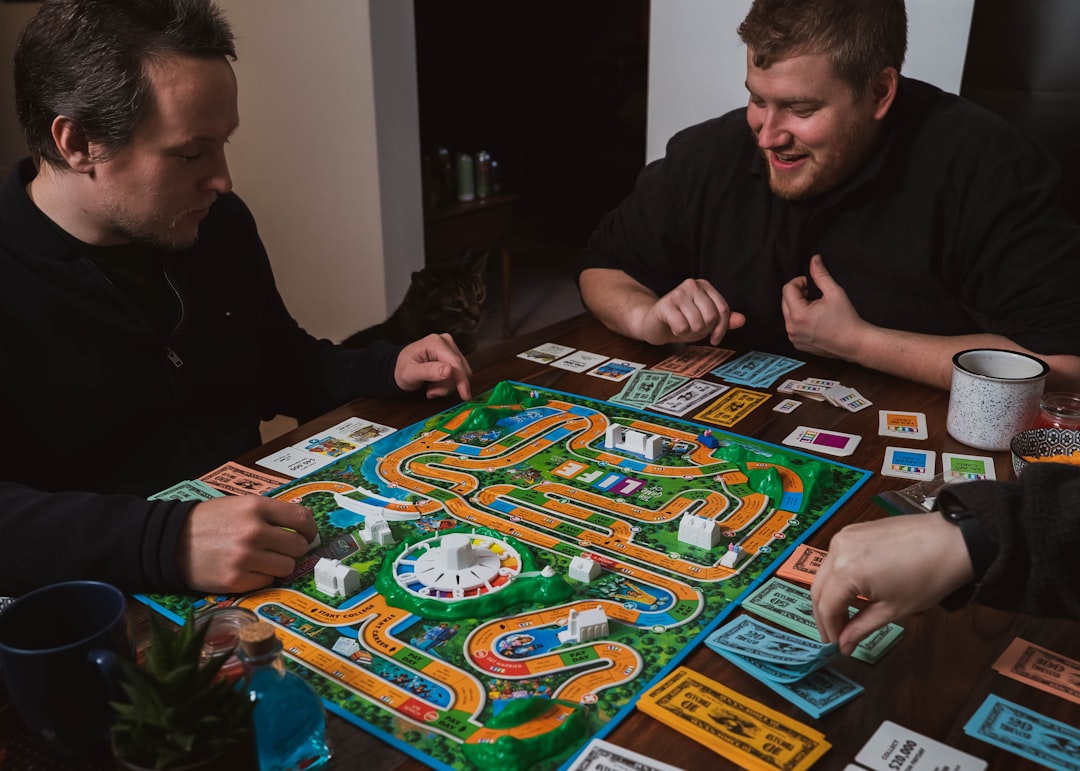
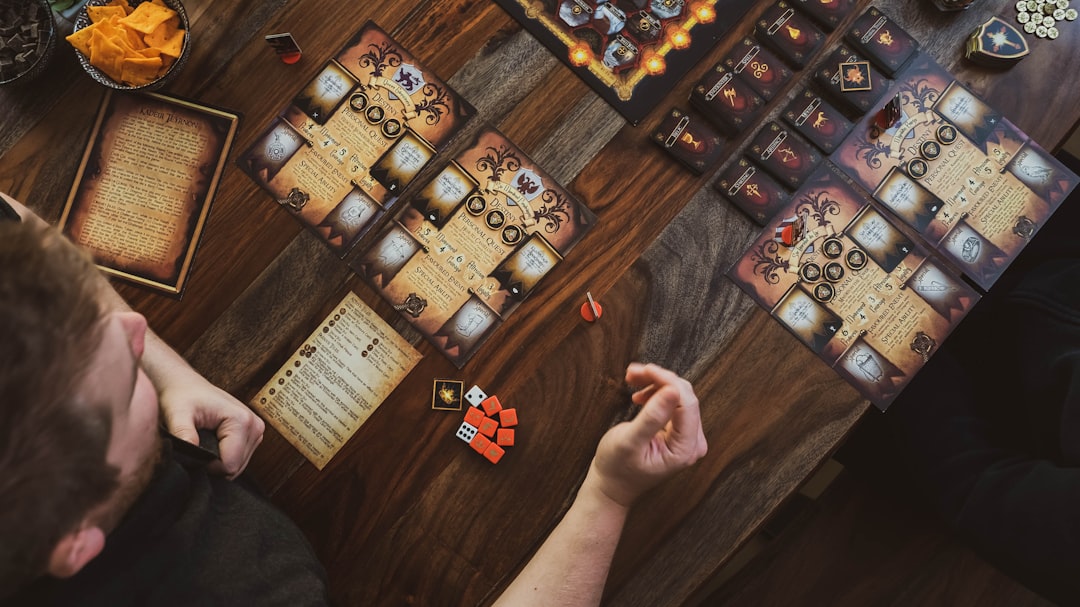
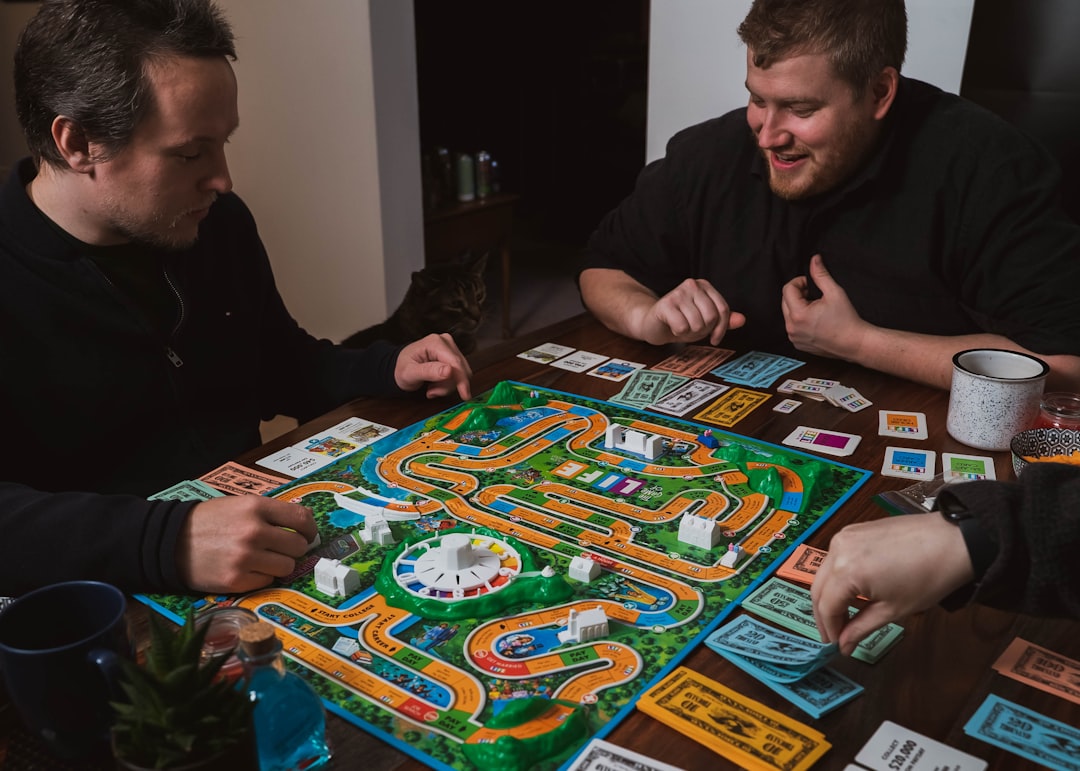
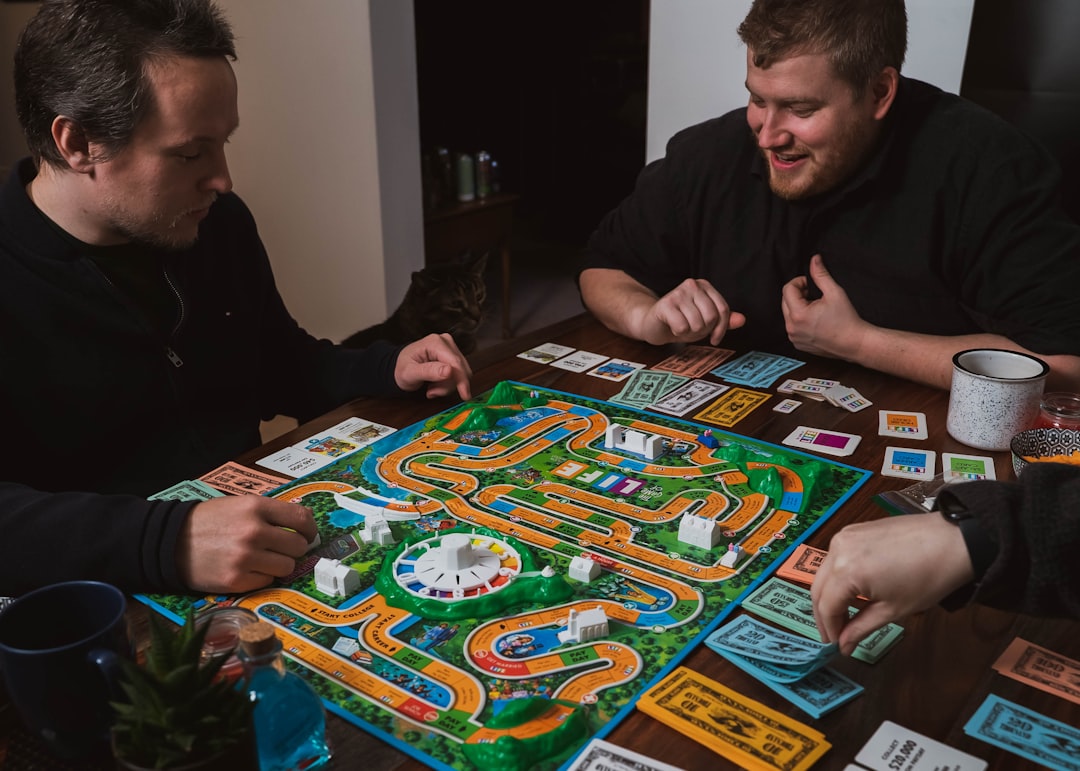
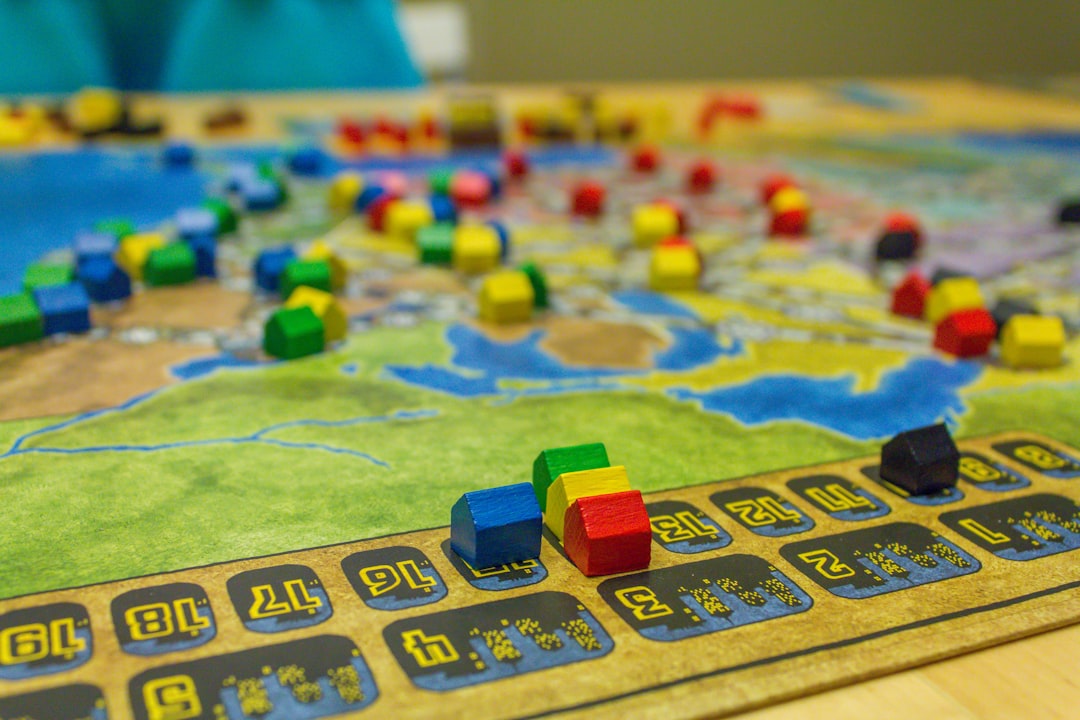
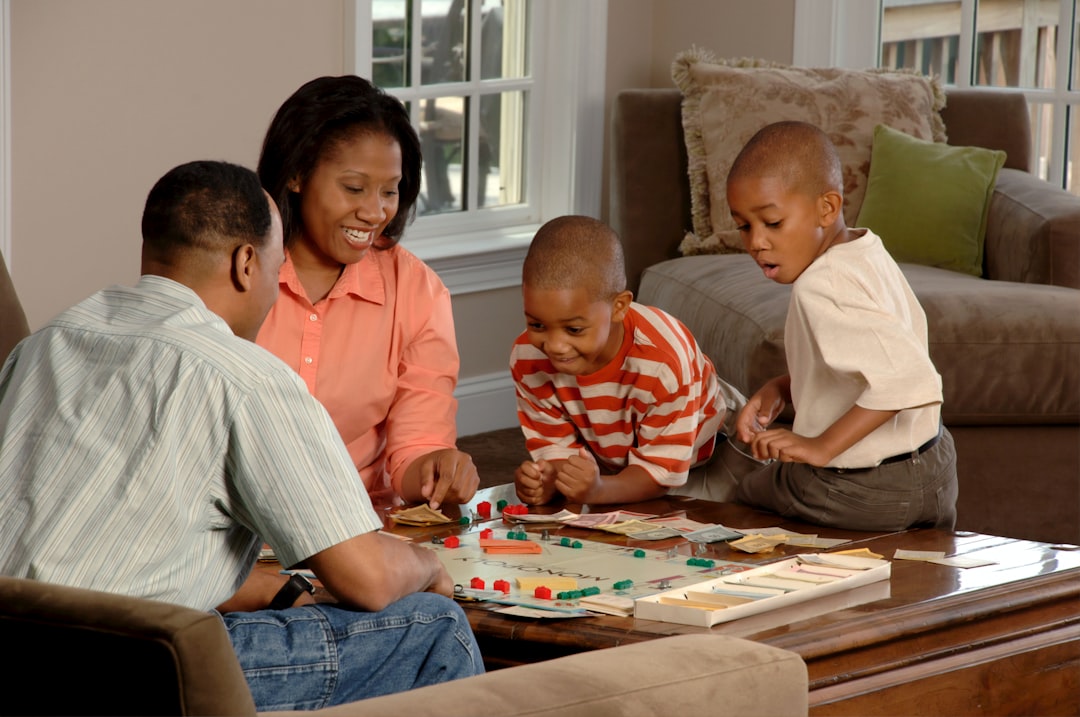
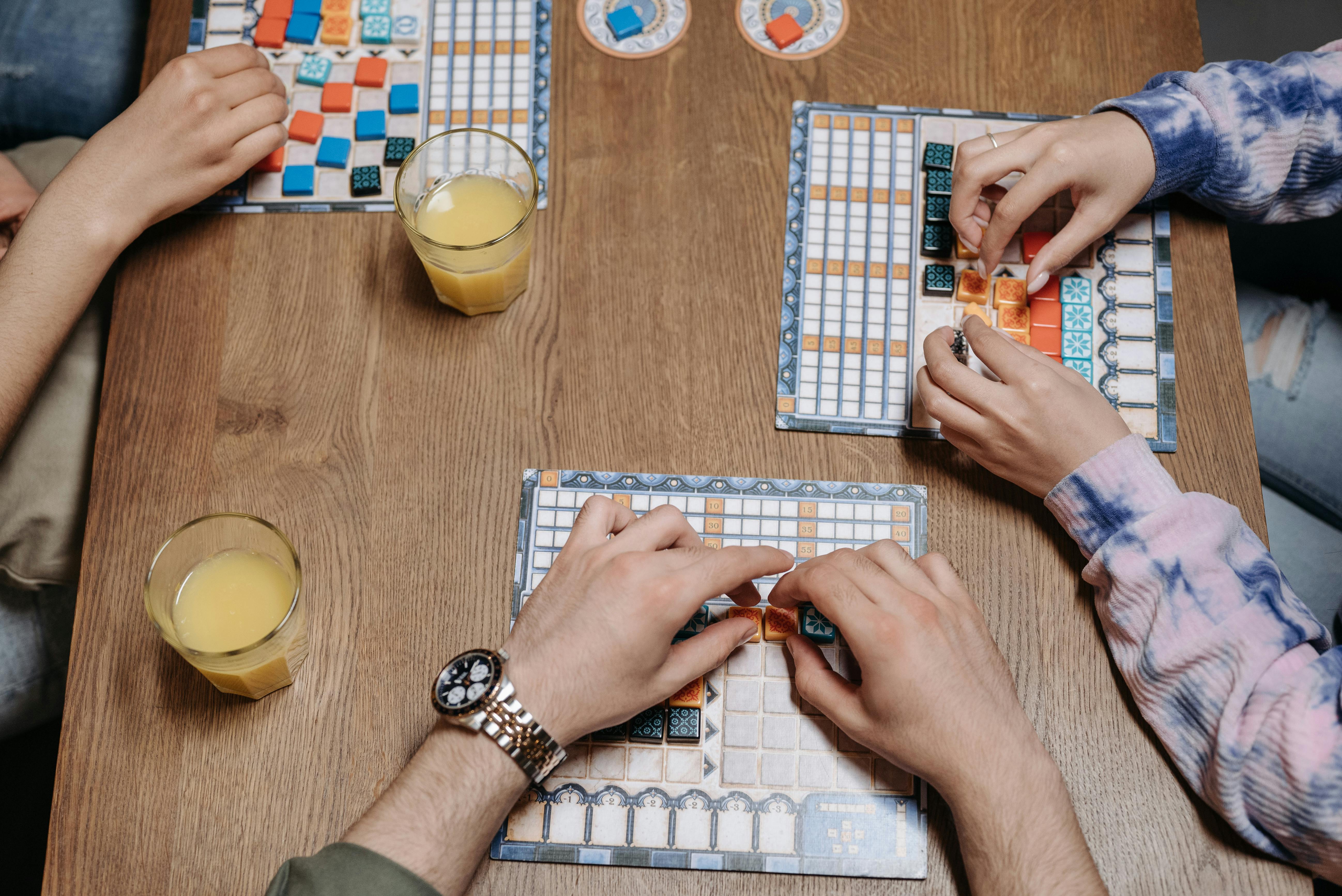
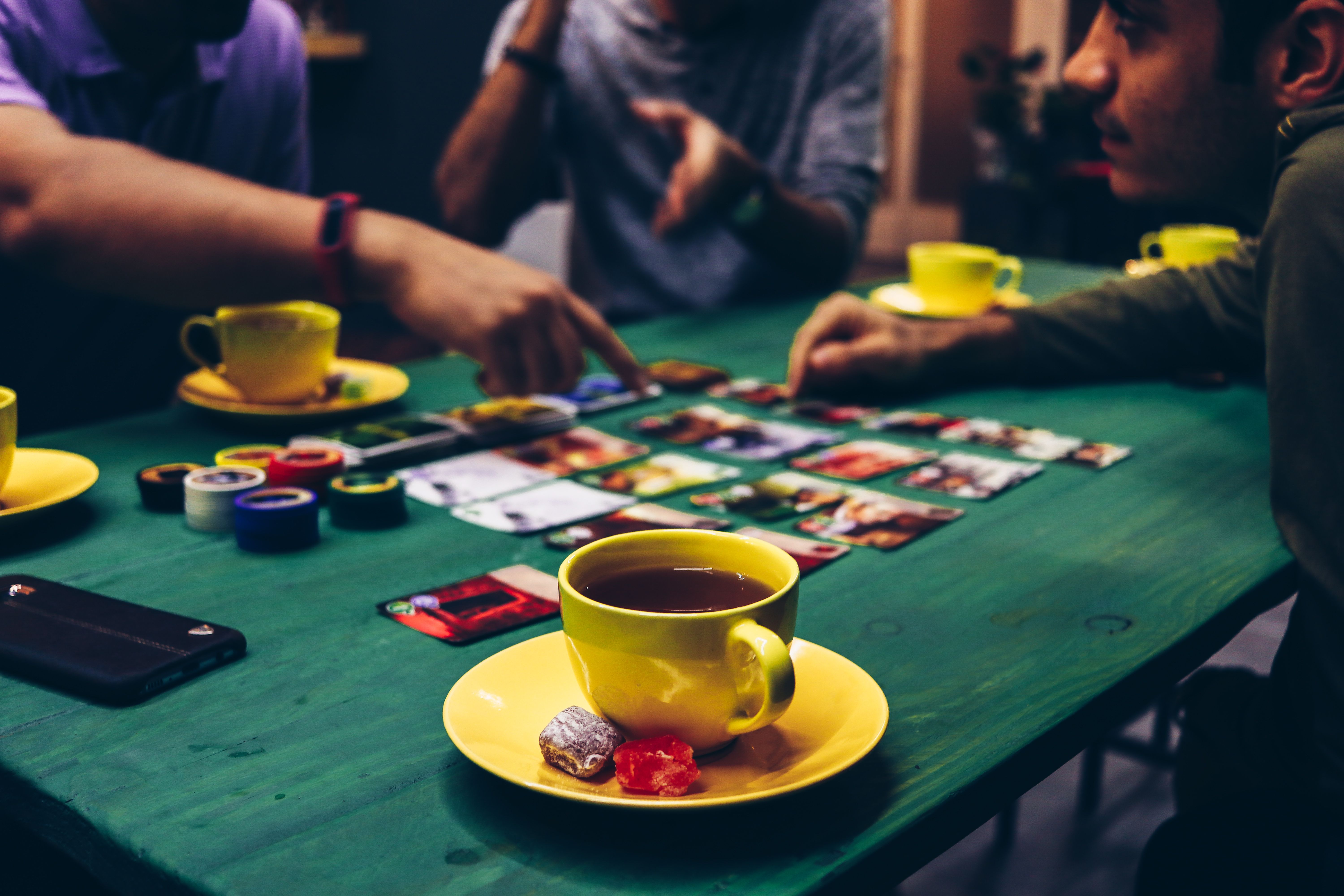
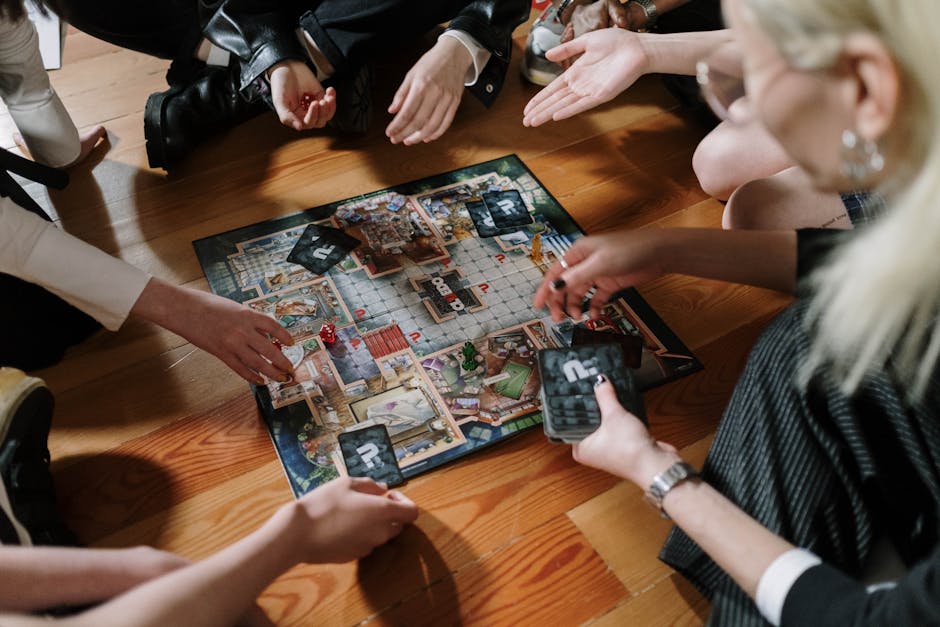
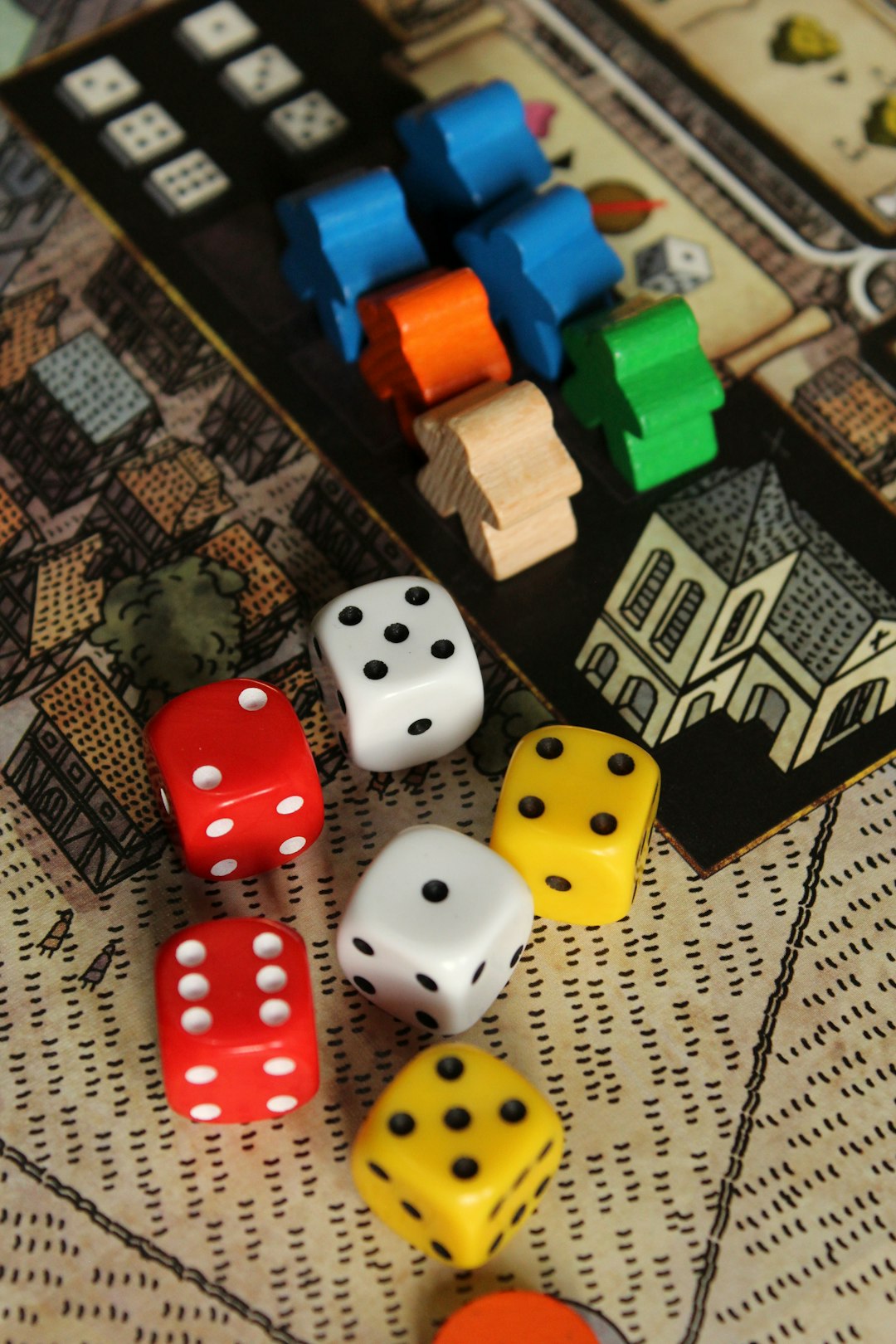
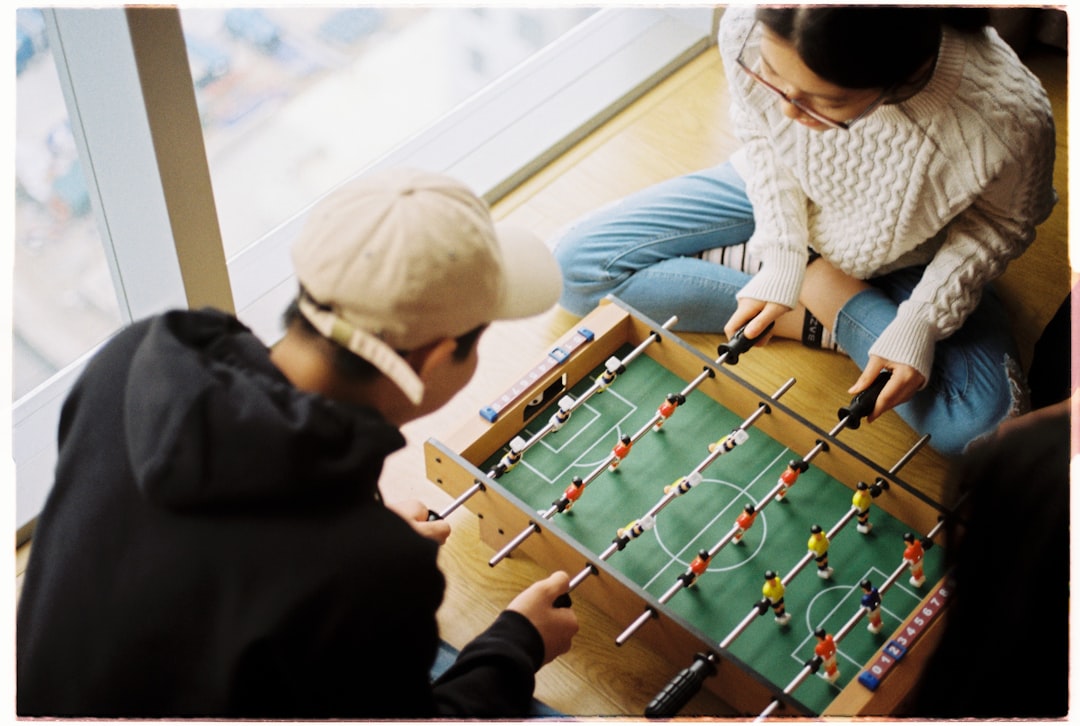
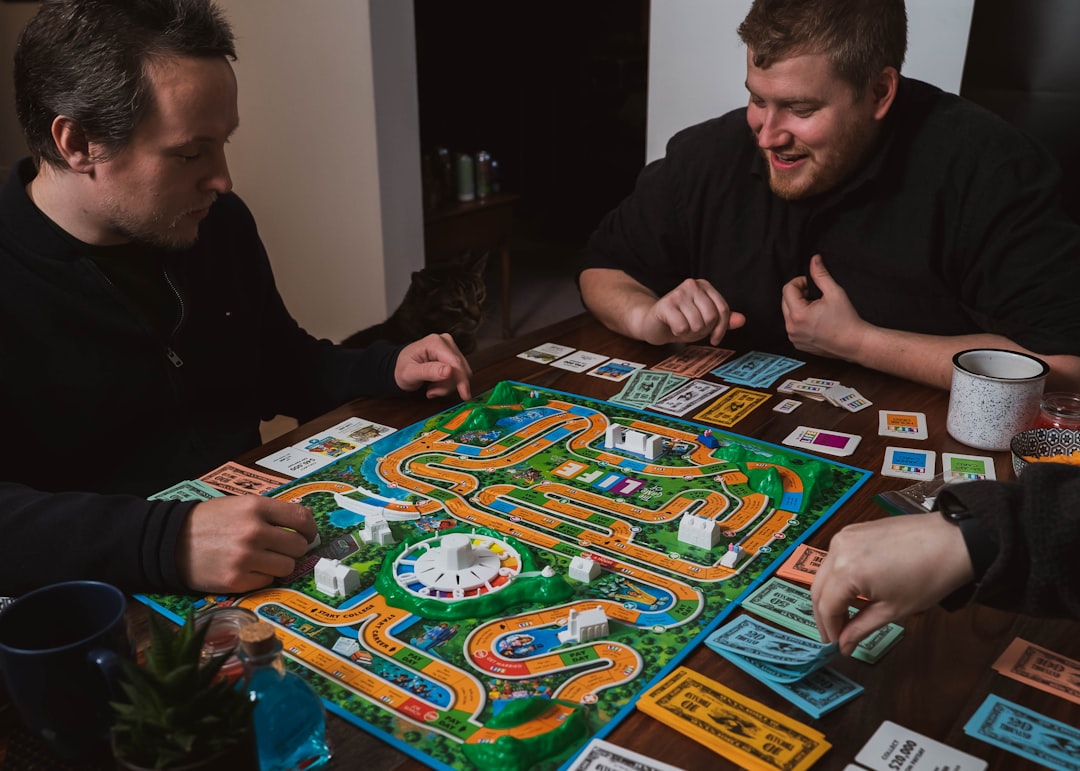
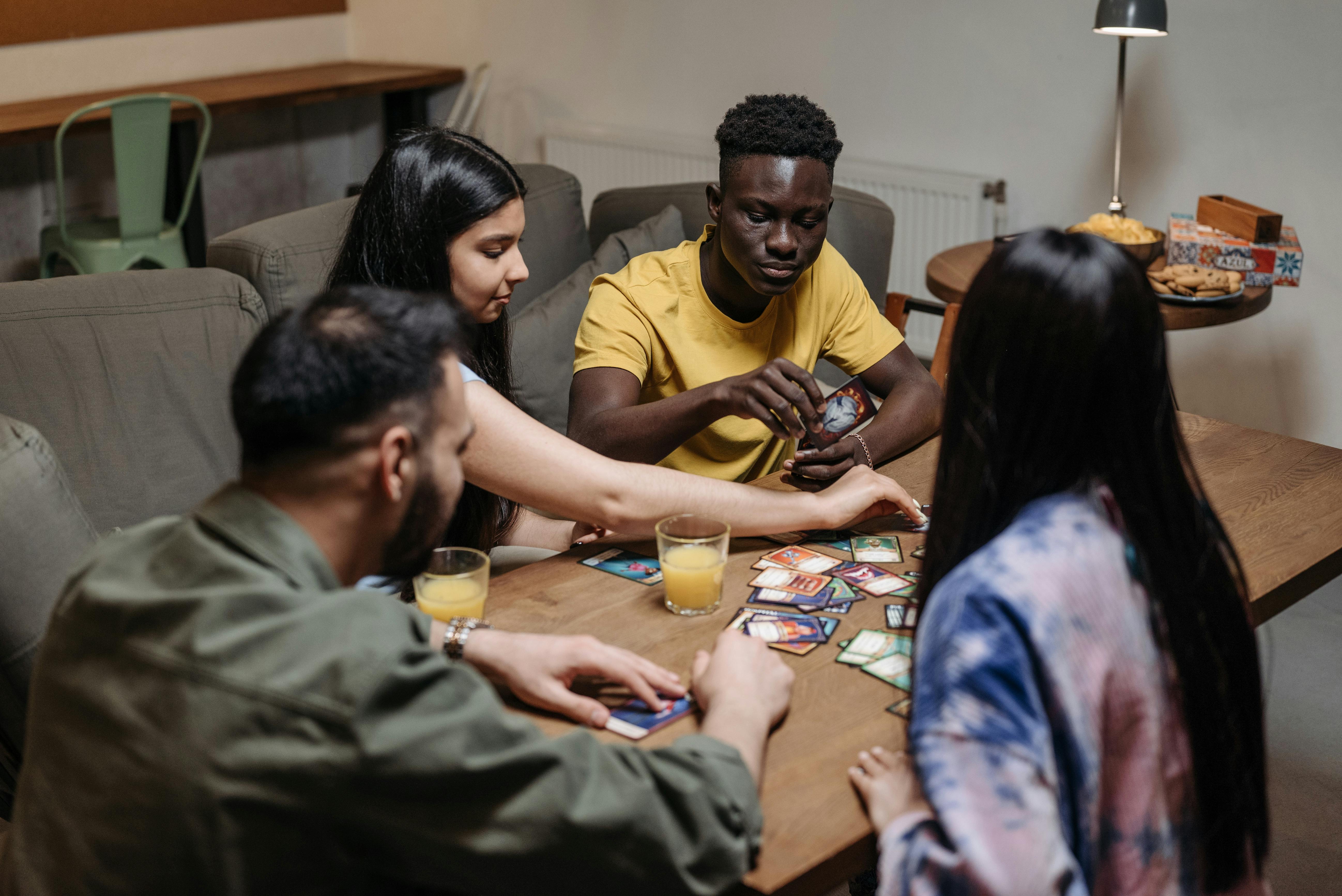
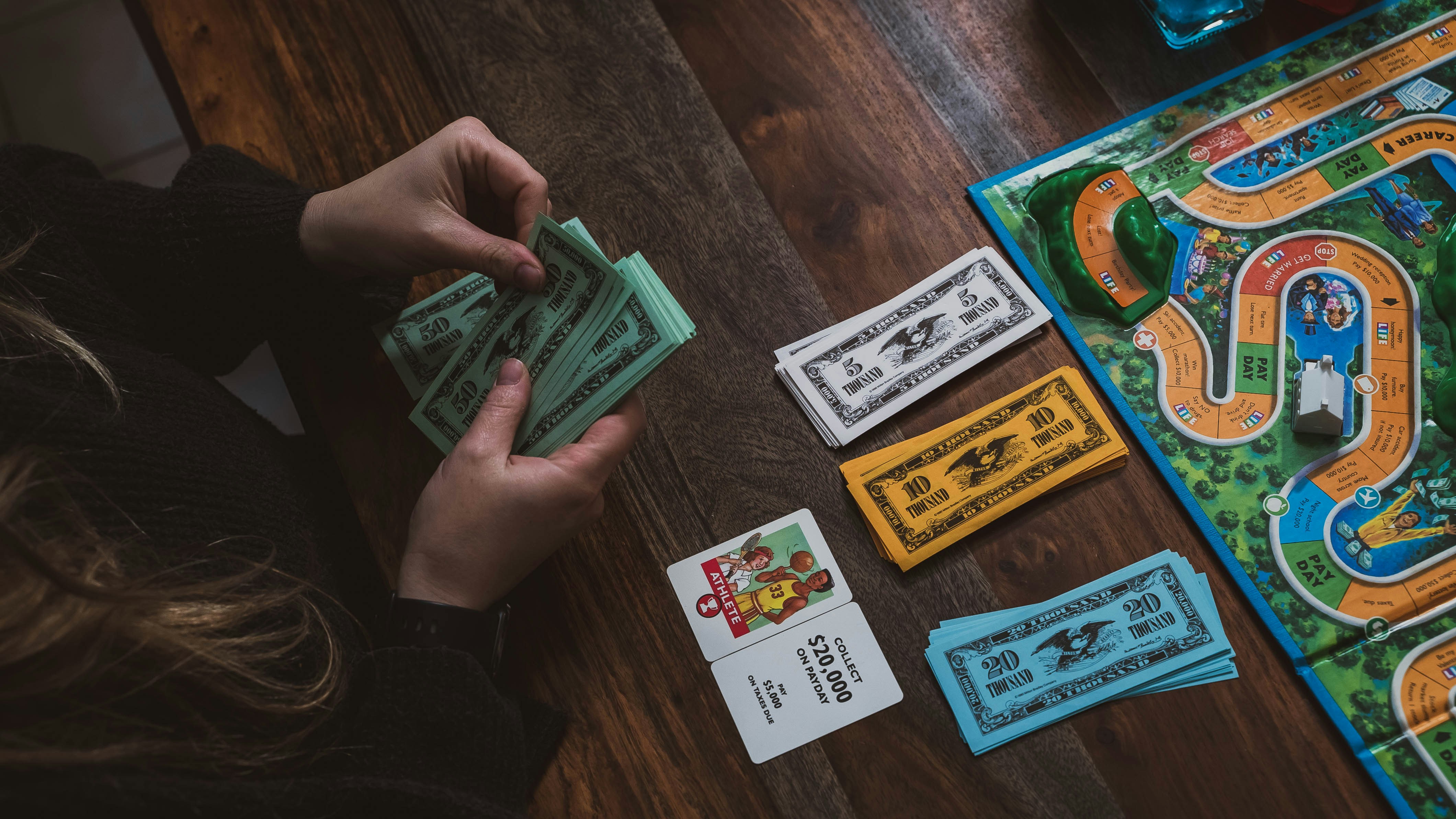
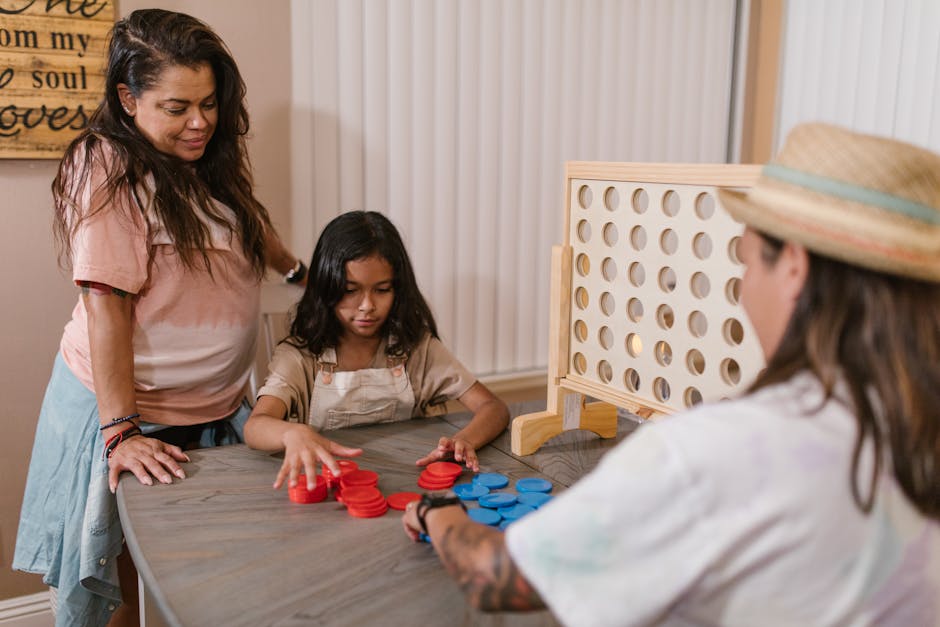
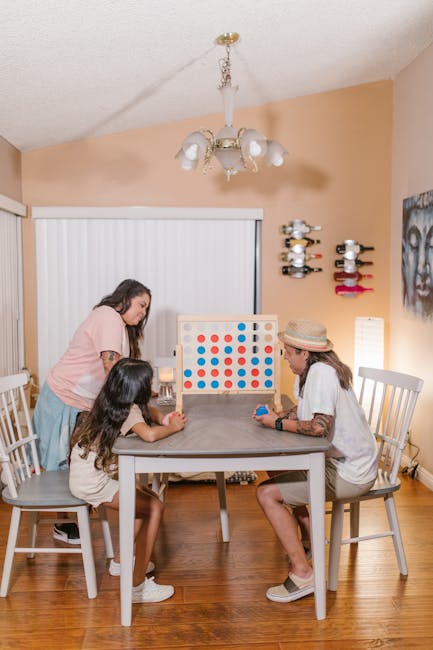
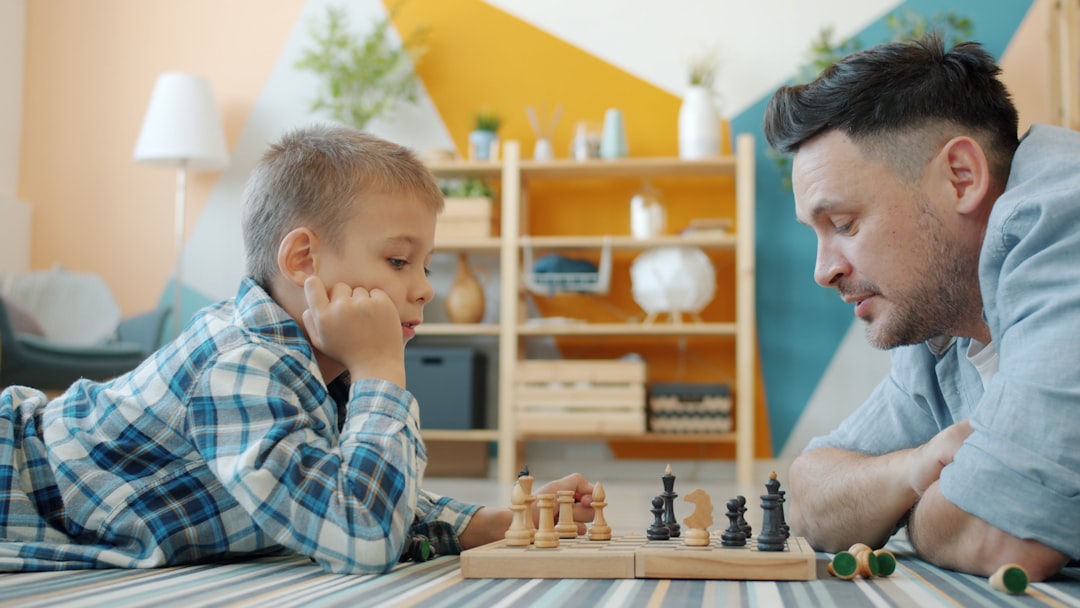
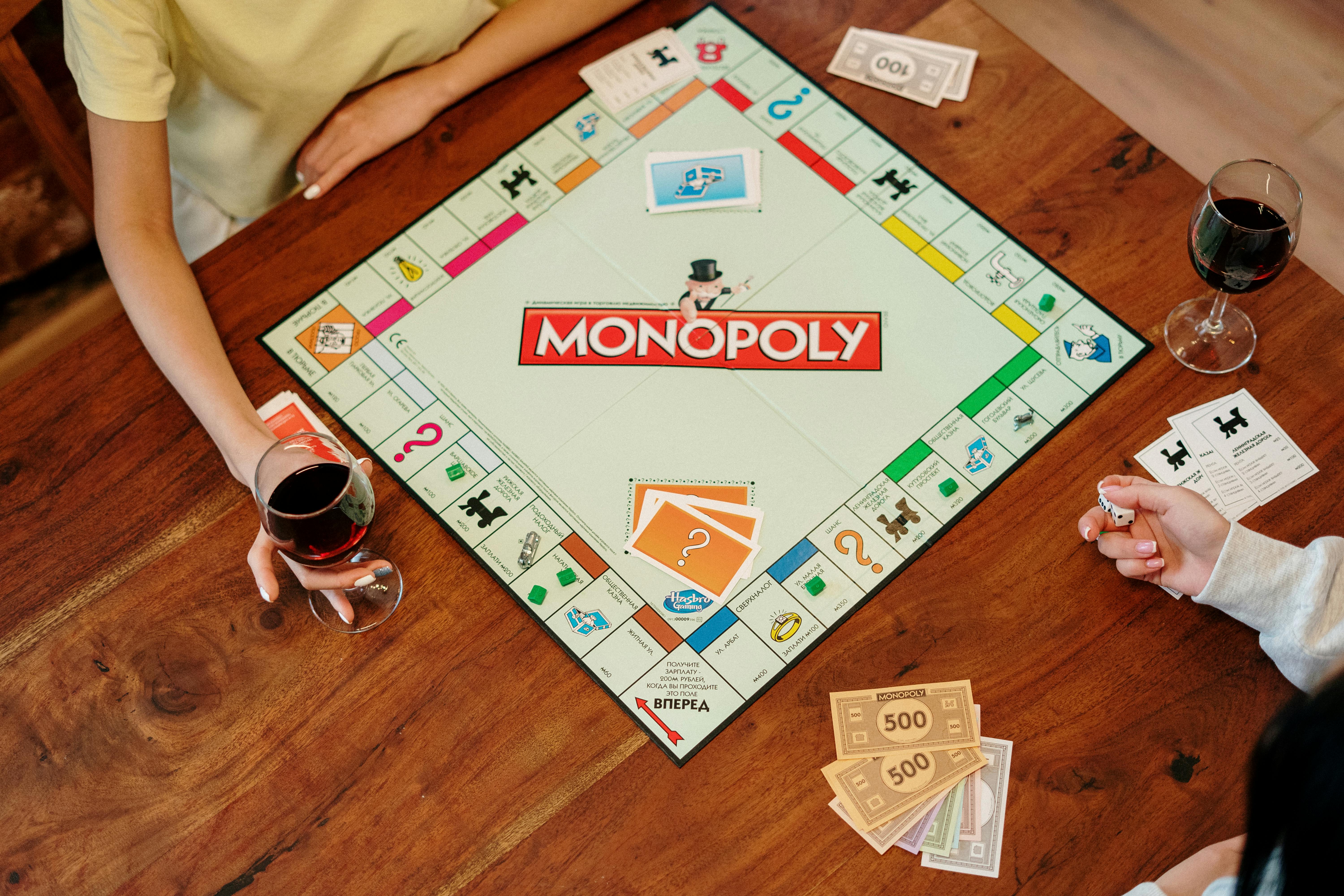
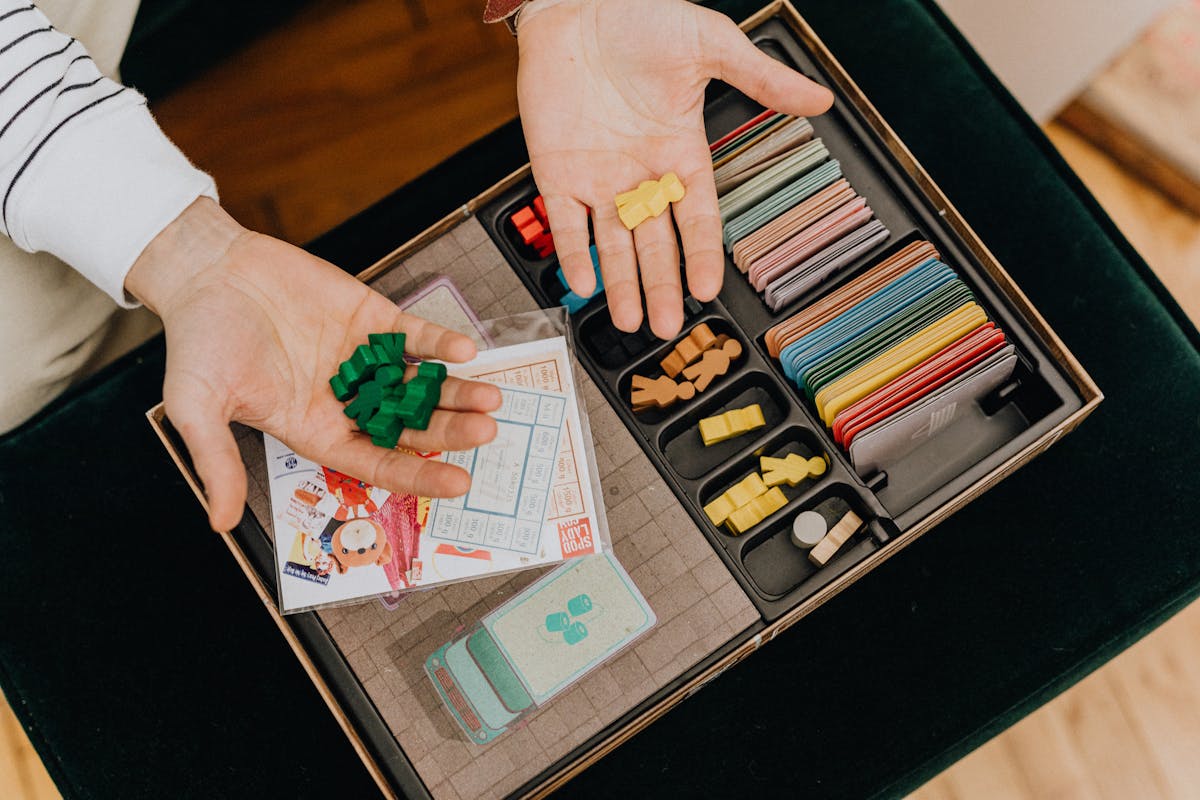
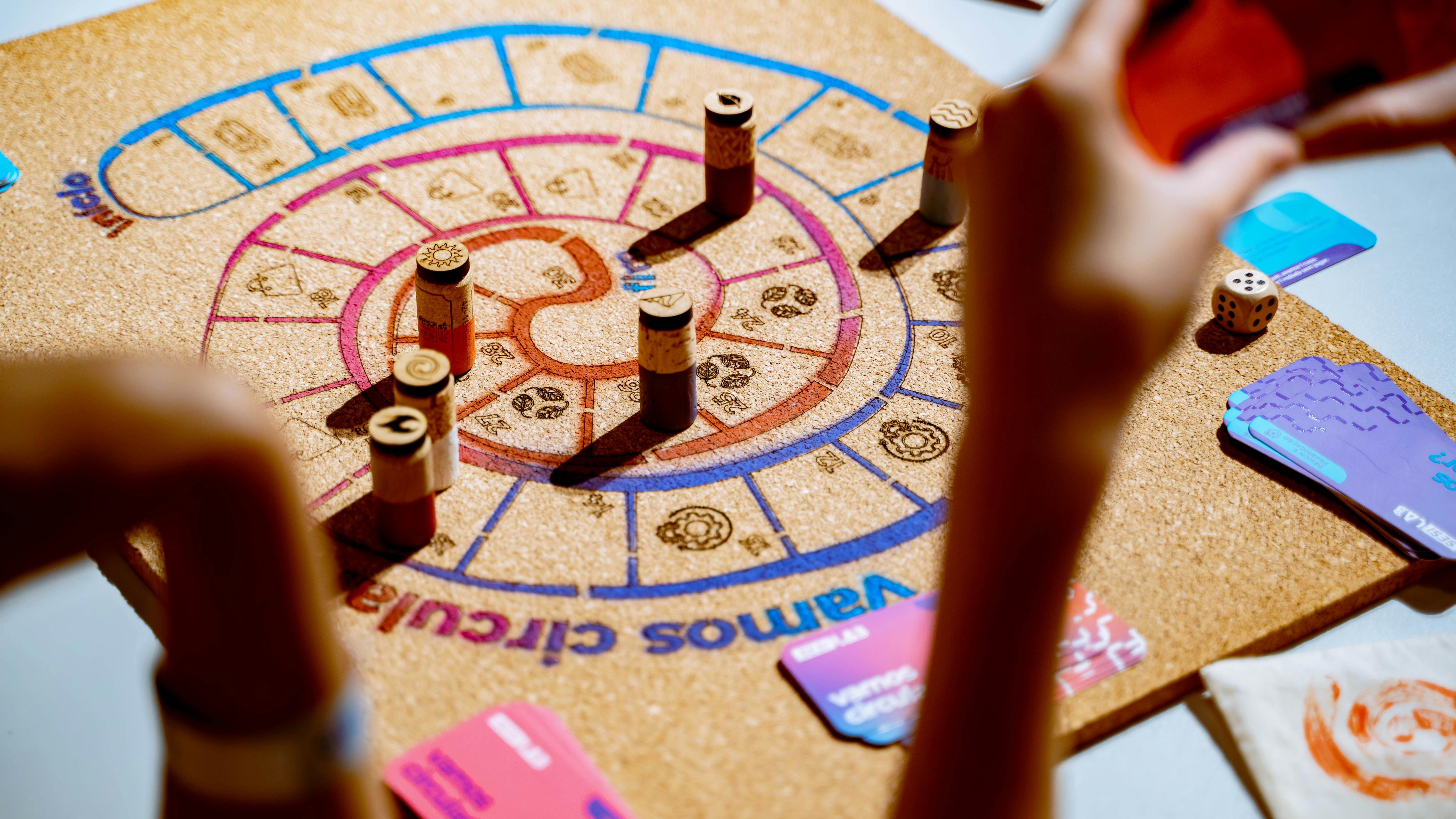
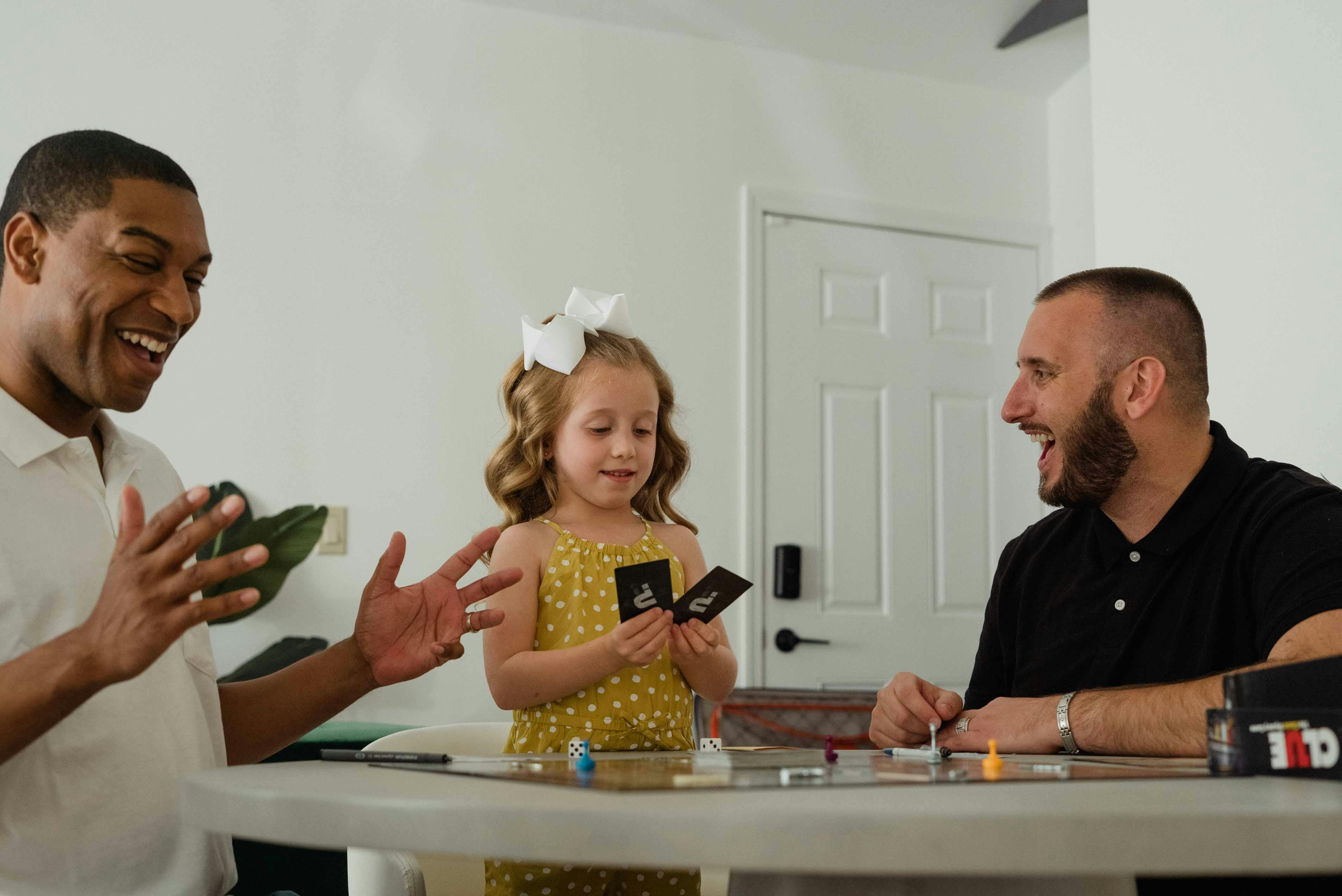
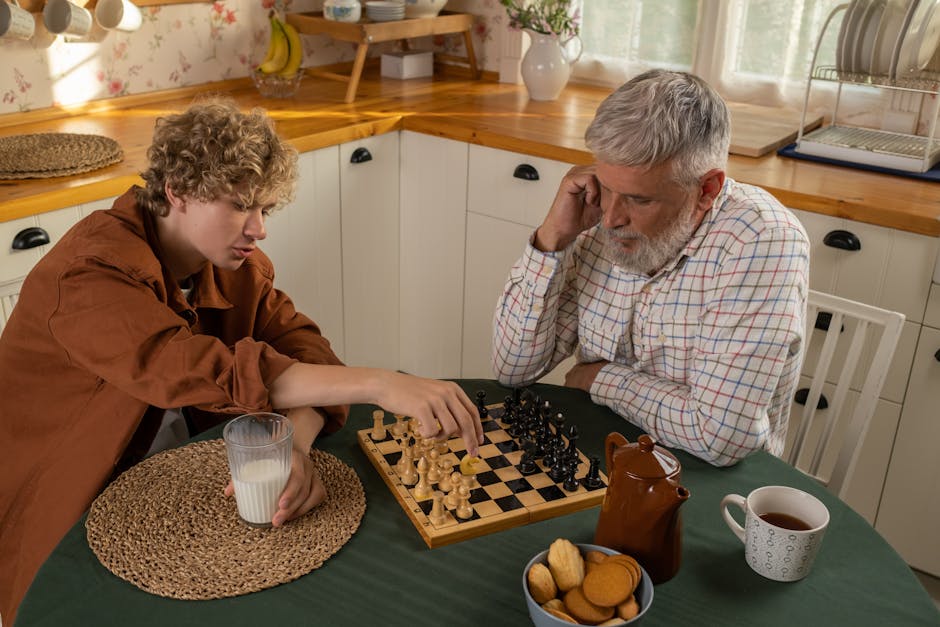
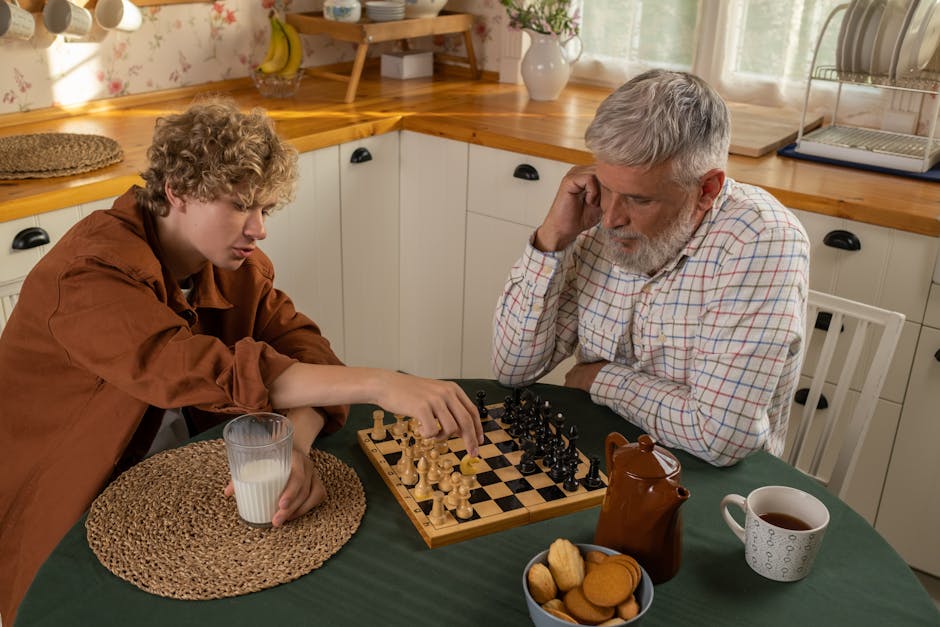
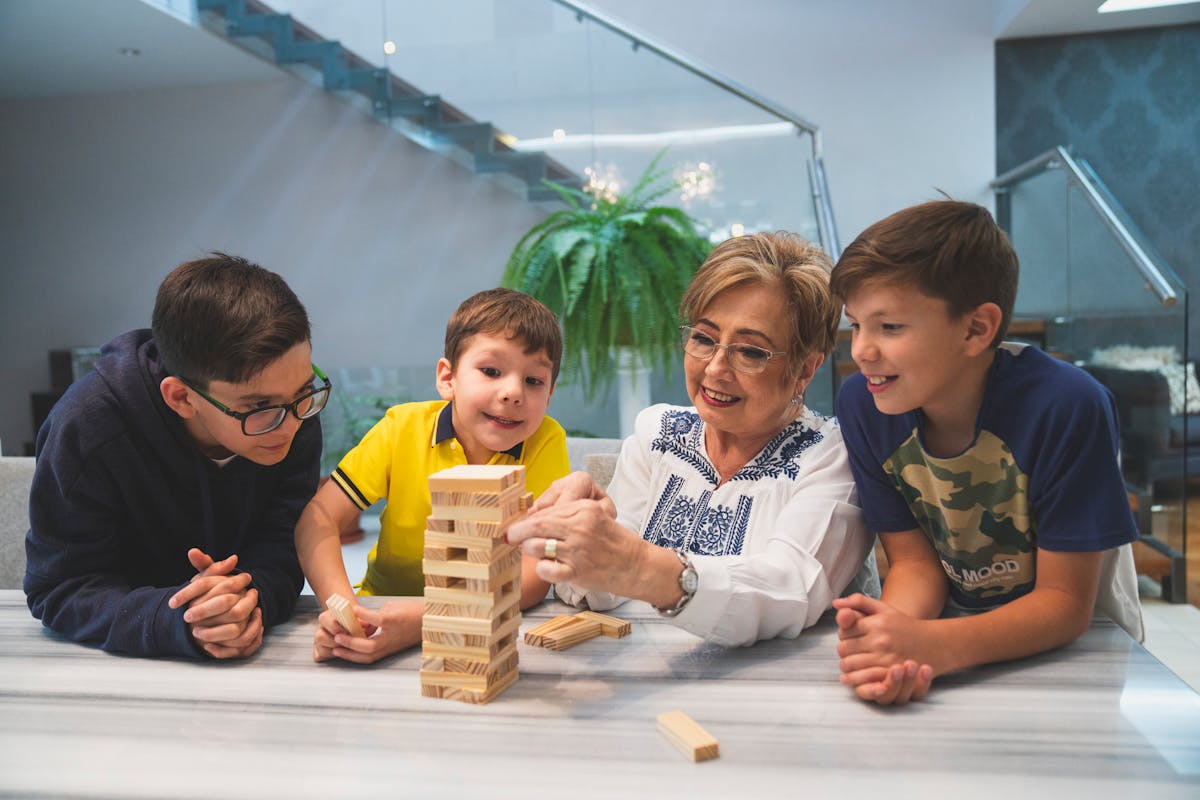
Family putting away tablets and phones to play board game together
News

Screen Fatigue Hits Peak: Families Rediscover Board Games

New research shows UK families spending 23% less time on screens and 41% more on tabletop gaming. What's driving the shift—and is it sustainable?

8 min read
#screen fatigue board games#families screen time reduction#board game revival 2025#digital detox gaming#analog gaming trend#screen-free family activities#tabletop gaming growth

TL;DR

After years of rising screen time, 2024-2025 marks a turning point. Ofcom data shows intentional screen reduction in 67% of UK households with children, with board games cited as the top replacement activity. Industry sales reflect this: strategy games up 34%, family games up 28%. The shift appears structural, not cyclical.


Something's happening in British living rooms—and it's happening quietly, device by device.

After a decade of screen time expanding into every crevice of family life, the tide is turning. Not because of government mandates or parental guilt, but because families are discovering something screens can't provide: genuine presence.

The numbers tell the story. But the story behind the numbers tells us more.

The Data: What's Actually Changing

Ofcom's 2024 Media Literacy Tracker—the most comprehensive UK study of media consumption—revealed startling shifts in household behaviour:

| Metric | 2022 | 2024 | Change | |--------|------|------|--------| | Average child screen time (daily) | 5.7 hours | 4.4 hours | -23% | | Households reporting "intentional reduction" | 41% | 67% | +26 pts | | Board game ownership (3+ games) | 52% | 68% | +16 pts | | Weekly family game night | 18% | 31% | +13 pts |

Source: Ofcom Media Literacy Tracker 2024

The pattern is consistent across demographics. Urban and rural. High and low income. North and South. Something universal is shifting.

Why Now? The Confluence of Factors

1. Pandemic Hangover Finally Processed

During lockdowns, screens were lifelines. Home schooling, remote work, entertainment—digital devices earned their keep. But the relief of "at least they're occupied" has given way to concern about dependency.

Parents who couldn't limit screens during a crisis are now reasserting boundaries. The pandemic created habits; post-pandemic reflection is breaking them.

2. Visible Mental Health Correlation

The link between heavy screen use and adolescent mental health problems has moved from academic journals to kitchen tables. Parents don't need to read studies—they see the effects.

We're witnessing a collective realisation that something went wrong. The phone-based childhood created symptoms too obvious to ignore. Parents are looking for alternatives, and they're finding them in activities that require presence and attention.

Dr. Jonathan Haidt, Author, The Anxious Generation

3. Children Themselves Requesting Change

Perhaps most surprisingly, children are participating willingly. The "digital native" generation is developing a more nuanced relationship with technology than assumed.

In the Ofcom study, 43% of 10-14 year olds agreed that "I spend too much time on screens." The percentage preferring "activities with family" rose from 31% to 47% between 2022 and 2024.

4. Government Messaging (Finally) Landing

UK public health campaigns around screen time have historically been ineffective. But the cumulative weight of messaging—from NHS guidelines to school communications—appears to be having delayed impact.

Particularly significant: the framing shift from "screens are bad" to "what replaces screens matters." Constructive alternatives, not just abstinence, are being promoted.

Where Board Games Fit

When families reduce screens, they need replacements. Not all alternatives are equal:

| Replacement Activity | Adoption Rate | Sustained Use | Family Bonding | |---------------------|---------------|---------------|----------------| | Board/card games | 64% | High | Very high | | Reading together | 58% | Medium | Medium | | Outdoor activities | 71% | Weather-dependent | High | | Crafts/creative projects | 43% | Medium | Medium | | Cooking together | 52% | High | High |

Source: Parentkind Survey 2024

Board games score highest on "sustained use" because they require minimal preparation, work indoors, and scale naturally to available time. You can play a game in 30 minutes; you can't complete a craft project that quickly.

The Market Response

Toy and game retailers confirm the trend:

  • John Lewis: Family games category up 28% year-on-year (Q3 2024)
  • Waterstones: Board game section expanded in 40% of stores
  • Independent game shops: Record footfall, up 34% across UK (per Midland Game Retailers Association)

The type of games selling reveals priorities. Not quick-fix party games, but substantive family strategy games:

| Game Category | Growth (YoY) | Average Price Point | |--------------|--------------|---------------------| | Strategy (family) | +34% | £35-50 | | Educational | +41% | £25-45 | | Cooperative | +29% | £30-50 | | Party games | +8% | £15-25 | | Classic reprints | +12% | £15-30 |

Parents are investing in games that justify the screen replacement—games with depth, replay value, and ideally, educational merit.

Three years ago, games were a Christmas-only category. Now they're evergreen. Parents are treating them as ongoing investments, like books. And they're willing to pay more for quality.

Sarah Thompson, Buyer, John Lewis

Is This Sustainable?

Sceptics note that anti-screen sentiment surges periodically before fading. Is this different?

Arguments for Sustainability

Structural support: Schools, employers, and health services now actively promote digital balance. The cultural infrastructure supports the shift.

Child buy-in: Unlike previous top-down attempts, this movement includes children as participants, not just subjects.

Quality alternatives exist: The modern board game renaissance means genuinely excellent games are available. Previous attempts to reduce screens lacked compelling replacements.

Economic reality: Game cafés, board game sections in bookshops, and mainstream media coverage have normalised tabletop gaming. It's no longer niche.

Arguments for Caution

Tech keeps improving: AI, VR, and more immersive digital experiences will continue to compete for attention.

Parental exhaustion: Playing games requires active participation. Screens don't. Tired parents may drift back.

Social pressure: If friends are online, children face social costs for being offline.

What Families Are Actually Doing

Beyond statistics, here's what the shift looks like in practice:

The "No Phones at Table" Boundary Simple but effective. Meals and game time become screen-free zones. Enforcement gets easier as it becomes habitual.

The Weekly Game Night Scheduled commitment, like sports practice or music lessons. Diary blocking ensures it actually happens.

The Screen Budget Children allocated weekly screen time, spent however they choose. Once it's gone, it's gone. Games become the default fallback.

The Library Visit Public libraries now stock board games for borrowing. Families "try before they buy" and rotate through new games cheaply.

The Game Café Culture Monthly visits to board game cafés (now present in most UK cities) as special outings. Social, activity-based, and screen-free.

Implications for Game Designers and Publishers

The opportunity is obvious, but the challenge is meeting it:

What Families Want

  • Teachable in under 15 minutes
  • Playable across ages (8-80)
  • Meaningful decisions, not just dice rolling
  • Completion in 45-60 minutes
  • Quality components that feel worth the investment
  • Educational value that doesn't feel preachy

What to Avoid

  • Complexity that excludes casual players
  • Themes that appeal only to niche audiences
  • Games designed primarily for experienced gamers
  • Excessive setup time
  • Fragile components

Games like Smoothie Wars succeed precisely because they're designed for this moment: accessible enough for tired parents, deep enough to justify repeated play, educational enough to feel virtuous.

Frequently Asked Questions

Is this just middle-class families?

The data shows broad demographic adoption. Lower-income families, if anything, show stronger reduction trends—possibly because screens have been more problematic in households with less supervision bandwidth.

Won't children resent the restrictions?

Initial resistance is common, but adaptation is fast. Children typically embrace alternatives once provided. The resentment narrative is more about parental anxiety than child reality.

What about educational screen time?

Most families distinguish between entertainment and educational screens. The reduction targets passive consumption (YouTube, social media, gaming) more than productive use.
Are board games the only alternative?

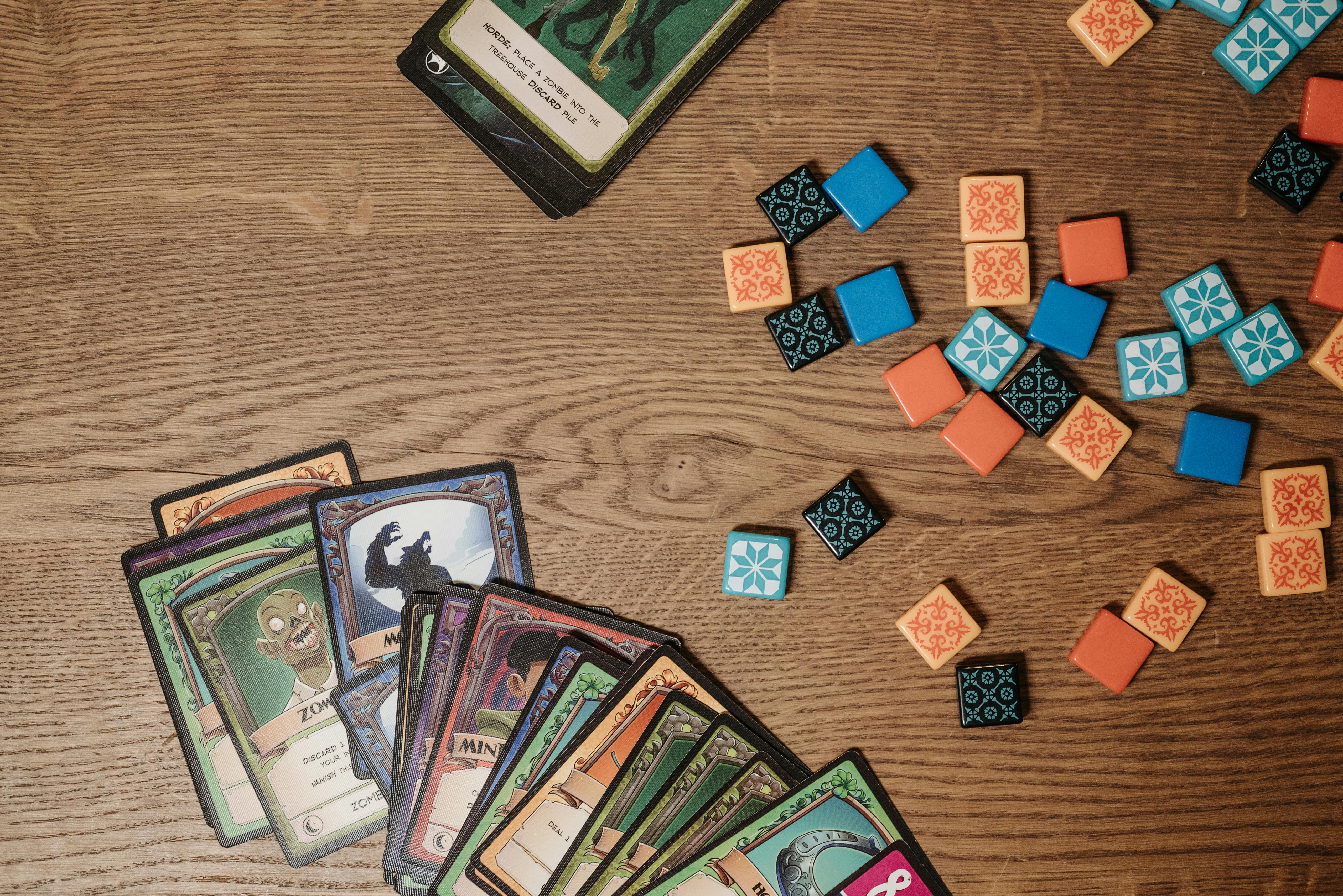
No, but they're the most sustainable indoor option. Outdoor activities are seasonal; crafts require materials and cleanup; reading is often solitary. Games offer reliable, social, reusable activity.


The screen-fatigue trend isn't a fad. It's a correction—families recalibrating after a decade of drift toward digital dependence.

What replaces screens matters enormously. Board games, designed for presence and interaction, are perfectly positioned for this moment.

The real question isn't whether families will continue turning to games. It's whether the industry can meet demand for games worth turning to.


Curious about what younger generations specifically want from gaming? Our analysis of Gen Z and the analog gaming renaissance explores the demographic nuances.