TL;DR
The "quiet luxury" movement—subtle, quality-focused consumption—has reached board gaming. Industry watchers report the premium (£50+) segment growing faster than mass-market titles in recent years. Buyers cite craftsmanship, longevity, and screen-free prestige as key motivators. Independent publishers like Smoothie Wars benefit from consumers seeking "fewer, better things."
Walk into any tastefully decorated home in 2025, and you'll notice something curious sitting on the coffee table or displayed on a shelf. Not a £200 candle. Not an artisanal chess set that nobody plays. An actual board game—beautiful, substantial, and clearly well-loved.
Welcome to quiet luxury gaming.
What Is "Quiet Luxury"?
The term emerged from fashion in 2023, describing a shift away from logo-heavy conspicuous consumption toward understated quality. Think cashmere over branded hoodies. Craftsmanship over clout. The £500 jacket that looks like £100 but will last twenty years.
This philosophy has infiltrated virtually every consumer category—and board games are no exception.
Industry watchers such as NPD Group and ICv2 have reported the premium (£50+) board game segment outpacing overall market growth in recent years, though exact year-on-year figures vary by source and shouldn't be treated as a single settled number
Source:
Where once gaming was dominated by mass-market titles sold at supermarkets, today's discerning buyers are investing in fewer, higher-quality games. They'd rather own five exceptional games than fifty mediocre ones.
The Anatomy of a Premium Game
What distinguishes a "quiet luxury" board game from its mass-market counterpart?
| Element | Mass-Market Approach | Premium Approach |
|---|---|---|
| Components | Thin cardboard, plastic tokens | Linen-finish cards, wooden pieces, metal coins |
| Box | Flimsy, generic inserts | Custom fit, magnetic closure, display-worthy |
| Art | Functional, corporate | Commissioned, cohesive, gallery-quality |
| Rules | Dense paragraphs | Illustrated, intuitive, booklet format |
| Replay value | Limited | Extensive, designed longevity |
| Price point | £15-30 | £50-120+ |
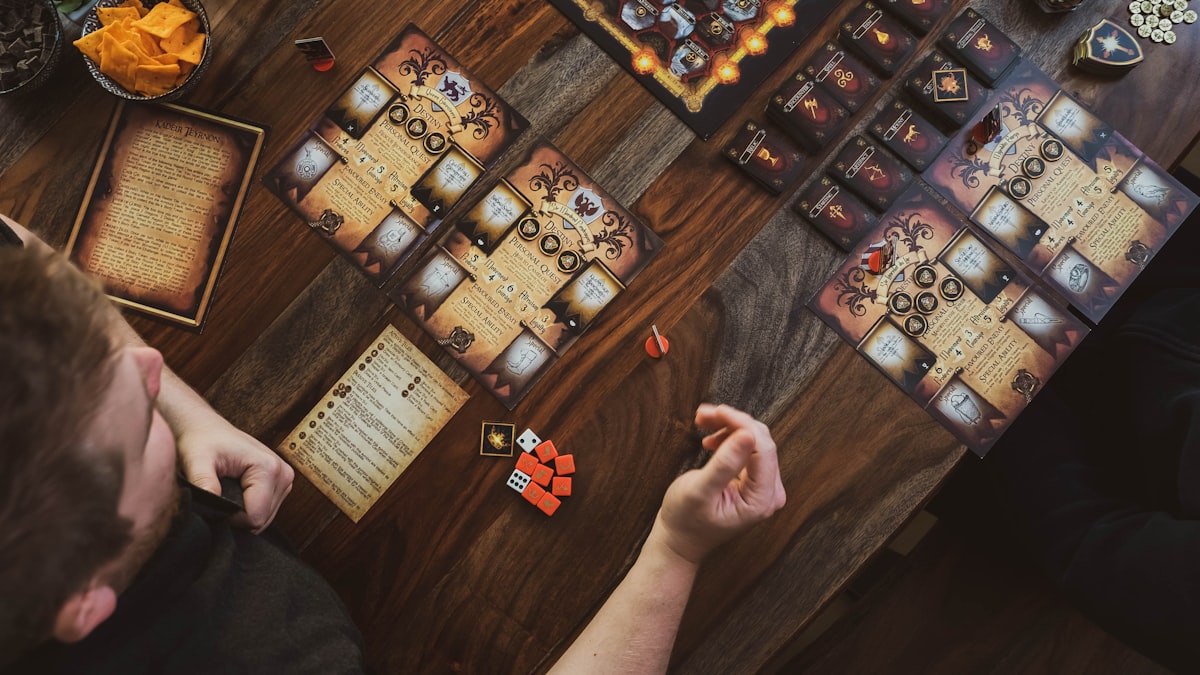
The physical difference is immediately apparent. Premium games feel substantial. They smell like quality materials. They invite touching, displaying, and protecting.
Premium publishers increasingly talk about spending as much time designing the unboxing experience as the game itself. That first moment when someone lifts the lid—the weight, the organisation, the reveal—sets expectations for everything that follows.
Why Now? The Convergence of Trends
Several cultural shifts explain the premium gaming surge:
1. Screen Fatigue Reaches Critical Mass
After years of pandemic-accelerated screen time, consumers actively seek tangible, offline experiences. A beautifully crafted board game represents the anti-screen: physical, social, slow, and intentional.
2. The Experience Economy Matures
Millennials and Gen X, now in peak spending years, prioritise experiences over stuff—but also quality stuff that enables experiences. A premium game sits at this intersection: it's an object, but an object designed for shared human moments.
3. Sustainability Consciousness
Cheap, disposable products are falling out of favour. Consumers increasingly ask: "Will I still want this in ten years?" A £90 game played fifty times over a decade beats five £20 games that gather dust.
4. Status Signalling Evolves
Displaying taste and discernment has become more subtle. A carefully curated game shelf signals intelligence, sociability, and design appreciation—without the overt materialism of branded luxury goods.
The Numbers Behind the Shift
Industry data confirms the anecdotal trend:
| Trend | Direction |
|---|---|
| Average game purchase price (UK) | Rising |
| Games purchased per household (active gamers) | Falling |
| "Premium" segment market share | Rising |
| Crowdfunding average pledge | Rising |
Market-research firms including NPD Group and ICv2, along with Kickstarter's own category reporting, have tracked these directional trends in recent years. We've deliberately left out precise year-on-year figures here, since exact numbers vary by source and methodology and we don't want to attach false precision to a real trend.
The pattern is fairly consistent across sources: consumers appear to be buying fewer games at higher price points. Quality over quantity.
The Independent Publisher Advantage
Interestingly, this shift benefits smaller, quality-focused publishers disproportionately. When consumers research purchases carefully—reading reviews, watching playthroughs, asking communities—the mass-market distribution advantage erodes.
A game like Smoothie Wars, designed by an independent creator with attention to educational value and component quality, can compete with corporate giants on these terms. The story behind the game—a British doctor designing something for families to learn business fundamentals through play—becomes part of the value proposition.
I didn't design Smoothie Wars to be cheap. I designed it to be played a hundred times. That means quality components that survive excited children, rules that reward replay, and mechanics that reveal depth over years, not minutes.
How Consumers Choose Premium Games
Understanding the premium buyer's decision process reveals the criteria that matter:
Research Depth
Premium buyers spend 2-5x longer researching before purchase. They read BoardGameGeek reviews, watch YouTube playthroughs, and ask for opinions in communities. Impulse purchases are rare.
Longevity Focus
"Will my family still play this in five years?" dominates decision-making. Games with strategic depth, variable setups, and family-friendly accessibility score highest.
Component Photography
High-quality component images heavily influence purchase decisions. Buyers want to see the thickness of cards, the finish of tokens, the organisation of the box.
Provenance Matters
Who made this game? Why? Independent creators with compelling stories outperform faceless corporate releases. Authenticity signals quality intent.
Gift Potential
Premium games are often purchased as gifts—birthday presents, Christmas surprises, housewarming offerings. The unboxing experience becomes part of the gift.
What This Means for the Market
For Publishers
Invest in components. The marginal cost increase for linen-finish cards or wooden tokens is repaid through higher margins and stronger reviews. Don't compete on price—compete on quality.
For Retailers
Stock fewer SKUs, deeper. Train staff to discuss game quality rather than just genres. Create "premium games" sections with appropriate presentation.
For Designers
Design for the long term. Games that reveal strategic layers over multiple plays suit the premium mindset better than those that exhaust themselves quickly.
For Consumers
Research deeply, buy less frequently, play more. A curated collection of ten excellent games provides more joy than an overflowing shelf of forgotten purchases.
The Display Factor: Games as Décor
Perhaps the most visually obvious manifestation of quiet luxury gaming: games designed to be displayed.
Premium publishers now consider "shelf appeal" a design requirement. Games with beautiful box art, standard sizing for shelving, and aesthetic component design serve dual purposes—played during game nights, displayed otherwise.
This isn't superficiality. It's recognition that a £80 purchase deserves visibility. When games are hidden in cupboards, they're played less. When they're visible reminders, they're invitations.
Some households now feature dedicated "game walls"—shelving designed specifically for board game display, often in living rooms rather than spare bedrooms. Instagram and Pinterest show thousands of examples.
Criticism and Counter-Trends
Not everyone celebrates the premiumisation of gaming.
Accessibility concerns: Higher price points exclude budget-conscious families. Some argue gaming should remain affordable and accessible.
Diminishing returns: At a certain point, linen-finish cards don't meaningfully improve the play experience. Is the industry selling quality or perceived quality?
Environmental considerations: More elaborate production means more materials and shipping complexity. Some question whether sustainable gaming means simpler, not fancier.
These are legitimate tensions. The ideal position is probably a market with diverse price points—mass-market options for accessibility, premium options for those who prioritise quality, and transparent communication about what you're paying for at each tier.
Frequently Asked Questions
Does paying more mean a better game?
Not automatically. Price correlates with component quality and production values, but game design quality is separate. Read reviews for gameplay assessment; inspect components for physical quality.
How can I tell if a game is genuinely premium?
Look for specific component descriptions (linen finish, wooden tokens, UV spot varnish, metal coins). Read enthusiast reviews that discuss component quality. Weight is often a proxy—heavier games typically have more substantial components.
Are premium games better value long-term?
Often yes. Higher durability means more plays before replacement. Better design often means more replay value. The cost-per-play equation frequently favours quality.
Is Smoothie Wars a premium game?
It sits at the quality-focused end of the accessible price range—designed for longevity and replay rather than mass-market minimum viable product. Components are selected for durability under family use.
The quiet luxury movement isn't about showing off wealth. It's about thoughtful consumption—choosing objects that justify their existence through quality, longevity, and purpose.
Board games fit this philosophy perfectly. They bring people together. They challenge minds. They create memories. The best ones deserve pride of place on your shelf.
What's on yours?
Interested in the broader gaming market trends? Read our analysis of Gen Z driving the analog gaming renaissance for more context.