TL;DR
Sore losing is developmental, not moral failure. The goal is emotional regulation, not suppression. Key tactics: validate feelings before redirecting, model good losing yourself, create recovery rituals, and choose games with multiple ways to feel successful. Progress comes through repeated exposure, not lectures.
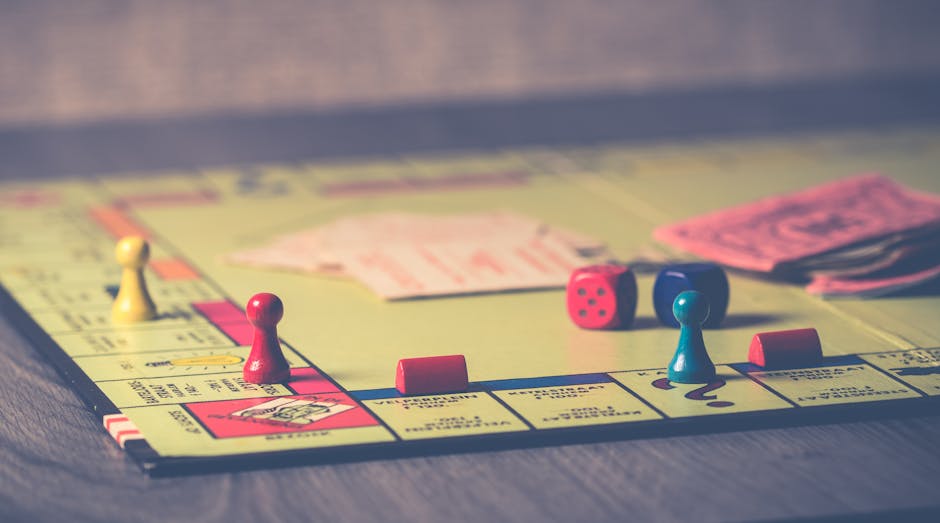
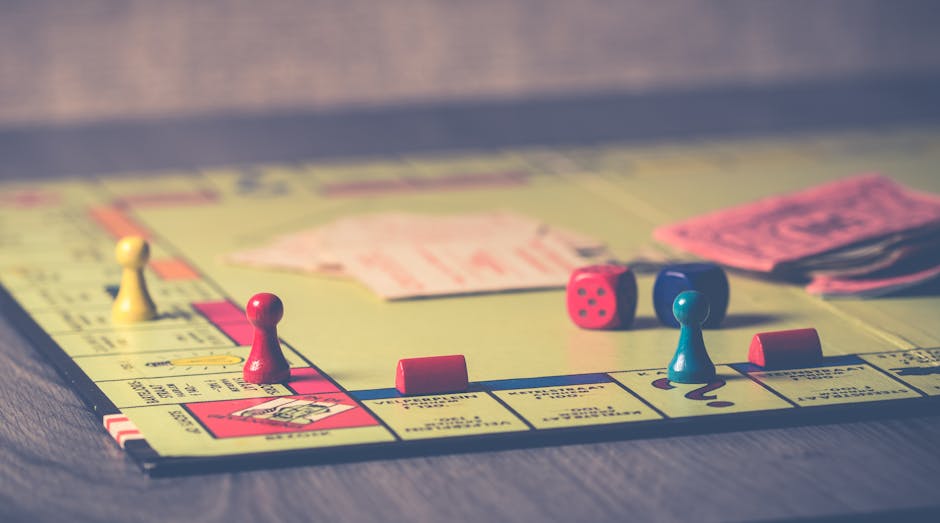
It was meant to be a fun family game night.
Then your youngest lost. Again. And now there are cards scattered across the floor, tears streaming, and everyone wondering whether games are worth the trouble.
Sound familiar?
Sore losing is among the most common challenges parents face with family gaming. It's frustrating, it's disruptive, and it makes you question whether you should bother at all.
Here's the good news: it's fixable. And the fixing process teaches skills that transfer far beyond game night.
Understanding What's Actually Happening
Sore losing isn't moral failure. It's emotional regulation failure—and emotional regulation is a skill still under construction in children's brains.
The Neuroscience
The prefrontal cortex—responsible for impulse control, perspective-taking, and emotional regulation—doesn't fully develop until the mid-twenties. In children, the emotional brain (amygdala) fires faster and stronger than the rational brain can manage.
When a child loses:
- Amygdala registers threat (status, competence, belonging challenged)
- Stress hormones release
- Rational processing shuts down
- Emotional response takes over
This is biology, not character.
"Children who have meltdowns aren't being defiant—they're in a state of 'flipping their lid.' The rational brain has temporarily disconnected from the emotional brain. We can't reason with them until reconnection happens."
Developmental Norms
| Age | What's Normal | What Needs Attention |
|---|---|---|
| 4-5 | Tears, quitting mid-game | Violence, extreme duration |
| 6-7 | Sulking, blaming luck | Unable to finish any game |
| 8-9 | Irritability, rule-lawyering | Every loss triggers crisis |
| 10-12 | Brief frustration, quick recovery | Extended withdrawal, depression |
| 13+ | Adult-like coping | Reverting to younger patterns |
Some losing frustration is developmentally normal. The question is: is it improving over time?
The Unhelpful Responses (That We All Use)
Before discussing what works, let's acknowledge what doesn't:
"It's Just a Game"
Dismisses their feelings. They don't care that it's "just" anything—the emotion is real.
"You Can't Always Win"
True but unhelpful in the moment. They know this intellectually; their emotions haven't caught up.
"Don't Be Such a Sore Loser"
Labels them, creates shame, doesn't teach alternatives.
"If You Can't Lose Nicely, We Won't Play Anymore"
Punishment threatens connection. Also, avoiding games prevents practice.
Letting Them Win
Short-term peace, long-term harm. They don't learn to cope because they never face the challenge.
The Effective Response Framework
Step 1: Validate Before Redirecting
First, acknowledge the feeling:
"You're really disappointed. You wanted to win, and it didn't happen this time. That's frustrating."
This isn't agreement or approval—it's recognition. It helps the child feel understood, which is prerequisite to regulation.
Step 2: Separate Behaviour from Feeling
After validation:
"It's okay to feel frustrated. It's not okay to throw cards."
Feelings are always valid. Actions have limits.
Step 3: Offer Recovery Path
"Would you like a minute to calm down, and then we can talk about what happened?"
Give them agency in their recovery. Don't force immediate participation.
😤 Situation: Child flips the board in anger
Effective response: 'I can see you're really upset. Let's pause. When you're ready, we'll pick up together, and you can tell me what happened.' Don't lecture immediately; give time for the emotional brain to resettle.
😤 Situation: Child refuses to finish the game when losing
Effective response: 'It's hard to keep playing when you're behind. Let's finish this game together, even if you lose. You might be surprised—and either way, finishing is important.' Gentle insistence, not punishment.
😤 Situation: Child accuses winner of cheating
Effective response: 'That's a serious accusation. I didn't see cheating, but I understand you're upset. Sometimes losing feels unfair even when it isn't. Let's talk about what happened.'
Proactive Strategies (Before Games)
Prevention beats intervention:
Choose Games Wisely
| Game Type | Sore Loser Risk | Better For Sensitive Kids |
|---|---|---|
| Pure skill | High | Avoid until resilience builds |
| High luck | Medium | Losses feel less personal |
| Cooperative | Low | Everyone wins or loses together |
| Multiple winners | Medium | Second place feels acceptable |
| Point salad | Medium | Everyone scores something |
Start sensitive children with cooperative games or games where everyone earns points.
Set Expectations Beforehand
Before playing:
"In this game, someone will win and others won't. That's how games work. How we handle not winning matters more than the result. What's your plan if you don't win today?"
Having them articulate a plan creates commitment.
Model Good Losing
When you lose:
- Say "Good game!" sincerely
- Point out what the winner did well
- Acknowledge your disappointment briefly
- Commit to trying again
Children watch everything. Your response teaches more than your words.
Create "Recovery Rituals"
After every game, regardless of outcome:
- Each person names their best move
- Each person names something an opponent did well
- Handshakes or high-fives all around
The ritual normalises endings and distributes attention away from just the winner.
When It's Not Getting Better
Some children struggle longer than peers. Warning signs:
- No improvement over 6+ months of regular play
- Intensity increasing rather than decreasing
- Meltdowns generalising beyond games
- Social relationships affected by competitive responses
If these apply, consider:
Professional Support
- Child psychologist familiar with emotional regulation
- Play therapist who uses games therapeutically
- School counsellor for classroom-related issues
Environmental Adjustments
- Reduce competitive exposure temporarily
- Focus exclusively on cooperative games
- Practice losing in very low-stakes contexts
Rule Out Underlying Issues
Extreme losing responses can indicate:
- Anxiety disorders (catastrophic thinking)
- ADHD (impulse control challenges)
- Autism spectrum (rigid thinking about fairness)
- Perfectionism (unhealthy achievement orientation)
These aren't gaming problems—they're broader challenges that manifest in gaming.
Gentle-parenting writers such as Dr Laura Markham of AhaParenting.com generally advocate a similar principle in this territory: the child who struggles most with losing often needs the most practice, but at an appropriate level—much as you wouldn't teach swimming by throwing a child into the deep end. We haven't been able to verify a specific quote from Dr Markham matching wording that previously appeared here, so we've paraphrased the general position instead.
The Adults in the Room
Sometimes, the sore loser isn't a child.
Adult Sore Losers
Adults who struggle with losing usually:
- Had unprocessed childhood issues around competition
- Tie self-worth to performance
- Lack practice with graceful losing
Strategies:
- Self-awareness first (recognise the pattern)
- Commit publicly to better behaviour
- Use humour to defuse ("Here comes my losing face!")
- Debrief honestly after games
When Partners Disagree on Approach
Common tension: one parent wants to "let it go," another wants to address it.
Resolution: agree on consistent approach. Inconsistency confuses children and allows them to play parents against each other.
Success Metrics
How do you know you're making progress?
| Metric | Early Stage | Progress | Mastery |
|---|---|---|---|
| Meltdown frequency | Every loss | Some losses | Rare |
| Recovery time | 20+ minutes | 5-10 minutes | Under 5 minutes |
| Self-awareness | None | Recognises after | Catches during |
| Verbal response | Blaming, crying | "I'm frustrated" | "Good game" |
| Willingness to replay | Refuses | After recovery | Immediately |
Progress isn't linear. Bad days happen. Look at trajectory over months, not individual games.
Frequently Asked Questions
Should we stop playing games until they're older?
No—that prevents practice. Adjust game choice and frequency instead.
My child only loses because siblings are older. Is that fair?
Use handicaps. Give younger players advantages that balance skill differences.
What if my child wins all the time and becomes arrogant?
Arrogance is sore winning—equally important to address. The same emotional regulation applies. "It's okay to be proud. It's not okay to gloat."
Does letting them win sometimes help build confidence?
Occasionally, yes. Regularly, no. They need authentic wins and authentic losses.
At what age should I expect better behaviour?
Steady improvement from age 5-6 onward. Mastery varies enormously. Some adults still struggle.
Every meltdown is a learning opportunity in disguise.
The child who struggles with losing is practising the skill. The parent who responds well is teaching the skill. The family that persists is building resilience together.
Game nights aren't just fun. They're practice for life—where losing is frequent, inevitable, and survivable.
Keep playing.
For the broader perspective on building resilience through gaming, see our losing gracefully guide.