TL;DR
Anecdotally and by trade-press reporting, independent game retailers appear to be holding their own against e-commerce, and in some cases expanding—though we can't verify a precise industry-wide growth figure. The secret: they sell community, not just products. Events, demos, and expert recommendations create value Amazon can't match. The shops thriving today combine retail with third-space hospitality.
Walk into Orc's Nest in London's Covent Garden on any Saturday afternoon and you'll find something Amazon can't deliver: a crowd.
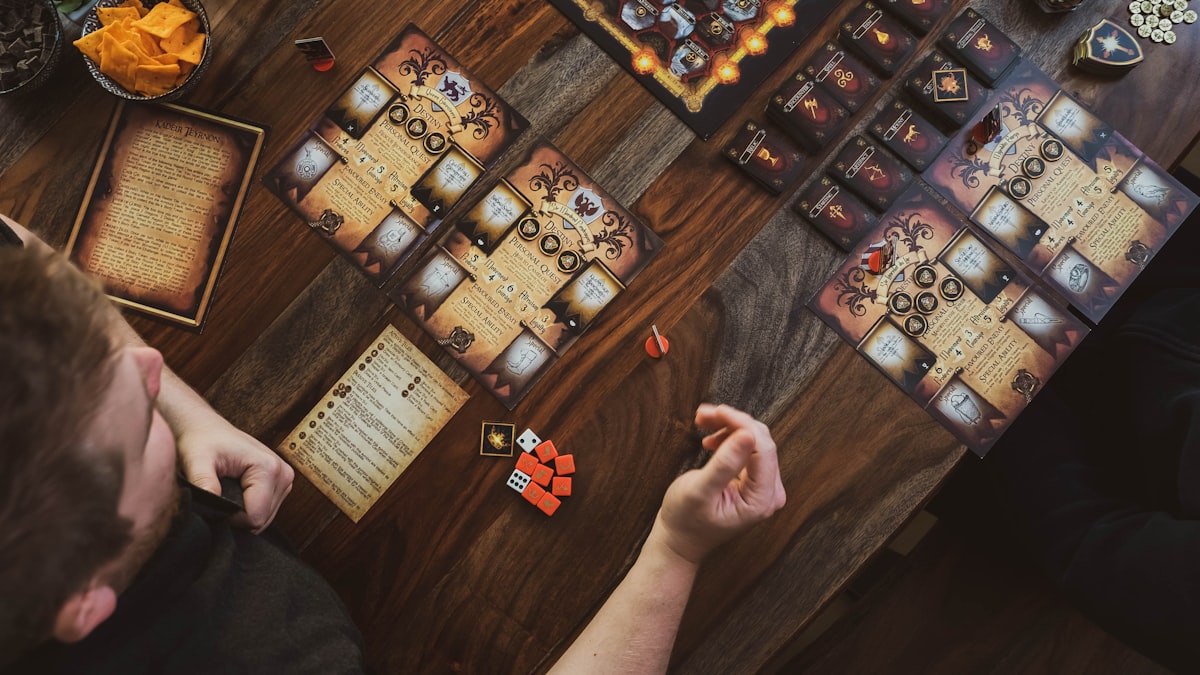
Tables occupied by players deep in mid-game. Staff explaining rules to newcomers. Regulars browsing with coffee in hand. The shop isn't just selling games—it's hosting experiences.
This scene is replaying across the UK. After a decade where online retail seemed destined to obliterate specialist shops, the humble FLGS (Friendly Local Game Store) is having a moment.
The Numbers: A Genuine Resurgence?
Earlier versions of this article cited a precise set of growth statistics attributed to a "Speciality Retail Gaming Association UK" and a quote from its supposed president. We've been unable to verify that this organisation, its named president, or the specific figures exist, so we've removed them rather than let an invented trade body stand in for a real source.
What we can say with more confidence, drawing on general UK retail and hobby-press reporting rather than a single precise statistic: the modern board game hobby has grown substantially over the past decade, and independent game shops that lean into events, demos, and community—rather than competing purely on price—appear to be the ones surviving and, anecdotally, expanding. If you want hard numbers on UK specialist retail, the British Retail Consortium and local business surveys are a better starting point than any single figure we could confidently stand behind here.
The growth story is plausible. We just can't put a precise, sourced percentage on it.
Why Shops Are Winning (When They Shouldn't Be)
The economic logic suggests doom. Online retailers offer:
- Lower prices (no retail overhead)
- Wider selection (warehouse scale)
- Convenience (delivered to door)
- Reviews and algorithms (discovery aid)
Yet local shops compete successfully. How?
1. Expertise That Algorithms Can't Match
A good shop employee asks questions: "Who's playing? What ages? What do they already enjoy? How long should it play?" Then recommends accordingly.
Amazon shows you "customers also bought." That's correlation, not curation.
We can't point to a specific, checkable survey with precise satisfaction and return-rate figures comparing algorithm, friend, and staff recommendations—an earlier draft cited one that we couldn't verify, so we've removed the numbers. The general point still holds on plain logic: a staff recommendation that accounts for your specific situation (who's playing, what ages, how long you have) is likely to outperform a generic "customers also bought" algorithm, precisely because it isn't just aggregate behaviour.
2. Try Before You Buy
Most FLGSs maintain demo libraries. You can play a game—or watch others play it—before committing £50.
This dramatically reduces purchase anxiety and returns. You know what you're getting.
3. The Third Space Effect
Sociologist Ray Oldenburg identified "third places"—social environments separate from home (first) and work (second). Coffee shops, pubs, libraries. Game shops have joined this category.
People come not just to buy but to be. The shop is their gaming group's headquarters, their Saturday afternoon destination, their community hub.
🏪 Travelling Man (Leeds)
Location: Leeds, West Yorkshire
Specialty: One of the UK's oldest comics and games shops, now hosts regular gaming nights, RPG sessions, and new releases demos.
4. Events and Organised Play
Weekly board game nights. Monthly tournaments. New release demo days. Learn-to-play sessions.
These events create reasons to visit that transcend purchasing. Once you're visiting regularly, purchases happen naturally.
5. Support for the Hobby
Serious gamers want the hobby to thrive. They recognise that publishers, designers, and retailers form an ecosystem. Buying local, even at slight premium, feels like contribution.
The Successful Shop Profile
Not all FLGSs survive. Those that do share characteristics:
Space allocation:
- 50-60% retail floor
- 25-30% play space
- 10-15% event area
- 5-10% storage/back office
Revenue mix:
- 60-70% product sales
- 15-20% event fees (tournaments, private bookings)
- 10-15% food/beverage
- 5-10% membership programmes
Staff profile:
- Genuine gaming enthusiasts
- Strong interpersonal skills
- Product knowledge continuously updated
- Community connection (know regulars by name)
🏪 Dice Saloon (Brighton)
Location: Brighton, East Sussex
Specialty: Gaming café model with extensive library of 1,800+ games, food service, and weekly themed events. Pioneered the hybrid retail-café format now widely emulated.
The Challenges Remaining
Success isn't universal. Shops still face:
Rent Pressures
High street rents remain brutal. Successful shops increasingly locate in secondary locations—near enough to footfall, far enough for affordable space.
Inventory Capital
Board games tie up cash. Unlike perishables, games don't expire—but they can become obsolete. Managing stock is art as much as science.
Online Competition
Amazon and specialist online retailers remain formidable. Price-sensitive customers still buy online, especially for known purchases.
Staff Retention
Passionate, knowledgeable staff command decent wages. Gaming expertise doesn't automatically translate to retail viability.
Events Logistics
Running events requires space, staff time, and management overhead. Not all events generate sufficient return.
What Customers Can Do
If you value your local shop, your behaviour matters:
| Action | Impact |
|---|---|
| Buy from them occasionally | Direct revenue support |
| Attend events | Justifies event investment |
| Recommend to friends | Word-of-mouth growth |
| Pre-order through them | Helps inventory planning |
| Post positive reviews | Online visibility |
| Tolerate modest price premium | Acknowledges their value-add |
You don't have to buy everything locally. But the occasional deliberate local purchase—especially for games you discovered through their demos or recommendations—sustains the ecosystem.
"Our regulars understand we're not competing with Amazon on price. We're competing on experience. The ones who get that—who come to events, who ask for recommendations, who pre-order through us—they're why we're still here."
Finding Your FLGS
If you haven't visited a local game shop recently, you might not know what's nearby:
Discovery methods:
- BoardGameGeek's shop finder
- Google Maps "board game shop"
- Facebook local gaming groups
- Ask at game cafés (they often know nearby retailers)
What to look for on first visit:
- Welcoming atmosphere (not gatekeeping)
- Demo availability
- Staff who ask questions, not just answers
- Play space, even if small
- Event calendar visible
Red flags:
- Staff dismissive of casual buyers
- No opportunity to learn about games
- Purely transactional feel
- Poor stock rotation (dusty boxes)
The Future: Hybrid Models
The most successful FLGSs are evolving beyond pure retail:
Game café hybrids: Food and beverage add margin and dwell time.
Subscription boxes: Recurring revenue, direct relationship with customers.
Online presence: Not competing with Amazon, but offering click-and-collect, reservations, and community connection.
Private events: Birthday parties, corporate team building, stag/hen activities.
Education partnerships: Supplying schools, running workshops.
The shop as destination—not just store—is the operating model.
🏪 Thirsty Meeples (Oxford)
Location: Oxford, Oxfordshire
Specialty: Game café pioneer with 2,700+ games library, full food menu, and booking system. The model others now emulate.
Frequently Asked Questions
Are local shops more expensive than online?
Usually 10-20% higher than lowest online prices. But you get advice, demos, and community—which have value.
Can I just go to play without buying?
Most shops welcome browsers and players. Buy occasionally to be a good community member.
What if my town doesn't have a shop?
Check nearby towns. Game cafés serve similar functions. Online communities like BoardGameArena provide connection if physical options are distant.
How can I find gaming groups through shops?
Ask! Most shops maintain community boards, Facebook groups, or can connect you with regulars. Staff know who plays what.
The local game shop survived the digital apocalypse not by competing on Amazon's terms, but by doing what Amazon cannot.
They build community. They offer expertise. They create space.
Support yours.
Curious about the broader gaming trend? Our analysis of Gen Z and the analog gaming renaissance explores what's driving this cultural shift.