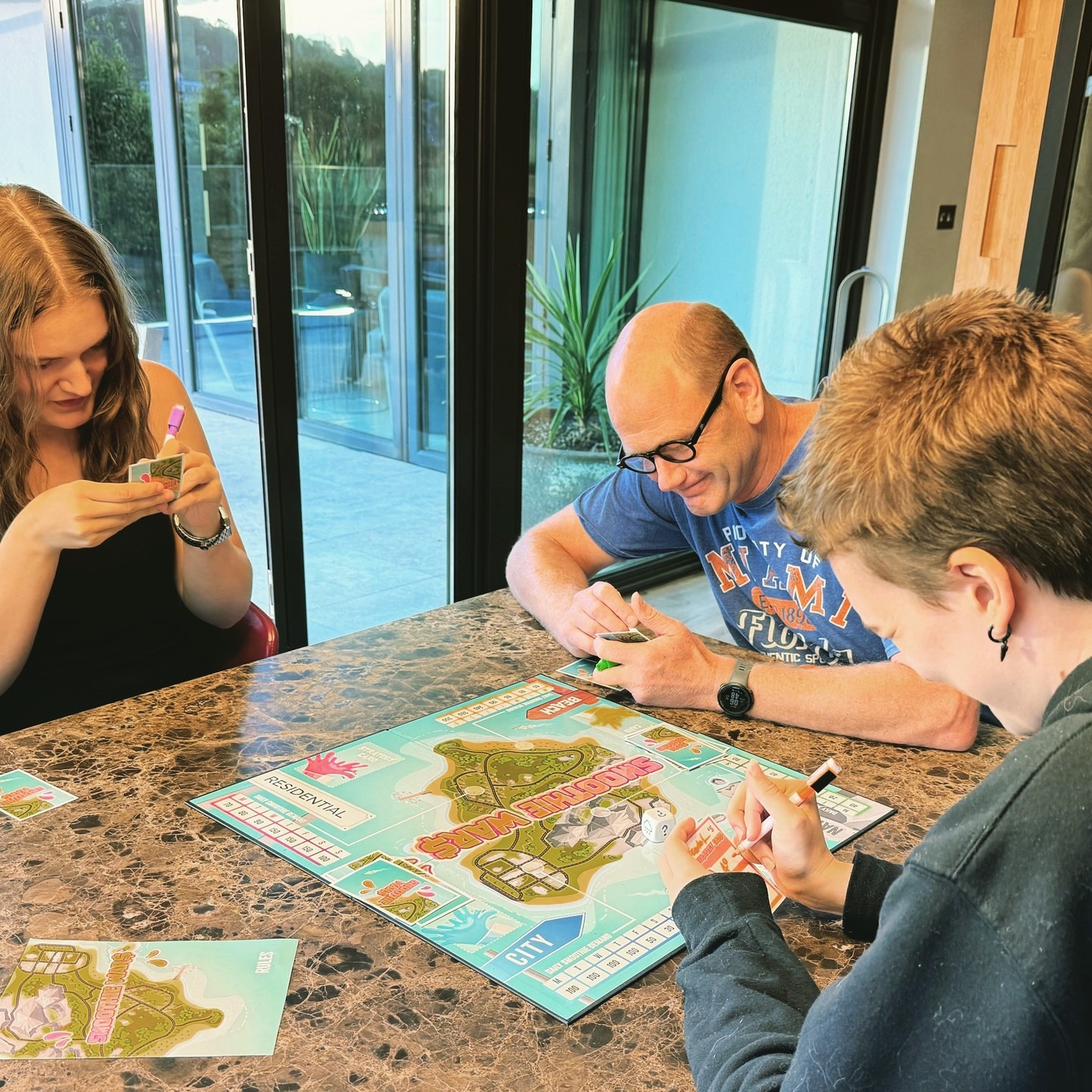
Why Host a Tournament?
Regular game night is brilliant. But tournament game night? Unforgettable.
When Sarah Mitchell organized a 16-player Smoothie Wars tournament for her son's 11th birthday, she expected chaos. Instead, children who normally struggled to focus played attentively for 3.5 hours straight. Parents reported it was "the best party we've ever attended."
What changed? Structure, stakes, and spectacle—the three elements that transform casual gameplay into memorable competition.
This guide delivers everything you need to organize your own Smoothie Wars tournament, whether it's four family members on a Tuesday evening or 32 players at a community event.
Tournament Formats: Choose Your Structure
Swiss System (Recommended for Beginners)
Best for: First-time organisers, mixed skill levels, casual atmosphere
How it works:
- Everyone plays the same number of rounds (typically 3-5)
- Winners face winners, players near the same rank compete
- No elimination—everyone plays all rounds
- Final standings determine champion
Why it's brilliant:
- No one sits out after losing early
- Skill-based matchmaking creates balanced games
- Simpler to organise than traditional brackets
- Keeps energy high throughout event
Sample 8-Player Swiss Schedule:
| Round | Table 1 | Table 2 | Table 3 | Table 4 | |-------|---------|---------|---------|---------| | 1 | P1 vs P5 | P2 vs P6 | P3 vs P7 | P4 vs P8 | | 2 | Winners 1&5 vs Winners 2&6 | Losers 1&5 vs Losers 2&6 | Winners 3&7 vs Winners 4&8 | Losers 3&7 vs Losers 4&8 | | 3 | 2-0 players compete | 1-1 players compete | 1-1 players compete | 0-2 players compete |
Final scoring: 3 points per win, 1 point per second place, 0 for third/fourth.
Single Elimination Bracket
Best for: Shorter events, dramatic finales, experienced players
How it works:
- Traditional tournament tree
- Lose once, you're out
- Winner advances, loser eliminated
- Final two compete for championship
Why it creates excitement:
- Clear "championship match" finale
- Easier for spectators to follow
- Shorter overall duration
- Higher stakes increase intensity
Timing for single elimination:
| Players | Rounds Needed | Estimated Duration | |---------|---------------|-------------------| | 4 | 2 (Semi + Final) | 1.5 hours | | 8 | 3 | 2.5 hours | | 16 | 4 | 4 hours | | 32 | 5 | 6-7 hours |
Duration assumes 45-minute games including setup.
Critical consideration: Players eliminated early may feel disappointed. Mitigate with consolation brackets or simultaneous side activities.
Round Robin (Best for Small Groups)
Best for: 4-6 players, maximum fairness, skill assessment
How it works:
- Everyone plays everyone once
- Most total wins determines champion
- Tiebreakers: head-to-head result, then total money earned
Example 6-player schedule:
Round 1: (1v2, 3v4, 5v6)
Round 2: (1v3, 2v5, 4v6)
Round 3: (1v4, 2v6, 3v5)
Round 4: (1v5, 2v4, 3v6)
Round 5: (1v6, 2v3, 4v5)
Timing: 5 rounds × 45 minutes = 3.75 hours minimum
Step-by-Step Organization Guide
4 Weeks Before: Planning Phase
1. Choose Format & Size
- Decide player count (recommend 8-16 for first tournament)
- Select format based on time available and experience level
- Create event page or group chat for communication
2. Set Date & Venue
- Weekend afternoons work best (1pm-5pm window)
- Ensure space for all simultaneous games plus spectators
- Calculate table requirements: 1 table per 4 players minimum
3. Establish House Rules
- Will you use standard rules or tournament variants?
- Decide on time limits per turn (30-60 seconds recommended)
- Clarify ruling authority (designate tournament director)
Common tournament rule modifications:
| Standard Rule | Tournament Variant | Reasoning | |---------------|-------------------|-----------| | Unlimited think time | 60-second turn timer | Maintains pace, prevents analysis paralysis | | Informal play | Mandatory turn announcements | Ensures clarity, prevents disputes | | No restrictions | the team 2 same-fruit smoothies per location | Increases strategic variety | | Basic setup | Random starting positions | Balances first-player advantage |
4. Plan Logistics
- Game copies needed: 1 per 4 players
- Seating: Comfortable chairs for 4-hour event
- Refreshments: Ironically, actual smoothies work brilliantly
- Score tracking: Printed bracket sheets + whiteboard
- Timing: Chess clocks or smartphone timers
Real example from Manchester Smoothie Wars League:
"We run monthly tournaments with 24 players. Three game copies, six tables, and a visible projected bracket on TV keeps everyone engaged. Total equipment cost: under £150 including prizes." — James Taylor, League Organizer
2 Weeks Before: Finalize Details
1. Confirm Participants
- Send calendar invites with start time and expected duration
- Confirm dietary requirements for refreshments
- Share house rules document for review
2. Prepare Materials Print/create:
- Tournament brackets (physical + backup digital)
- Score sheets for each table
- Rules reference cards
- Player name tags
- Table number signs
3. Organize Prizes Budget-friendly prize ideas:
- Champion: Smoothie Wars expansion pack (£15) or custom trophy
- Runner-up: Board game cafe voucher (£10)
- Third place: Smoothie recipe book (£8)
- Participation: Printable certificates for all players
Pro tip: Prizes don't need to be expensive—recognition matters more than value. Homemade trophies or certificates mean more than generic Amazon purchases.
1 Week Before: Final Preparations
1. Practice Run
- Host a casual game night to test logistics
- Time actual game duration with your group
- Identify potential bottlenecks (scoring, table rotation, etc.)
2. Communication
- Remind participants of start time
- Share parking/transport information
- Provide "what to bring" list (nothing needed, but snacks welcome)
3. Setup Checklist Create detailed list ensuring you have:
- [ ] All game components (check pieces before event)
- [ ] Printed brackets and score sheets
- [ ] Pens/pencils for scoring
- [ ] Timer devices
- [ ] First aid kit (children's events)
- [ ] Music playlist for background ambiance
- [ ] Prizes wrapped and ready
- [ ] Refreshments prepared
- [ ] Camera for photos (with permission)
Tournament Day: Hour-by-Hour
12:30 PM - Setup
- Arrange tables with clear numbers
- Place game boxes at each table
- Test timer systems
- Display bracket visibly
- Set up refreshment station
1:00 PM - Registration
- Welcome participants as they arrive
- Collect any entry fees (if applicable)
- Distribute name tags
- Answer last-minute questions
- Take group photo
1:15 PM - Tournament Briefing Essential announcements:
- Welcome and thank participants
- Explain format and number of rounds
- Clarify house rules and time limits
- Introduce tournament director
- Announce prize structure
- Emphasize sportsmanship
Sample script:
"Welcome to the [Your Name] Smoothie Wars Tournament! Today we're running a Swiss format with 3 rounds. Each game has a 60-second turn timer. I'll be the tournament director—if disputes arise, I have final say, but we're here to have fun first. Winners in each round receive 3 points, second place gets 1 point. Highest total after 3 rounds wins our championship smoothie blender! Let's keep it friendly, competitive, and fun. Good luck everyone!"
1:30 PM - Round 1 Begins
- Start all tables simultaneously
- Circulate to answer questions
- Monitor timing and sportsmanship
- Record results as games finish
2:30 PM - Break & Round 2 Pairings
- 15-minute refreshment break
- Update bracket based on Round 1 results
- Announce Round 2 matchups
- Allow players to socialize
2:45 PM - Round 2 Begins
- Begin second round
- Continue monitoring
- Take photos of exciting moments
- Update visible bracket
3:45 PM - Break & Round 3 Pairings
- Another 15-minute break
- Announce final round pairings
- Build excitement for championship implications
4:00 PM - Round 3 / Finals
- Final round begins
- Spectators can watch top tables
- Maintain ceremonial atmosphere for finale
5:00 PM - Awards Ceremony
- Calculate final standings
- Prepare brief remarks for each winner
- Distribute prizes
- Thank everyone for participating
- Take winner photos
- Clean up together (communal effort builds community)
Advanced Tournament Features
Livestreaming & Commentary
For larger events, simple livestreaming adds professional feel:
- Use smartphone on tripod overlooking final table
- Facebook Live or YouTube Live (free)
- Designate commentator to explain strategies
- Engage remote spectators
Manchester League streams finals monthly:
"We average 40-60 live viewers, mostly friends/family of players. The commentary helps non-players understand what's happening. It's become our best marketing tool."
Side Events
Keep eliminated players engaged with:
- Casual play area: Additional game copies for non-competitive games
- Strategy workshop: Brief 15-minute lessons between rounds
- Smoothie tasting: Actual smoothie bar fits theme perfectly
- Prize raffle: All participants entered, drawn during breaks
Creating Tournament Culture
Sportsmanship awards matter Beyond competitive rankings, recognize:
- Most improved player
- Best sportsmanship (voted by participants)
- Most creative strategy
- Youngest participant
- Traveled furthest
These inclusive awards ensure everyone feels valued, not just winners.
Common Pitfalls & Solutions
Pitfall 1: Games Running Over Time
Problem: First games finish in 35 minutes, later games take 75 minutes Solution:
- Implement strict turn timers from Round 2 onwards
- Announce "5 minutes remaining" warnings
- Tournament director can call time if excessively slow
Pitfall 2: Rules Disputes
Problem: Mid-game disagreement threatens to derail event Solution:
- Tournament director makes immediate binding decision
- Note dispute, research proper ruling after event
- Adjust house rules document for next time
Critical principle: Consistency matters more than correctness. Make a decision quickly and apply the same ruling if situation repeats.
Pitfall 3: Skill Imbalance
Problem: Expert players dominate, beginners feel discouraged Solution:
- Use Swiss system (naturally balances over rounds)
- Create separate brackets (novice vs advanced)
- Offer handicap systems (beginners start with £5 extra)
- Emphasize improvement prizes, not just winning
Pitfall 4: Low Energy
Problem: Mid-tournament slump, participants seem tired Solution:
- Upbeat background music
- Energetic break announcements
- Refreshments available continuously
- Shorter breaks (10 mins maximum)
Budget Planning
Minimal Budget Tournament (Under £50)
- Venue: Home or free community space (£0)
- Games: Own copy + borrow from participants (£0)
- Refreshments: DIY smoothies and snacks (£20)
- Prizes: Printable certificates + small shop-bought trophy (£15)
- Materials: Printed brackets and scoresheets (£5)
- Timers: Smartphone apps (£0)
Total: £40
Enhanced Tournament (£150-200)
- Venue: Rented community hall (£50)
- Games: Purchase 2 additional copies (£60)
- Refreshments: Professional smoothie bar hire (£80)
- Prizes: Trophy + game-related prizes (£40)
- Materials: Branded bracket posters (£15)
- Equipment: Digital timers × 3 (£25)
Total: £270
Entry fees (£5-10 per player) can offset costs for larger events
Premium Tournament (£500+)
Full-scale competitive event:
- Rented venue with AV equipment
- Professional livestreaming setup
- Sponsored prizes
- Catering service
- Custom medals/trophies
- Promotional materials
Post-Tournament Follow-Up
Immediate (Within 24 Hours)
- Share photos: Create shared album with highlights
- Post results: Publish final standings and winners
- Collect feedback: Brief survey about experience
- Thank participants: Personal message to each player
Short-term (Within 1 Week)
- Deliver prizes: If physical items weren't distributed at event
- Publish tournament report: Blog post or social media summary
- Update rankings: If running ongoing league
- Address feedback: Respond to suggestions
Long-term (Ongoing)
- Schedule next event: Capitalize on enthusiasm
- Build community: Create WhatsApp group for participants
- Share strategy content: Continue engagement between events
- Develop rivalry narratives: Rematch storylines build anticipation
Scaling Your Tournament
From 4 to 8 Players
What changes:
- Need 2 game copies
- Add 1-2 hours duration
- Brackets become more interesting
- Sufficient for meaningful competition
From 8 to 16 Players
What changes:
- Need 4 game copies minimum
- Requires dedicated venue (too large for most homes)
- Consider hiring assistant tournament directors
- Budget for professional-looking materials
- Plan 5-6 hour event
From 16 to 32+ Players
What changes:
- Multiple rooms or large hall required
- Need coordinated team to manage
- Digital scoring systems essential
- Consider sponsorships to offset costs
- Marketing and registration systems needed
Manchester League runs 24-player events:
"The sweet spot is 16-20 players. Beyond that, personal touch diminishes. Under that, lacks competitive depth."
Tournament Variants for Different Audiences
Family Tournament (Mixed Ages)
Modifications:
- Pair children with adult mentors for first round
- Award prizes for various achievements, not just winning
- Shorter rounds (3 maximum)
- Emphasis on fun over competition
School/Educational Tournament
Modifications:
- Incorporate learning objectives into announcements
- Post-game reflection sessions discussing strategies
- Connect gameplay decisions to curriculum concepts
- Teacher facilitation at each table
See our school case study for detailed educational implementation.
Competitive Adult Tournament
Modifications:
- Strict tournament rules enforcement
- Chess clocks mandatory
- Entry fees and prize pools
- Formal dispute resolution process
- Published rankings and statistics
Legal & Safety Considerations
Children's Events
Required:
- DBS-checked adults supervising
- Parental permission forms
- Emergency contact information
- First aid qualified person present
- Photography consent documented
Insurance
For public events with 20+ participants:
- Public liability insurance recommended
- Check venue requirements
- Some community centres include coverage
- Costs typically £50-100 for single event
Food Safety
If providing refreshments:
- Clearly label allergens
- Provide alternative options
- Maintain hygiene standards
- Check expiry dates
Resources & Templates
Free downloadable templates available:
- Swiss tournament pairing charts
- Single elimination brackets (4/8/16/32 player)
- Score tracking sheets
- Player registration forms
- Certificate templates
Recommended tools:
- Challonge.com: Free online bracket management
- Chess Clock apps: Tournament-ready timers
- Smoothie Wars Discord: Connect with other tournament organisers
Success Stories
Bristol Family League (18 Months Running) Monthly tournaments with 12-16 regular participants. Players range from age 8 to 67. Created lasting friendships and competitive traditions.
"My daughter talks about tournament weekend all month. She's developed confidence, strategic thinking, and friendships. Best parenting decision I've made." — League participant parent
London Schools Championship (Annual Event) Eight schools compete in team format. Each school sends 4-player team. Raises money for educational charities through entry fees and sponsorships.
Conclusion: Your Turn to Host
Hosting a Smoothie Wars tournament transforms casual gameplay into memorable competitive experience. The structure creates focus, the stakes drive engagement, and the community builds connections lasting far beyond game night.
Start small: Four players, Swiss format, homemade prizes. Test logistics without pressure.
Learn and iterate: Collect feedback, adjust format, gradually expand.
Build tradition: Regular tournaments create community and anticipation.
The Manchester League started with six friends in a living room. Eighteen months later, it's a 30-member community with monthly tournaments, strategy workshops, and genuine friendships.
Your tournament could be next.
Next Steps:
- Choose your format using the guidance above
- Set a date 4-6 weeks out
- Invite participants
- Download templates and print materials
- Host your first tournament
Share your experience: Tag us on social media with #SmoothieWarsTournament—we feature community tournaments monthly!
Further Reading:
- Advanced Strategies for Experienced Players
- How to Teach Business Concepts Through Gameplay
- Game-Based Learning at Home: Parent's Guide
Tournament Resources: For bracket templates, score sheets, and organizing checklists, visit smoothiewars.com/tournament-resources