TL;DR
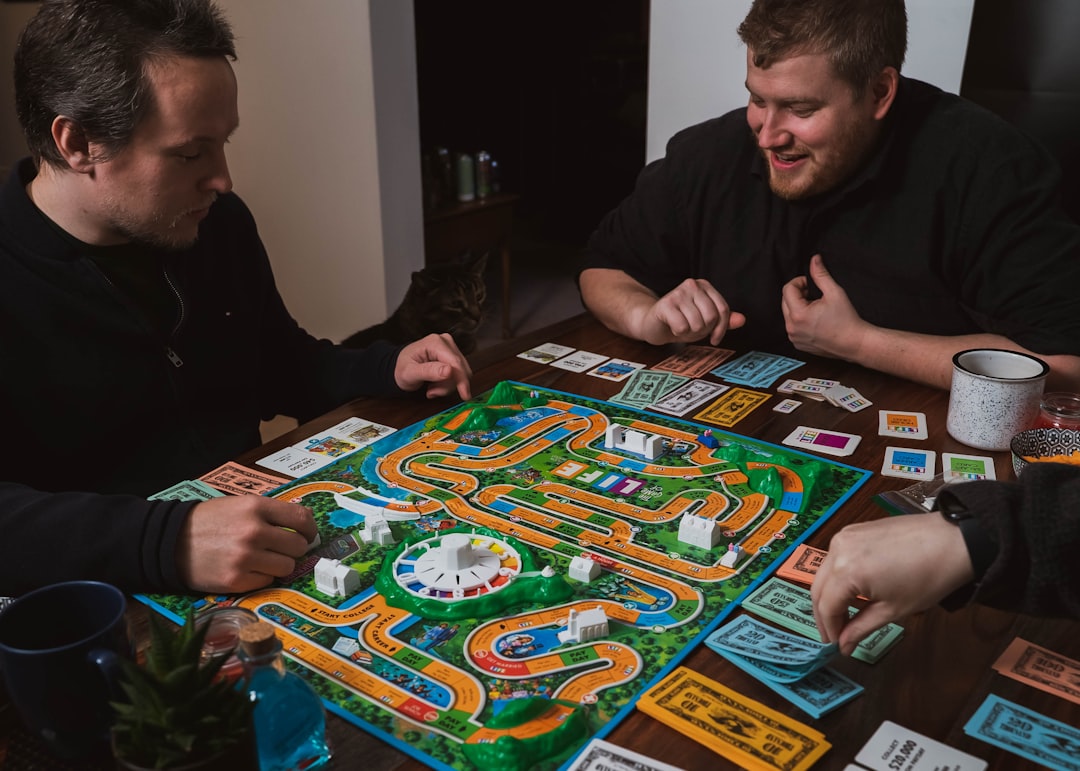
Fun for adults is different from fun for children. Adults enjoy social chaos (games with negotiation and betrayal), intellectual lightness (games you can win through clever moves without memorising rules), and memorable moments (games that generate stories). Codenames, Splendour, and Smoothie Wars deliver all three.
There's a persistent myth that "fun" and "strategic depth" are opposing forces in board games. Not true. The distinction is more nuanced: fun comes from engagement, surprise, and social dynamics—all of which strategy games can deliver.
But there's a category of games optimised purely for entertainment rather than strategic mastery. These games prioritise:
- Social interaction (negotiation, cooperation, or playful conflict)
- Accessibility (you can play competently without studying strategy)
- Memorable moments (games generate stories people retell)
- Pace (the game moves quickly, preventing long downtime)
The Fun Factor in Adult Games
For adults, fun is different from children's fun. Kids enjoy bright colours and sensory stimulation. Adults enjoy:
Social unpredictability. Games where relationships matter. Negotiation games where you convince opponents to help you. Betrayal games where temporary alliances form. Games where player personalities influence outcomes.
Intellectual accessibility. Games where you can make competent decisions without studying strategy guides. You might not win, but you understand why.
Quotable moments. Games that generate memorable moves. "Remember when you convinced the entire table to vote against yourself?" These moments create stories people retell for years.
Momentum and flow. Games that move quickly without anyone waiting excessively. Downtime kills fun more reliably than anything else.
The Top Fun Games for Adults
Codenames
Player Count: 2–8 (best at 4–6)
Playing Time: 15 minutes
Complexity: Low
Why it's fun: Pure social intelligence. You're communicating through one-word clues, and the satisfaction of a perfect clue touchdown is genuinely euphoric. Games generate moments where someone's clue is so perfect the table erupts in laughter.
Smoothie Wars
Player Count: 3–8
Playing Time: 45–60 minutes
Complexity: Medium
Why it's fun: Competitive without cruelty. You're genuinely trying to beat opponents, but the game mechanic (competing in different locations) means you're not directly attacking anyone. The economic tension—knowing someone's profit margin and trying to undercut them—creates natural storytelling.
Cosmic Encounter
Player Count: 3–5
Playing Time: 45–90 minutes
Complexity: Medium
Why it's fun: Chaos and negotiation collide. Alien powers create absurd scenarios; your negotiation determines outcomes. One player's ability to make allies often trumps card strength. Games are wildly unpredictable.
Splendour
Player Count: 2–4
Playing Time: 30 minutes
Complexity: Medium
Why it's fun: Beautiful pacing. The game builds momentum; early turns feel different from late turns. Every round introduces new tension (which expensive card should you block?). Satisfying without being stressful.
Ticket to Ride
Player Count: 2–6
Playing Time: 45–90 minutes
Complexity: Low-Medium
Why it's fun: Satisfying completion. Claiming a route and completing a ticket generates genuine satisfaction. The game involves mild competition (blocking opponent routes) without feeling mean-spirited.
The Difference Between "Fun" and "Competitive"
Some adults conflate fun with victory. Winning is satisfying, but losing a genuinely fun game is often more entertaining than winning a boring game.
The best social games allow losing gracefully. In Codenames, a losing team's failure often generates laughter. In Cosmic Encounter, getting eliminated early creates political intrigue and temporary alliances.
Contrast this with games where losing means sitting idle whilst others finish (bad design for fun).
Building a Fun Games Collection
Start with accessibility. Codenames, Ticket to Ride, or Splendour.
Add social chaos. Cosmic Encounter or Smoothie Wars create unpredictable dynamics.
Include a negotiation game. Catan or 7 Wonders reward convincing opponents.
A three-game collection covers most social gaming occasions.
Why Fun Matters (And Why It's Underrated)
Board games shouldn't feel like work. If your game night is stressful because rules are complex or downtime is excessive, you won't return to the table. Fun is the retention mechanism.
The best games—the ones people play monthly for years—are fun first, strategic depth secondary. Strategy keeps experienced players engaged; fun keeps everyone returning.
FAQ
Q: Can strategy games be fun?
A: Absolutely. Smoothie Wars and Catan are strategically sophisticated and genuinely fun. Strategy and fun aren't mutually exclusive.
Q: What if someone is very competitive and doesn't enjoy losing?
A: Games with social elements and built-in comeback mechanics help (Catan's robber, Cosmic Encounter's alliances). Sometimes the issue isn't the game—it's the player's relationship with competition.
Q: How do you keep downtime minimal?
A: Simultaneous play (7 Wonders) or quick turns (Codenames) are ideal. Otherwise, use downtime for banter—part of the fun is conversation between turns.
Q: Is "casual fun" less valuable than strategic depth?
A: No. Different experiences for different occasions. Sometimes you want intellectual engagement; sometimes you want social entertainment. Good collections include both.