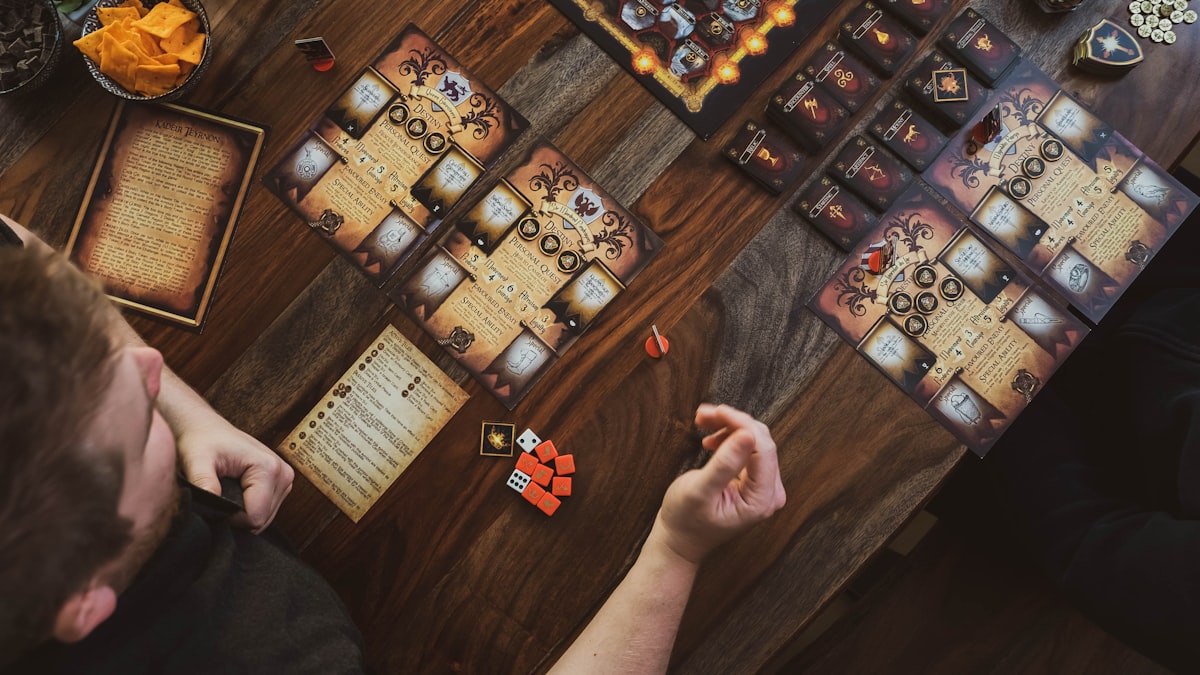
Board Game Cafés Boom as Social Gaming Returns to Physical Spaces
Four years ago, board game cafés were a curiosity—89 quirky venues scattered across the UK, mostly in London and other major cities, serving a niche hobbyist audience.
Today, 247 board game cafés operate nationwide, with 34 more scheduled to open before year-end. Weekend bookings at popular venues require 2-3 weeks advance notice. Venture capital is flowing into the sector. Several chains are expanding aggressively.
This dramatic growth—178% in four years—represents more than gaming industry expansion. It signals a broader cultural shift toward experiential, social, screen-free entertainment that board game cafés uniquely provide.
The Numbers Behind the Boom
Venue Growth:
- Total UK board game cafés: 247 (September 2024)
- 2020 baseline: 89 venues
- Growth rate: +178% over 4 years
- Average annual growth: +37%
- Planned openings (next 12 months): 34
Geographic Distribution:
- London: 67 venues (27%)
- Manchester/Liverpool: 28 venues (11%)
- Birmingham: 19 venues (8%)
- Bristol/Bath: 14 venues (6%)
- Other cities: 119 venues (48%)
Investment and Economics:
- Total sector investment (2024): £23 million
- Average startup cost: £85,000-120,000
- Typical break-even timeline: 14-18 months
- Average venue revenue: £180,000 annually
- Sector total revenue: Estimated £44 million
Customer Metrics:
- Average weekend capacity: 180% (bookings exceed seats)
- Weekday capacity: 85%
- Average visit duration: 2.8 hours
- Average spend per customer: £18.50
- Return customer rate: 67% within 3 months
The Business Model Decoded
Board game cafés combine elements of libraries, coffee shops, and entertainment venues into a unique hybrid model.
Revenue Streams
Primary: Cover Charge + Food/Drink
- Typical cover: £5-8 per person for unlimited gaming
- Food and drink: £8-12 average per customer
- Combined average transaction: £16-20
Alternative Models:
- Time-based: £4-6 per hour
- All-inclusive: £15-25 flat rate including food
- Membership: Monthly fee for unlimited access
The Game Library Economics
Initial Investment:
- Starter library: 150-200 games
- Cost: £4,000-6,000
- Ongoing additions: £200-300 monthly
Maintenance:
- Component replacement
- Damaged game replacement
- Sleeving and protection
- Organization systems
Curation Strategy:
- 60% popular gateway games (high rotation)
- 30% medium complexity (regular gamers)
- 10% complex/niche (enthusiasts, special events)
Staffing Model
Key positions:
- Game Gurus: Staff who explain rules, recommend games
- General service: Food/drink, cleaning, operations
- Events coordinator: Tournaments, themed nights
Critical skill: Game knowledge and teaching ability
"Staff quality makes or breaks cafés," explains Marcus Chen, owner of The Dice Cup chain. "Customers come for games but return because staff made them feel welcome and taught rules patiently."
Typical staffing:
- Small venue (30 seats): 3-4 staff
- Medium venue (50-70 seats): 6-8 staff
- Large venue (100+ seats): 10-12 staff
Wage premium: Game gurus earn 15-25% above standard café wages due to specialized knowledge.
Customer Demographics
Board game café audiences are more diverse than expected.
Age Distribution
Primary audience:
- Ages 25-34: 38% of customers
- Ages 35-44: 27%
- Ages 18-24: 19%
- Ages 45-54: 11%
- Ages 55+: 5%
Family market: Growing segment
- Weekend family sessions: 23% of bookings
- Dedicated family hours offered: 68% of venues
Gender Balance
More balanced than stereotype suggests:
- Male: 54%
- Female: 44%
- Non-binary/prefer not to say: 2%
"The hobby gaming stereotype—young male—doesn't match our actual customers," notes Emma Foster, café owner. "We see couples on dates, families, friend groups, corporate teams. It's genuinely diverse."
Group Composition
Typical bookings:
- Couples: 31%
- Friend groups (3-5 people): 42%
- Families: 18%
- Corporate/team building: 6%
- Solo players joining groups: 3%
Gaming Experience Levels
Self-reported:
- Complete beginners: 34%
- Casual/occasional gamers: 41%
- Regular enthusiasts: 19%
- Serious hobbyists: 6%
Two-thirds of customers are beginners or casual—cafés successfully attract beyond hardcore gaming audiences.
Why Now? The Cultural Drivers
Several converging factors explain the boom.
Post-Pandemic Social Reconnection
COVID restrictions created pent-up demand for face-to-face social interaction.
Many observers point to a craving for in-person connection: board game cafés provide structured social activity—you're together but have a clear purpose—which may lower social anxiety while still fulfilling the need for connection.
Post-pandemic openings success rate: 87% still operating after 2 years (vs 62% for cafés generally)
Alternative to Screen-Based Entertainment
"We're the anti-Netflix," says one café owner. "Customers explicitly tell us they wanted to do something not involving screens. We offer that."
Survey data:
- 72% of customers cite "screen-free time" as visit motivation
- 64% deliberately seeking "offline social activity"
- 58% wanted "active entertainment, not passive consumption"
Experiential Entertainment Trend
Broader shift toward experience-based spending over possession-based:
- Escape rooms: +156% (2019-2024)
- Ax-throwing venues: +210%
- Pottery/craft cafés: +89%
- Board game cafés: +178%
Millennials and Gen Z particularly prioritize experiences over possessions.
Date Night Evolution
Traditional date night: Dinner + cinema = £60-80, limited interaction
Board game café date: £30-40, hours of conversation and interaction
"Best date night we've had in years," reported one customer. "We talked, laughed, competed, collaborated. Cinema just means sitting silently."
Dating apps now feature "board game café date" as common first-date suggestion.
Business Models: What Works
Successful venues share patterns.
Location Factors
Successful locations:
- City centers with foot traffic
- Near universities (student audience)
- Residential neighborhoods with family demographics
- Good public transport links
Less successful:
- Industrial areas
- Suburbs without nearby density
- Locations requiring driving (alcohol service complicated)
Differentiation Strategies
How venues compete:
- Specialist focuses: Family-friendly, competitive tournament scene, casual-only
- Themed cafés: Fantasy, retro, specific game publisher partnerships
- Food quality: Premium café food vs basic snacks
- Alcohol licensing: Social pub atmosphere vs family café
- Event programming: Regular tournaments, game design nights, themed events
Revenue Optimization
Most profitable approaches:
- High table turnover weekdays, reservations weekends
- Food/drink margin focus (60% gross margin vs 30% on games)
- Events and private bookings (premium pricing)
- Retail sales (games for purchase, accessories)
Struggling venues:
- Over-reliance on cover charges
- Poor food quality (customers stay shorter)
- Inadequate game library curation
- Weak staff training
Economic Impact
Job Creation
Direct employment:
- 2,470 jobs in board game cafés (2024)
- Average 10 employees per venue
- Part-time positions: 68%
- Full-time management: 32%
Skill development:
- Customer service
- Game teaching and facilitation
- Event management
- Community building
Supplier Ecosystem
Beneficiaries:
- Game publishers (bulk café sales)
- Distributors (café-specific channels)
- Furniture manufacturers (gaming tables, chairs)
- Food/beverage suppliers
- Marketing and event companies
High Street Revitalization
Community impacts:
- Foot traffic generation for neighboring businesses
- Evening economy activation
- Community gathering spaces
- Arts and culture contribution
Several councils actively recruited board game cafés for town center regeneration.
Challenges and Risks
Market Saturation Concerns
Some cities may be approaching saturation:
- London: 67 venues for 9 million population = 1 per 134,000
- Manchester: 18 venues for 2.8 million = 1 per 156,000
Saturation indicators:
- Declining average revenue per venue
- Increased competition for weekend bookings
- Price pressure
Counter-argument: Established venues maintaining strong performance suggests healthy market capacity remains.
Economic Sensitivity
Recession vulnerability:
- Discretionary entertainment spending affected first
- However, relatively affordable (vs theatre, concerts)
- "Affordable luxury" positioning may provide resilience
Operational Challenges
Reported difficulties:
- Staff recruitment (game knowledge + service skills rare combination)
- Game library curation (balancing breadth and depth)
- Managing capacity peaks (weekend crush, weekday quiet)
- Component replacement and maintenance
Future Outlook
Industry predictions (2025-2027):
Growth Continuation:
- Expected venues by 2027: 380-420
- Annual growth moderating to 15-20% (from 37%)
- Market maturation reducing explosive growth
Model Evolution:
- Hybrid models (café + retail + events)
- Specialized venues (competitive focus, family focus)
- Chain consolidation (multiple-location operators growing)
- Experience enhancement (escape room integration, augmented reality elements)
Geographic Expansion:
- Smaller cities and large towns (current underserved markets)
- Regional chains emerging
- Franchise models developing
Conclusion
The board game café boom reflects deeper cultural currents: desire for screen-free entertainment, face-to-face social connection, active rather than passive leisure, and experiential spending.
From 89 quirky venues serving hobbyists to 247 mainstream social spaces attracting diverse audiences, board game cafés have achieved what few niche entertainment concepts accomplish—broad cultural acceptance and sustained growth.
As one venue owner put it: "We're not selling games. We're selling laughter, connection, and shared experiences. Games are just the mechanism."
The boom continues.
Sources:
- Individual café interviews and publicly available financial data
About the Author
The Smoothie Wars Content Team creates educational gaming content, tracking leisure and entertainment industry trends intersecting with strategic gaming.