TL;DR
Board games to play at home work better than most people expect because they create genuine shared experience rather than parallel passive consumption. The best home game nights are easy to set up, choose games that fit the group's energy, and end with people wanting to do it again.
Why Home Game Nights Work
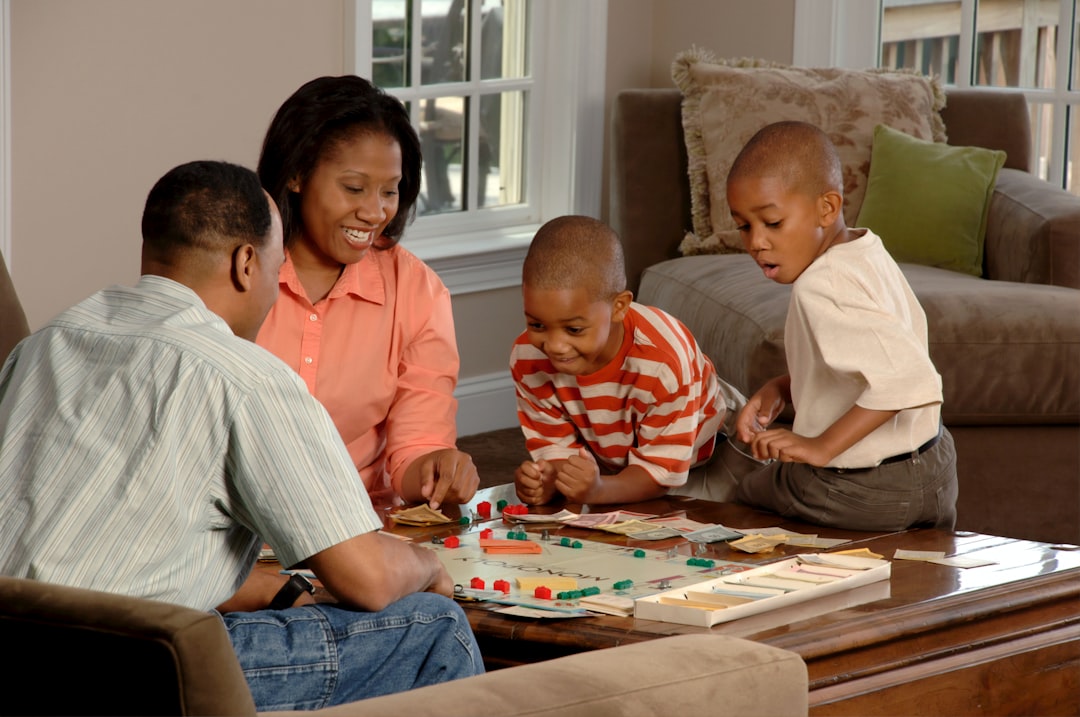
There's a particular kind of evening that people remember: one where something actually happened, where there was competition or laughter or surprise, where the conversation was better than usual. A good home board game night reliably produces this.
The contrast with passive entertainment is instructive. A film night is a shared experience in the sense that you're in the same room, but the engagement is passive and individual. Board games require actual participation — decisions, responses, negotiation, laughter at outcomes — which creates a different quality of shared time.
This isn't a new insight. People have been gathering around tables for card games, board games, and similar activities for centuries. The modern board gaming renaissance is really a rediscovery of something that was always there.
Setting Up a Home Game Night
Getting a home game night right involves more than choosing a game. A few things that make the difference:
Set a time and communicate it clearly. "Come over around seven, we'll play board games" is better than a spontaneous suggestion at the last minute. Games often need to be explained; people want to know when to arrive.
Prepare the space properly. Clear enough table space. Good lighting — games often have small text or detailed components that require you to see clearly. Comfortable seating for everyone. Drinks and snacks accessible without cluttering the play area.
Choose games you know. The host explaining a game they've never played is one of the fastest ways to kill a home game night's energy. Play the game you're planning to host a few times first, or at least read the rules carefully beforehand.
Have a backup. If a game isn't working — if it's running too long, or one player is so far ahead the rest have mentally checked out — being able to pivot to something shorter and lighter is valuable. A 20-minute party game as a backup option is good planning.
Best Board Games for Home Evenings
For a Family with Teenagers: Smoothie Wars
Players: 3–8
Time: 45–60 minutes
Space needed: Standard table for 3–8 people
Smoothie Wars is the home game night recommendation for families where the age range spans teenagers and adults. The 12+ age rating means teenagers can engage with the strategy seriously, and the economic competition (pricing, market prediction, bluffing) doesn't have a "children's version" that patronises older players.
The simultaneous action mechanic is particularly good for home settings: there's no waiting for someone to finish their turn while everyone else watches. Everyone decides at once, then you reveal together. This keeps energy high and stops the game from feeling like everyone waiting for the slowest player.
At 45–60 minutes, Smoothie Wars fits neatly into an evening without dominating it — there's time for the game plus dinner or drinks before and after.
For a Couple or Small Group: Codenames Duet
Players: 2
Time: 15–20 minutes
Space needed: Small table or coffee table
Codenames Duet is the cooperative two-player variant of the classic word game, designed specifically for home evenings with a partner or friend. Players work together, giving each other clues to identify words on a shared grid — both playing spymaster simultaneously.
The difficulty levels are adjustable, and it replays well because the word grid is different each game. Ideal for evenings where you want something engaging but not demanding.
For a Group That Wants Strategy: Catan
Players: 3–4
Time: 60–90 minutes
Space needed: Large table for component spread
Catan is the quintessential home strategy game — designed to be played in someone's living room or kitchen, and refined over decades to work well in that context. The trading element specifically requires being around a table where players can make offers to each other, which makes home play feel natural.
The 60–90 minute session length means an evening around Catan works with dinner beforehand and leaves time for one more quick game afterwards.
For Quick Sessions: Coup
Players: 2–6
Time: 15–30 minutes
Space needed: Minimal — this is a card game
Coup is an excellent home game because it requires almost no space and plays in under 30 minutes. Players hold two character cards and use their claimed roles' abilities — but any claim can be challenged. The bluffing and social deduction create significant tension in a tiny package.
Coup works as a warm-up before a longer game or as the main event when group size or energy doesn't suit something longer.
For Large Home Gatherings: Smoothie Wars (Again)
Players: 3–8
Time: 45–60 minutes
Space needed: Standard table, suitable for up to 8
When more people turn up than planned — which happens regularly with informal home evenings — most games become a problem. Smoothie Wars' ability to accommodate up to eight players without extending session length makes it uniquely suited to home gatherings where the guest list is fluid.
The mechanics also work in a noisy, informal setting. The simultaneous reveal is social and energetic; the negotiations and bluffing are louder and more fun when people are relaxed.
For Children and Adults Together: Ticket to Ride London
Players: 2–4
Time: 15–20 minutes
Space needed: Small-medium table
The London edition of Ticket to Ride compresses the route-building game into a 15–20 minute format on a London map. It's accessible enough from around age 8 but has enough strategic substance to engage adults.
For family home evenings, Ticket to Ride London serves as a good entry point for children who are ready to move beyond Snakes and Ladders but not yet ready for the full Ticket to Ride game.
Home Game Night Tips That Make a Difference
Learn the rules before guests arrive. Nothing drains enthusiasm faster than a host reading the rulebook aloud for 20 minutes. Read it in advance, maybe play a solo trial round, then explain only what's needed to start.
Start with a short game. Even if your main game is Catan or Smoothie Wars, a quick 15-minute game while everyone settles in warms up the group and gets people in the right headspace.
Don't let one person dominate the strategy discussion. Home game nights can be derailed when one experienced player effectively plays the game for the group. Encourage everyone to make their own decisions.
Keep phones away. This sounds obvious but makes a noticeable difference. A group where everyone is occasionally checking their phone produces a much worse game night than one where phones are absent.
Play the same game again. The second session of any good game is almost always better than the first. If people enjoyed a game enough to want to try again, do it.
The Home Game Night Starter Kit
If you're building a home game collection from scratch, these five games cover most situations:
Home board game starter kit — five games for any occasion
| Game | Purpose | Players | Time |
|---|---|---|---|
| Smoothie Wars | Main event, strategy | 3–8 | 45–60 min |
| Codenames | Quick group game | 4–8 | 15–20 min |
| Coup | Fast bluffing | 2–6 | 15–30 min |
| Ticket to Ride London | Family introduction | 2–4 | 15–20 min |
| Catan | Classic strategy | 3–4 | 60–90 min |
These five cover groups of 2–8, sessions of 15 minutes to 90 minutes, and tastes ranging from casual to seriously strategic. You can run a home game night in almost any configuration with this set.
FAQs
What are the best board games to play at home?
Smoothie Wars works for home gatherings of 3–8 with teens and adults; Codenames is the best quick group game; Catan is the classic for competitive groups of 4. The right pick depends on your group size and how much time you have.
How do I set up a home game night?
Clear a table, prepare drinks and snacks, choose a game you know (or have time to prepare), and communicate arrival time to guests. Having a quick backup game ready for when the main game wraps up is good planning.
How long should a home board game session be?
Most home evenings work best with one main game of 45–90 minutes plus one or two shorter games. Planning for a total gaming session of 2–3 hours, including breaks, is realistic for a weeknight.
What board games work in a small living room?
Card-based games (Coup, Codenames) work on any surface. Smoothie Wars and Ticket to Ride London work on a standard dining table. Games with extensive component spread (Catan, Pandemic) benefit from a larger table.
Conclusion
Board games to play at home produce the kind of evening that passive entertainment can't replicate — one where something actually happened, where people were genuinely engaged, and where the conversation was better because of the shared activity.
The practical requirements are modest: a table, good light, and a game suitable for your group. The return is an evening worth remembering.
Smoothie Wars is the recommendation for home evenings where you want strategy, social dynamics, and something flexible enough to accommodate whoever turns up.