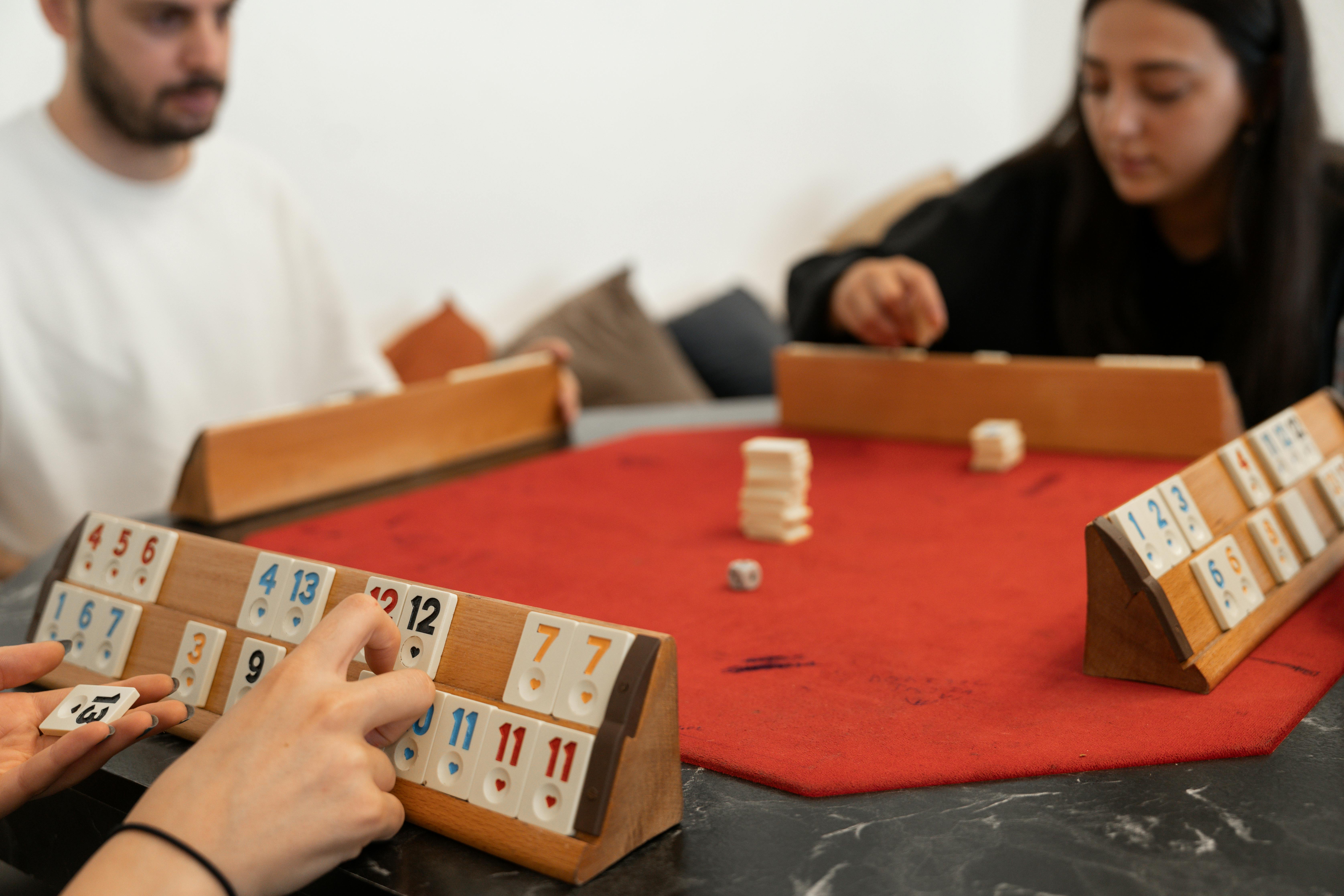
TL;DR
Tabletop games encompass everything from Scrabble to complex campaign strategy games — a hobby that's grown significantly since the mid-2010s. This guide explains what the hobby actually includes, why it's growing, and how to find your right entry point.
What Tabletop Games Actually Include
The term "tabletop games" is broader than most people first assume. When people think about games played at a table, they typically imagine Scrabble or Monopoly — the family classics. But the modern tabletop hobby encompasses several distinct categories, each with its own community, design conventions, and culture.
Board games. The obvious category: games played on a board with pieces, cards, or tokens. But "board game" now covers everything from classic roll-and-move games (Snakes and Ladders) to complex economic simulations (Brass: Birmingham) to narrative campaigns that span dozens of sessions (Gloomhaven). The range is staggering.
Card games. Pure card games — no board involved — include everything from poker to modern collectible card games (Magic: The Gathering) to standalone "living card games" (Arkham Horror: The Card Game) that expand over time without requiring random booster packs.
Miniature wargames. Games using physical miniature figures on a table surface, typically with measuring tape and dice to resolve combat. Warhammer 40,000 is the most well-known; the hobby encompasses dozens of other systems. This is the most time-intensive category — miniatures must be assembled and painted before play.
Role-playing games (RPGs). Games where players take on characters in a shared narrative, typically with one person (the Game Master) facilitating the story while others participate as characters. Dungeons and Dragons is the most famous; the RPG hobby is enormous and diverse.
Puzzle games and dexterity games. Games built around physical manipulation — Jenga and its descendants, Bananagrams, various stacking and building games. These occupy their own niche and often blur the boundary between games and toys.
The Modern Board Game Renaissance
The tabletop hobby has experienced a genuine renaissance since approximately 2012, driven by several converging factors.
Kickstarter and independent publishing. Before crowdfunding, getting a board game published required either a large publisher's approval (which favoured established designs) or significant personal capital. Kickstarter allowed independent designers to fund games directly through pre-orders, dramatically expanding the range of games available.
BoardGameGeek. The community website BoardGameGeek — founded in 2000 but dominant since the mid-2000s — created a global community of dedicated players, reviewers, and collectors. Its user-generated database now includes over 140,000 games with ratings, reviews, and forum discussions. This resource made discovering quality games dramatically easier.
The Catan effect. Catan (originally Settlers of Catan) crossed over from the hobby into mainstream awareness around 2010. Its success proved that modern board games could reach people who'd never considered themselves "gamers" — which opened a significant new audience.
Pandemic and cooperative gaming. Pandemic (2008) introduced many people to cooperative gaming — the idea that you could play a board game as a team rather than against each other. This made board games accessible to people who found competition uncomfortable.
YouTube and Twitch streaming. Channels like Shut Up and Sit Down, No Pun Included, and Dice Tower created accessible, high-quality video coverage of modern board games. Watching someone play a game is often more effective at communicating why it's interesting than reading a description.
Why People Play Tabletop Games
Understanding why people are drawn to tabletop gaming helps explain its breadth. Different people are in the hobby for very different reasons.
Social connection. The most commonly cited reason for playing board games is that they create a shared experience in the same physical space. Unlike video games (often played alone or over a network) or films (passive consumption), board games put people around the same table and give them something to do together. The social dimension is primary for many players.
Cognitive engagement. Strategy games provide a specific kind of intellectual satisfaction: the experience of solving a complex problem with another intelligent person. Chess players describe this as "meeting the game" — entering a space where pure concentration and pattern recognition are the relevant skills.
Narrative experience. Role-playing games and narrative campaign games offer storytelling experiences that are participatory rather than observed. You're not watching a story unfold — you're making it happen. This active involvement creates memories that passive media doesn't.
Collection. Some players are in the hobby primarily as collectors. The design and production quality of modern board games — custom-designed art, detailed miniatures, textured boards — makes them attractive as objects in themselves, not just as games.
Competition. Tournament play exists across many tabletop categories. Chess and bridge have established competitive scenes; modern games like Catan and Wingspan have world championships. For players who want structured competition, the hobby offers it.
Getting Started in Tabletop Gaming
The barrier to entry in tabletop gaming has dropped significantly as resources have expanded. Here's a practical approach.
Start with a gateway game. Gateway games are designed to introduce people to modern tabletop gaming without overwhelming them with rules. Azul, Ticket to Ride, Pandemic, and Catan are the most commonly recommended. They have simple enough rules to learn in one session and enough depth to stay interesting after multiple plays.
Find your format preference early. Do you want cooperative or competitive? Short sessions (under an hour) or longer ones? Heavy strategy or accessible design? Your answers narrow the field significantly and help you avoid buying games you won't enjoy.
Use BoardGameGeek. Before buying any game, search it on BGG. The user ratings, player reviews, and forum discussions will tell you more than any retailer description. Pay particular attention to the "player count" ratings — a game rated 8.5 overall but 5.0 at two players is not a good two-player game.
Visit a board game café. Many UK cities now have board game cafés — venues where you pay a cover charge and can try any game from a curated library. This is the most cost-effective way to discover what you enjoy before spending money on boxes.
Go to a games night. Many local game shops run regular games nights. Playing with people who know the games well is often more effective than reading rulebooks alone.
The UK Tabletop Scene
The UK has a particularly active tabletop gaming culture. Several factors contribute.
The UK has a long tradition of games culture — early strategy games like Diplomacy and Warhammer were British developments, and the UK has hosted Essen Spiel satellite events and significant local conventions.
UK board game cafés have grown substantially since 2015. Draughts in London and Thirsty Meeples in Oxford are among the largest, but regional cities increasingly have their own venues.
The designer community is active. Dr. Thom Van Every, creator of Smoothie Wars, is a Guildford-based example of independent UK designers producing games that reach international audiences — made possible by direct-to-consumer publishing models that didn't exist fifteen years ago.
Common Tabletop Game Categories
| Category | Examples | Complexity Range | Session Length |
|---|---|---|---|
| Family games | Ticket to Ride, Azul, Catan | Low | 45–90 minutes |
| Party games | Codenames, Wavelength, Dixit | Very Low | 15–45 minutes |
| Economic strategy | Smoothie Wars, Viticulture, Brass | Medium | 45–120 minutes |
| Dungeon crawlers | Gloomhaven, Descent | High | 90–180 minutes |
| Cooperative | Pandemic, Spirit Island | Medium–High | 60–120 minutes |
| Wargames | Twilight Struggle, Memoir '44 | High | 90–300+ minutes |
| RPGs | Dungeons and Dragons | Varies | 3+ hours per session |
Tabletop Gaming and Screen Fatigue
One underappreciated driver of tabletop gaming's growth is a broader reaction against screen-based entertainment. The average UK adult spends more than four hours per day interacting with screens — phones, computers, televisions — outside of work. Tabletop gaming offers a genuinely different kind of engagement: physical objects, direct social interaction, and no notifications.
This is partly why the hobby has seen growth across demographics that digital entertainment tends to dominate. Teenagers and young adults are returning to physical games as a reaction to the passive consumption pattern of streaming services.
Smoothie Wars, alongside other modern strategy games, is positioned at this intersection: it offers genuine intellectual engagement and social connection in a session length that's competitive with a television episode.
🔑 Key Takeaways
- "Tabletop games" is a broad category covering board games, card games, RPGs, wargames, and more
- The modern board game renaissance has been driven by crowdfunding, YouTube coverage, and gateway games reaching new audiences
- UK tabletop culture is particularly active, with a growing café scene and strong independent designer community
- Getting started is easiest by visiting a board game café or games night before buying — try before you invest
- Growing screen fatigue is driving people toward the physical social experience that tabletop gaming provides
Frequently Asked Questions
What's the difference between a board game and a tabletop game?
"Board game" specifically refers to games played on a physical board. "Tabletop game" is a broader term covering board games, card games, miniature games, and role-playing games — anything played at a table rather than on a screen. All board games are tabletop games; not all tabletop games are board games.
Are tabletop games expensive?
The range is enormous. Simple card games cost under £15. Premium strategy games range from £40 to £80. Miniature wargames can cost hundreds or thousands of pounds. Most gateway games — the right starting point — cost £30–60 and represent excellent value compared to other leisure activities.
Is tabletop gaming popular with younger generations?
Yes — and increasingly so. Gen Z and millennial adults have driven significant growth in the hobby since 2015, partly as a reaction to passive digital entertainment. Board game content on YouTube and TikTok has been particularly effective at reaching younger audiences.
Can you play tabletop games alone?
Many modern games include solo modes. Pandemic, Spirit Island, and several campaign games are designed to be fully satisfying as solo experiences. The RPG category offers solo journaling games that require no other players. Solo tabletop gaming is a growing niche.
Where can I find out about local tabletop gaming events in the UK?
Meetup.com has active board game groups in most UK cities. Local board game shops usually host regular evenings. Facebook has active regional board game groups. BoardGameGeek has a geographic guild system for finding local players.


