TL;DR
Starting a board game collection in the UK is easier than it used to be. The key is buying games that will actually get played, knowing where to shop, and building gradually rather than speculatively. This guide covers everything you need to make confident purchases.
Every board game collector can tell you about the shelf game -- the one they bought with great enthusiasm, read the rulebook once, and never actually played. The initial optimism, the good reviews, the promising concept. And then it sat there, boxed, for years.
Building a collection that actually gets used requires different thinking from simply buying games you think you might like. It requires knowing your group, buying progressively rather than speculatively, and understanding how the UK market for board games works.
This guide gives you a practical framework for doing it right from the start.
Know Your Group Before You Buy Anything
The most important question is not "what is the best board game?" It is "what will the people I play with actually enjoy?"
A game that is critically acclaimed but not enjoyed by your specific group is a wasted purchase. Before buying, answer these questions honestly.
Who will you play with? Family with young children? Partner for two-player sessions? A friend group of competitive strategy enthusiasts? Colleagues for a team day? Each of these needs different games.
What is the experience level? If your group has never played a modern board game, starting with heavy strategy titles will produce frustration. If they have played Catan and Ticket to Ride for years, those same titles will feel boring.
How long are people willing to play? Casual evenings have a 90-minute ceiling for most groups. Dedicated game nights can run three hours. Your collection should reflect which of these describes your reality.
What genres do people enjoy? Competitive versus cooperative. Strategy versus social deduction. Deep versus light. Quick versus sustained. Identifying these preferences before buying saves money and shelf space.
The Core Collection Principle: Versatility First
When you are building a collection from scratch, versatility beats specialisation every time.
A game that works for four different player counts, across a range of experience levels, and in different social contexts, is worth three games that each excel in narrow conditions.
The ideal starter collection covers:
- One gateway game -- accessible to complete newcomers, plays in under 75 minutes
- One light social game -- fast, funny, works for any group size
- One proper strategy game -- rewards experienced players, plays up to 90 minutes
- One large-group game -- handles six or more players without awkward workarounds
Four games covering these four bases serve virtually every social situation you are likely to encounter.
Building Your First Four Games
Gateway Game
For most UK households, Ticket to Ride is the safest starting point. It teaches route-building, planning, and light competition in a format that genuinely anyone can understand within ten minutes. The Europe edition adds slightly more strategic interest than the original and is the one to buy.
Catan is the alternative if your group is likely to want more negotiation and trading. It has higher variation in session feel but requires more engaged players.
Light Social Game
Codenames is the recommendation here. It is cheap, small, consistently entertaining, and works from four players to large groups. The rules fit in a single paragraph. It generates memorable moments in almost every session.
Dobble is the alternative if your group includes children or people who resist word games.
Proper Strategy Game
Smoothie Wars is the recommendation for most UK households. It combines genuine strategic depth with accessibility (rules explained in under ten minutes), handles up to eight players without any degradation, and plays in 45-60 minutes. The economic premise -- competing as smoothie vendors on a tropical island -- is immediately intuitive.
For groups who specifically want more complexity, Wingspan or Everdell offer beautiful production and satisfying engine-building at a higher cognitive bar.
Large-Group Game
Smoothie Wars doubles here if you already have it -- the 3-8 player range covers most large-group scenarios. If you want a dedicated party game for groups of ten or more, Wits and Wagers Party Edition or Codenames (with large teams) are the additions to consider.
Where to Buy Board Games in the UK
The UK board game retail landscape in 2026 offers more options than ever. Here is an honest breakdown.
Independent board game shops. The best option for advice and community. Good independents stock the range of modern games that high street chains do not, have knowledgeable staff who can match recommendations to your group, and often run demo evenings where you can try before buying. UK examples include Chance & Counters, Draughts, Board Game Bazar, and many local shops across major cities.
Waterstones. The high street bookseller has significantly expanded its games range and typically stocks the most popular modern titles at competitive prices. Reliable for Ticket to Ride, Catan, Smoothie Wars, and similar titles.
Amazon. Convenient and often the cheapest option for popular titles. The downside is the complete absence of advice or curation. For specific purchases where you know exactly what you want, it is fine.
Zatu Games (online). One of the best UK specialist online retailers for board games. Large range, competitive pricing, and genuinely good community reviews that are more useful than Amazon's broader customer base.
HEMA and The Works. Budget options for casual games. Not suitable for modern strategy titles but fine for classics and puzzle games.
Facebook Marketplace and eBay. Second-hand is excellent value for board games. Components are usually durable, and as long as all the pieces are present and the condition is described honestly, second-hand saves significant money on popular titles. Particularly useful for games that have been superseded by newer editions.
Pricing Expectations
For planning your starter collection, here is a realistic UK price guide.
| Game | New Price | Second-Hand Estimate |
|---|---|---|
| Ticket to Ride Europe | £35-40 | £15-25 |
| Codenames | £15-20 | £8-12 |
| Smoothie Wars (standard) | £28-34 | £15-20 |
| Catan | £35-45 | £18-28 |
| Wingspan | £45-55 | £20-30 |
| Dobble | £15-20 | £8-12 |
| Wits and Wagers | £25-35 | £12-18 |
A starter collection of four games (gateway, social, strategy, large-group) typically runs £80-130 new, or £40-70 second-hand. Both are reasonable investments for entertainment that lasts for years.
Sales Calendar for UK Board Game Buyers
Timing purchases around sales can generate significant savings.
January sales. Many UK retailers discount board games significantly in January. This is a good time to add games to an existing collection.
Prime Day (usually July). Amazon's annual event typically includes strong discounts on popular titles. Shop comparisons are worth doing first.
Black Friday. The biggest annual sale for board games. Many specialist retailers participate alongside Amazon. Smoothie Wars, Ticket to Ride, and Wingspan regularly see 20-35% discounts.
Essen Spiel aftermath (November). The world's largest board game fair takes place in October. New titles from Essen tend to appear at retail in November, with competitive pricing to drive early adoption.
The Mistake to Avoid: Buying Speculatively
The most common collection-building mistake is buying games based on reviews alone, for occasions that have not yet happened.
"This looks brilliant for when we have seven people over." You have had seven people over twice in the past three years. That game will sit unplayed.
"This is supposed to be the best heavy strategy game." Your group has never played anything more complex than Catan. That game will be tried once, found confusing, and shelved.
Buy for occasions that regularly happen with the group that regularly shows up. Let the collection grow organically as your group's interests and experience develop.
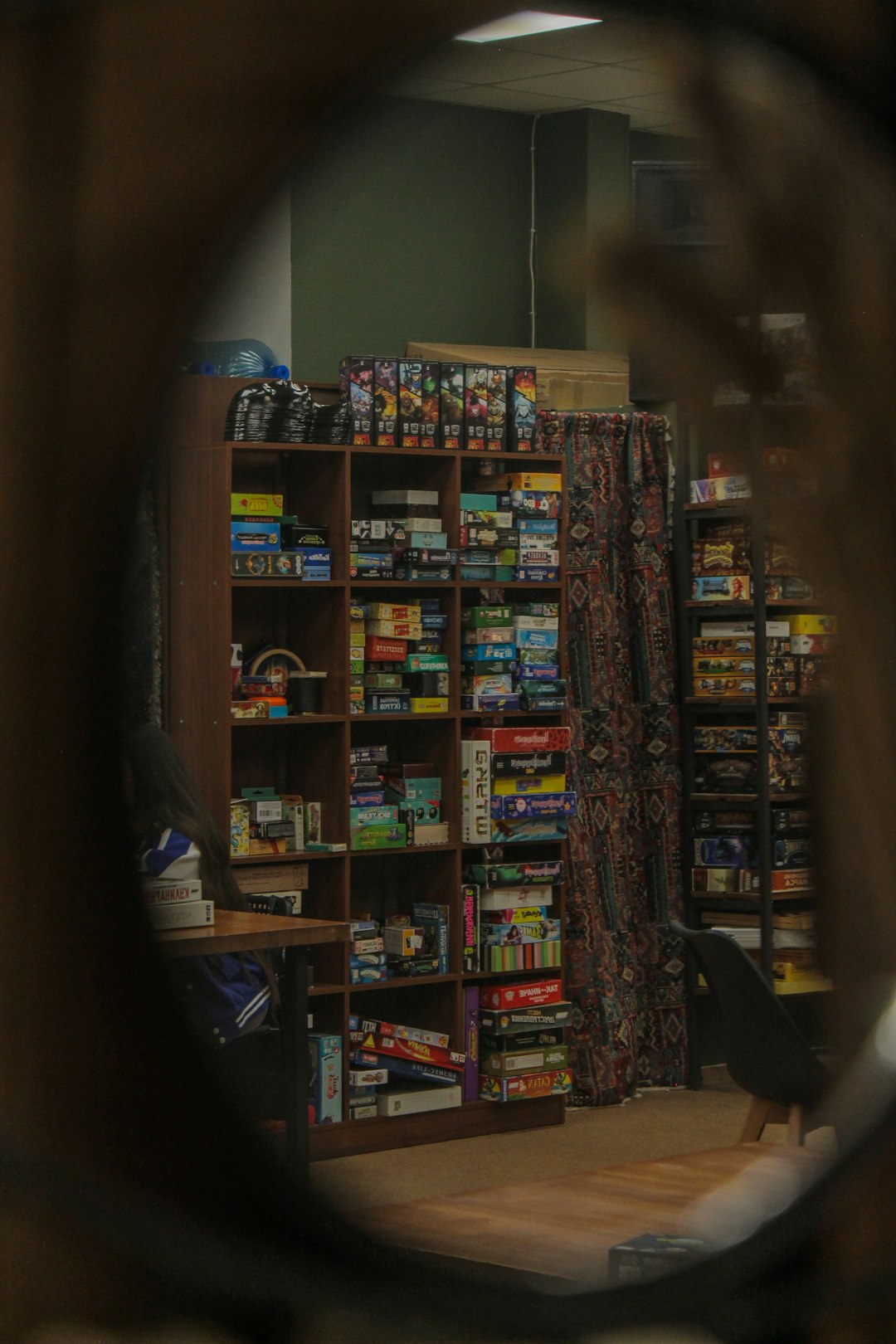
The best board game collection is not the largest one or the most impressive-looking shelf. It is the one where every game has been played many times, where the boxes show wear, and where choosing what to play on a given evening involves genuine enthusiasm rather than guilt about unplayed purchases.
Start small. Buy for the group you have. Let games earn their place on the shelf. And when in doubt, start with Smoothie Wars, Ticket to Ride, and Codenames -- three titles that have earned their place in UK homes many times over.
For guidance on specific game types, browse the Academy section of our blog for in-depth guides on every major genre.