TL;DR
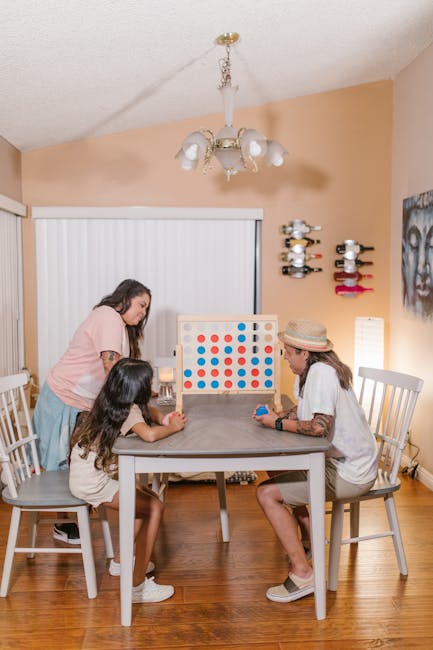
Board games can play a significant role in reducing anxiety in children. They foster social interaction, develop problem-solving skills, and create safe spaces for emotional expression. Backed by research, board games like Smoothie Wars also offer educational benefits while encouraging family bonding. Read on to explore how these games contribute to children's mental well-being.
Why Anxiety in Children Is on the Rise
Childhood anxiety is becoming increasingly prevalent. According to mental health charities in the UK, 1 in 6 children between the ages of 5 and 16 experience some form of mental health issue, with anxiety being one of the most common challenges. The reasons are multifaceted—academic pressure, the rise of social media, and even global concerns like climate change can weigh heavily on young minds.
For parents and guardians, supporting a child through anxiety can feel overwhelming. Therapy and professional help are often necessary, but many are also exploring complementary strategies to help children build resilience and manage stress. One such method? Playing board games.
But what is it about board games that can make such a profound difference in a child’s mental health? Let's break it down.
The Psychology of Play: Why It Matters
Play is not just a way for children to pass the time. It is a crucial part of their development, offering opportunities to learn, connect, and grow. In fact, psychologists have long recognised the therapeutic value of play. Play therapy, for instance, is a well-established approach to help children process emotions and develop coping mechanisms in a non-threatening environment.
Board games, in particular, offer a structured form of play that combines fun with learning. They come with rules, goals, and a sense of accomplishment when completed—all of which are essential for developing a child’s confidence and sense of control. For children grappling with anxiety, this sense of control can be especially comforting.
How Board Games Help Reduce Anxiety in Children
So, how exactly do board games help reduce anxiety in kids? Here are some key ways:
1. Providing a Safe Space for Interaction
Anxiety often stems from social situations, where children might fear judgement or rejection. Board games create a structured social environment, offering clear rules and roles. This structure helps children feel more secure and less worried about “messing up.”
For example, strategy games like Smoothie Wars provide a perfect platform for children to practice teamwork and communication. With 3–8 players, it’s an inclusive game that encourages group participation without overwhelming anyone. Plus, the age-appropriate challenges ensure that children aged 10 and up can engage meaningfully without feeling out of their depth.
2. Encouraging Problem-Solving and Critical Thinking
One of the hallmarks of anxiety is a tendency to overthink or catastrophise. Board games, particularly strategy games, challenge children to focus on solutions rather than problems. They learn to analyse situations, weigh options, and make decisions—skills that are invaluable for managing anxiety in real life.
For instance, in Smoothie Wars, players must juggle supply and demand, set competitive prices, and manage their resources wisely. These business concepts might seem advanced, but they’re presented in a way that’s digestible and engaging for young players. The game subtly teaches children to approach problems methodically, which can help them tackle worries in their daily lives.
3. Building Emotional Resilience Through Wins and Losses
Life is full of ups and downs, and learning to cope with both is a critical part of growing up. Board games simulate this experience by introducing the concepts of winning and losing in a safe, controlled way. Losing a game might be disappointing, but it provides an opportunity to build resilience and learn from setbacks.
In Smoothie Wars, for example, a player might lose because they miscalculated their pricing strategy. While this can be frustrating, it’s also a teachable moment that encourages reflection and growth. Over time, children can learn to see challenges as opportunities for improvement rather than sources of anxiety.
4. Strengthening Family Bonds
Family support is a cornerstone of mental health, and few activities bring families together like a good board game. Sitting around the table, laughing, and strategising creates moments of connection that can help children feel secure and supported.
Games like Smoothie Wars, which cater to up to eight players, are particularly well-suited for family game nights. With its engaging gameplay and educational value, it’s a fantastic way to spend quality time together while reinforcing important life skills.
5. Reducing Screen Time and Promoting Mindfulness
Excessive screen time has been linked to increased anxiety in children. Board games offer a screen-free alternative that encourages face-to-face interaction and mindfulness. When playing a game, children are fully present, focusing on the task at hand rather than worrying about external stressors.
By immersing themselves in the world of a game like Smoothie Wars, children can take a break from their anxieties and enjoy the moment. This mindfulness can have a calming effect, helping them reset and recharge.
Quick Comparison: Board Games vs. Digital Games
| Feature | Board Games | Digital Games |
|---|---|---|
| Social Interaction | Face-to-face, collaborative | Often solitary or online |
| Screen Time | None | High |
| Cognitive Engagement | Active problem-solving and strategy | Varies (can include passive consumption) |
| Physical Activity | Game setup, tactile interaction | Minimal |
| Accessibility | Easy to learn, no tech required | Requires devices and internet |
What the Research Says About Play and Anxiety
The benefits of play have been studied extensively. Research shows that play can reduce cortisol levels, the hormone associated with stress. It also promotes the release of endorphins, our body’s natural “feel-good” chemicals.
Moreover, structured games have been found to improve executive functioning—skills like planning, decision-making, and emotional regulation—all of which are often impaired in children with anxiety. By engaging in board games, children can practice these skills in a low-pressure environment.
One study even found that playing strategy games improved participants’ ability to manage stress and uncertainty in real-world scenarios. Games like Smoothie Wars, which combine fun with real-world business concepts, can be particularly effective in this regard.
FAQ: Board Games and Childhood Anxiety
How do I know if my child has anxiety?
Common signs include excessive worry, trouble concentrating, irritability, and physical symptoms like headaches or stomach aches. If you suspect your child has anxiety, consult a healthcare professional for an accurate diagnosis.
Are board games a replacement for therapy?
Not at all. Board games are a complementary tool to help children develop coping skills and resilience. For severe anxiety, professional intervention is essential.
What types of board games are best for anxious children?
Games that focus on collaboration, strategy, or storytelling can be particularly helpful. Look for age-appropriate options that encourage problem-solving and social interaction, like Smoothie Wars.
Can board games help teenagers with anxiety too?
Absolutely. Many of the benefits of board games—such as improved social skills and stress relief—apply to teenagers as well. Games like Smoothie Wars, which teach real-world skills like resource management and pricing strategy, are especially suitable for older children and teens.
How often should my child play board games to see benefits?
There’s no one-size-fits-all answer, but regular play—once or twice a week—can help establish a routine and maximise the benefits.
Ready to Play Your Way to Better Mental Health?
Board games can be more than just a source of entertainment—they can be a powerful tool for reducing anxiety and building resilience in children. Whether it’s fostering social skills, teaching problem-solving, or simply creating joyful family memories, games like Smoothie Wars offer a unique blend of fun and learning.
Why not make your next family game night a little more meaningful? Explore our range of strategy-driven games designed for all ages at Smoothie Wars.